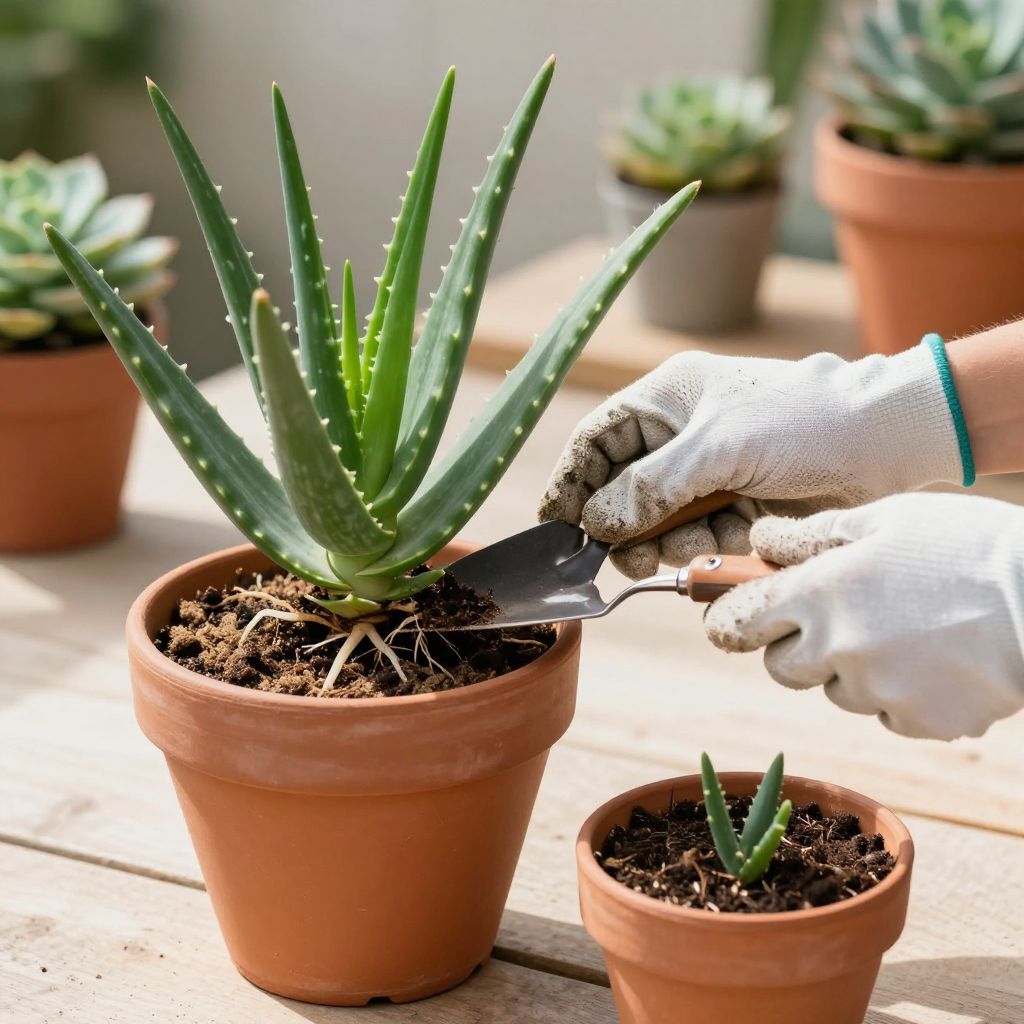
Can you propagate aloe? Yes—most aloe plants are easy to propagate, especially when they produce healthy offsets, often called pups. In many cases, that is the fastest and most reliable method for home gardeners, while seed propagation is slower and less predictable.
The key is to match the method to the plant’s growth habit and give the new plant excellent drainage, bright light, and careful watering. With a little patience, you can turn one mature aloe into several strong plants.
Can you propagate aloe?
Yes, you can propagate aloe most successfully by separating offsets from a mature plant and replanting them in a gritty, fast-draining mix. Some aloe species can also be grown from seed, but pups are quicker, more dependable, and usually the best option for beginners.
How aloe propagation works
Aloe plants are succulents, which means they store water in thick leaves and stems. That helps them survive dry conditions, but it also means they are vulnerable to rot if the roots sit in wet soil.
Most home gardeners propagate aloe from offsets that form around the base of the parent plant. These young plants already have their own root systems or are close to developing them, so they establish faster than cuttings from leaf pieces.
Best propagation methods for aloe
- Offsets/pups: Best and easiest method for most aloe plants.
- Division: Useful when a clump has several rooted rosettes.
- Seed: Possible, but slower and less common for home gardeners.
- Leaf cuttings: Usually not reliable for aloe and often fail.
How to propagate aloe from pups
If your aloe has small plants growing at the base, you can usually separate them once they are large enough to handle. The best pups have a few leaves of their own and, ideally, visible roots.
- Choose a healthy parent plant. Select a mature aloe that is actively growing and free of pests or rot.
- Remove the plant from its pot. Gently tip the container and ease out the root ball so you can see where the pups attach.
- Separate the pup. Use clean hands or a sterile knife to detach it from the mother plant. Try to keep as many roots attached as possible.
- Let the cut surface dry. Place the pup in a shaded, airy spot for a day or two so the wound can callus.
- Pot it up. Plant in a small pot with drainage holes and a dry, well-draining succulent mix.
- Wait before watering. Give the plant a few days to settle, then water lightly only when the mix is dry.
Do you need roots on the pup?
Pups with roots are easiest to grow on, but small offsets without many roots can still survive if you let the cut end callus first and keep the soil barely moist at first. The main risk is rot, so resist the urge to water heavily.
Can you propagate aloe from a leaf?
Aloe leaf cuttings are not a dependable propagation method. Unlike some succulents, aloe leaves usually do not produce new plants well from a single leaf, and they often decay before rooting. If you want a good success rate, use pups instead.
If a leaf breaks off, you can let it dry and use it for a short-term experiment, but do not expect consistent results. For most gardeners, it is better to focus on healthy offsets or seed-grown plants.
How to grow new aloe plants successfully
Newly propagated aloe needs a setup that mimics its natural preference for dry, bright, airy conditions. The wrong potting mix or too much water can undo your work quickly.
Soil and potting mix
Use a cactus or succulent mix that drains quickly. If your mix holds too much moisture, blend in extra pumice, perlite, or coarse sand to improve drainage.
- Choose a pot with a drainage hole.
- Use a small container at first; oversized pots stay wet too long.
- A gritty mix is better than rich garden soil.
Light requirements
Aloe grows best in bright light. Indoors, place it near a sunny window where it gets several hours of indirect to direct light, depending on the strength of your sun and the season.
Outdoors, aloe usually prefers morning sun and some afternoon protection in hot climates. In very intense sun, young plants can scorch, so introduce them gradually to brighter conditions.
Watering new aloe
Water sparingly. Let the potting mix dry out almost completely before watering again, especially during the first few weeks after propagation.
A common mistake is treating aloe like a leafy houseplant. Too much water is the fastest way to lose a new aloe plant.
When is the best time to propagate aloe?
Propagation is easiest during the active growing season, when temperatures are warm and the plant is producing new roots and offsets. In many climates, spring and early summer are ideal, but your local conditions matter more than the calendar.
If you live in a cooler region or keep aloe indoors, you can propagate whenever the plant is growing steadily and light levels are adequate. Avoid dividing or repotting when the plant is stressed by cold, low light, or prolonged drought.
Step-by-step care after propagation
After you pot up a pup, the first few weeks are about root establishment, not rapid top growth. Gentle handling now helps the plant settle in faster.
- Keep it dry at first. Allow the callused pup to sit in dry mix before the first light watering.
- Place in bright light. Avoid harsh midday sun until the plant shows signs of recovery.
- Water only when dry. Check the pot with your finger or lift it to judge weight.
- Watch for firmness. Healthy leaves should stay plump, not mushy.
- Hold off on fertilizer. Wait until the plant is established before feeding lightly, if needed.
Signs your new aloe is settling in
- Leaves stay firm and upright.
- New growth appears at the center.
- The plant resists a gentle tug, which suggests roots are forming.
- No soft, dark, or smelly tissue develops at the base.
Common aloe propagation problems and fixes
Most aloe propagation problems come from excess moisture, poor drainage, or separating pups too early. Fortunately, these issues are usually preventable.
Rot at the base
If the base turns soft or brown, the plant is likely staying too wet. Remove any rotting tissue with a clean blade, let the healthy part dry and callus, and repot in a drier mix.
Pups shrivel after separation
A little shriveling is normal while roots form, but severe wrinkling means the pup is losing moisture faster than it can replace it. Move it to bright but gentler light and water only after the mix dries.
Slow growth
Aloe grows slowly, especially indoors or in lower light. If the plant looks healthy but is not changing much, that may be normal. Focus on drainage, light, and seasonal growth rather than forcing it with frequent watering.
Sun scorch
Bleached or brown patches can appear if a young aloe is moved into strong sun too quickly. Acclimate it gradually over one to two weeks, especially after indoor growing or propagation.
Can you propagate aloe from seed?
Yes, but seed propagation takes longer and is less predictable than using pups. It can be rewarding if you want many plants or are working with a species that rarely produces offsets, but it requires patience and steady warmth.
Seedlings need a fine, well-draining mix, consistent moisture without sogginess, and bright light. Because aloe seedlings are delicate, this method is better for gardeners who enjoy slow, careful growing.
Indoor vs. outdoor aloe propagation
Indoor aloe propagation is often easier to control because you can manage temperature, light, and rainfall. The main challenge is usually insufficient light, which can lead to weak, stretched growth.
Outdoor propagation works well in warm, dry climates, but you need to protect young plants from heavy rain, cold snaps, and intense afternoon sun. In humid regions, drainage becomes even more important.
Outdoor planting tips
- Plant in raised beds or containers if your soil stays wet.
- Choose a sheltered spot with excellent airflow.
- Keep aloe away from irrigation that wets the crown repeatedly.
Practical mistakes to avoid
- Using dense garden soil that holds too much water.
- Watering immediately after division without letting cuts dry.
- Planting pups in oversized pots.
- Giving young plants full hot sun too soon.
- Separating tiny offsets before they are ready.
These mistakes are common, but they are easy to avoid once you understand that aloe prefers dryness, airflow, and patience.
Conclusion
Can you propagate aloe? Absolutely. For most gardeners, the best approach is to separate healthy pups, let them callus, and replant them in a small pot with a fast-draining mix. Keep watering light, give bright light, and let the plant root at its own pace.
If you want to keep learning about succulent care, look for more guidance on how to water succulents correctly and choosing the best soil for container plants.