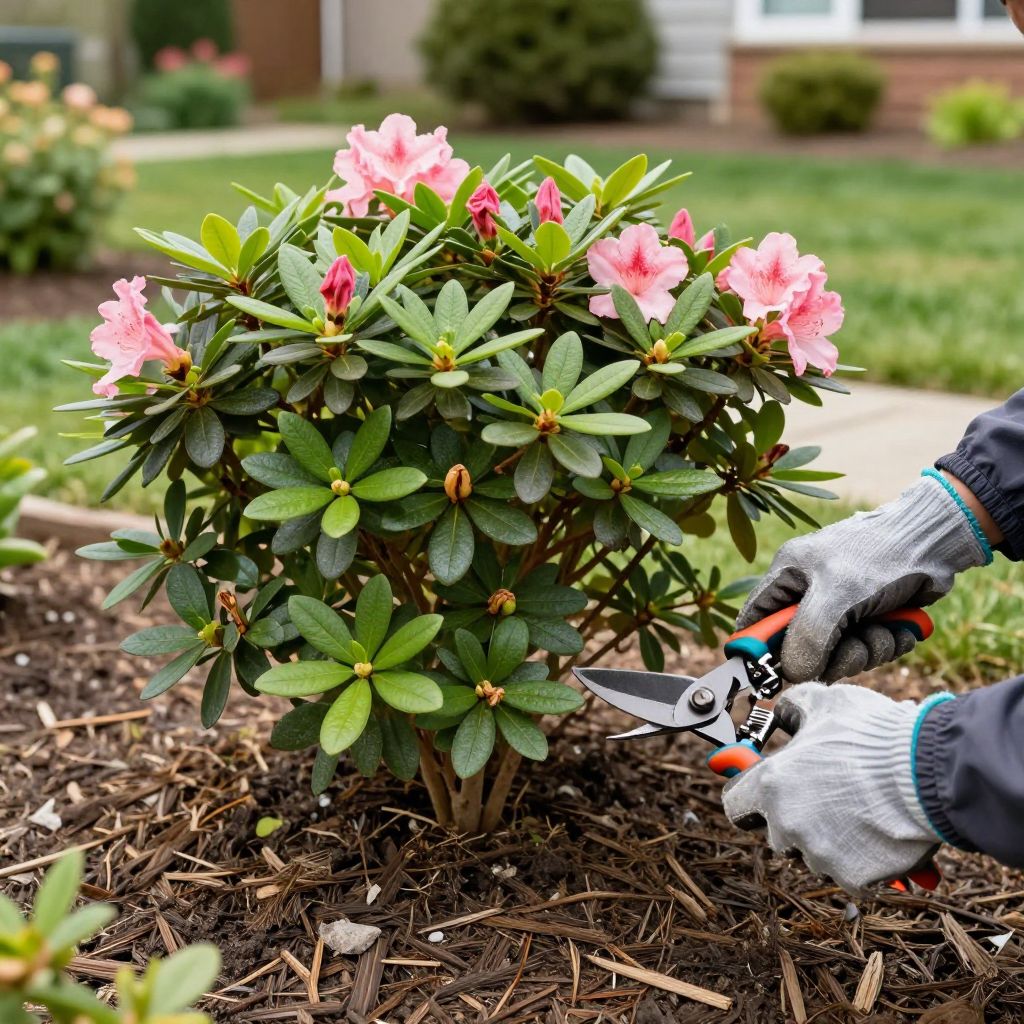
When do you cut back azalea bushes? The short answer is: right after they finish flowering, or as soon as possible after bloom in spring. That timing protects next year’s flower buds, which azaleas usually set soon after the current season’s blooms fade.
If you prune too late in summer, fall, or winter, you may remove the buds that would have opened next spring. A light shaping at the right time is usually all these shrubs need, while hard pruning should be reserved for overgrown plants that need renovation.
When do you cut back azalea bushes?
Prune azaleas immediately after bloom, typically in late spring or early summer, depending on your climate and variety. The safest window is within a few weeks of flowering, before the plant begins setting next year’s buds. Avoid major pruning in late summer, fall, or winter unless you are removing dead, damaged, or diseased wood.
Why timing matters for azalea pruning
Azaleas bloom on wood that formed the previous season, so the next round of flower buds develops soon after flowering ends. If you cut back too late, you can remove those buds and reduce or eliminate next spring’s display.
This is why azaleas are treated differently from shrubs that bloom on new growth. The plant may still survive a late prune, but you could sacrifice flowers for a full year.
Best time by season
- Spring: Best time to prune after the flowers fade.
- Early summer: Still acceptable for light shaping if you missed spring.
- Late summer: Usually too late for anything more than removing broken or diseased branches.
- Fall and winter: Avoid routine pruning because you may remove flower buds and expose tender growth to stress.
How much should you cut back?
For most healthy azaleas, keep pruning light. Remove spent flowers, thin crowded stems, and shorten a few long shoots to shape the shrub. A gentle trim is usually better than a hard cut, especially on established plants.
If the shrub is overgrown, you can reduce it more heavily, but do it gradually over time if possible. Severe pruning can be done on many azaleas, yet the plant may need a season or two to recover and bloom well again.
Good reasons to prune azaleas
- To remove dead, damaged, or diseased branches
- To improve shape and balance
- To reduce size after flowering
- To open the center for better air movement
- To renew an old, leggy shrub
Step-by-step: how to cut back azalea bushes
- Wait until flowering is finished. Do not prune while the shrub is in full bloom unless you are only removing broken growth.
- Inspect the plant. Look for dead wood, crossing branches, weak shoots, and stems that spoil the shape.
- Remove dead or diseased stems first. Cut back to healthy wood or to the base of the branch.
- Snip spent flower clusters. This tidies the plant and can help redirect energy into growth.
- Shorten overly long shoots. Make cuts just above a healthy leaf or side branch.
- Thin crowded areas. Remove a few stems from the interior to improve light and airflow.
- Step back often. Check the shape from different angles so you do not overcut one side.
Use clean, sharp bypass pruners for small stems and loppers for thicker branches. If you are cutting diseased wood, disinfect tools between cuts or between plants to reduce spread.
Can you cut azaleas back hard?
Yes, but only when needed. A severely overgrown azalea can often be renewed by cutting it back, but that is a recovery project rather than routine maintenance. Expect fewer blooms the following season, and sometimes for more than one season if the shrub is old or stressed.
If you need to reduce an azalea drastically, many gardeners prefer a staged approach: cut part of the shrub back one year, then finish the rest the next year. This keeps some foliage on the plant and reduces shock.
When hard pruning makes sense
- The shrub has become too large for its space
- It has many bare, woody stems with poor flowering
- Storm damage has left the plant misshapen
- You are renovating an older landscape planting
What not to do when pruning azaleas
- Do not shear them like a hedge unless the plant is specifically maintained that way. Shearing can create a dense outer shell and sparse interior growth.
- Do not prune in late summer or fall if you want flowers next year.
- Do not remove too much at once from a stressed plant, especially during drought or heat.
- Do not leave stubs that can die back and invite disease.
- Do not use dull tools that crush stems instead of making clean cuts.
Growing conditions that help azaleas recover after pruning
Healthy azaleas bounce back better from pruning than stressed ones. They prefer acidic, well-drained soil with steady moisture and partial shade in many climates. Good growing conditions support new growth after you cut back the shrub.
Soil and drainage
Azaleas dislike soggy roots. Plant them in loose, organic soil that drains well but still holds some moisture. If your soil is heavy clay, improve drainage with organic matter and plant slightly high rather than in a low, wet pocket.
Sunlight
Most azaleas do best with morning sun and afternoon shade, or dappled light under high trees. Too much hot sun can scorch leaves, while too much shade can reduce flowering and make the shrub open and leggy.
Watering after pruning
After you cut back azalea bushes, keep the soil evenly moist while new growth is forming. Water deeply when the top layer of soil begins to dry, but avoid constant saturation. Mulch can help conserve moisture and moderate soil temperature.
Feeding and mulching after pruning
If your azalea is healthy and planted in suitable soil, a light mulch of pine bark, pine needles, or leaf mold can help. Keep mulch a few inches away from the stems so the base does not stay wet.
Fertilizer is not always necessary after pruning. In many gardens, overfeeding azaleas leads to weak, leafy growth rather than better flowers. If you do feed, use a product suited to acid-loving shrubs and follow the label carefully for timing and rates.
Common problems to watch for
Few or no blooms after pruning
This usually means the shrub was cut too late in the season, or too much old flowering wood was removed. The plant may still recover, but flowering can be reduced until new buds mature.
Bare stems at the base
Older azaleas can become leggy if they are never pruned. Light annual pruning after bloom helps encourage branching closer to the base and keeps the plant fuller.
Yellow leaves or weak growth
These symptoms often point to poor drainage, alkaline soil, root stress, or inconsistent watering rather than pruning itself. Fix the growing conditions first, because pruning alone will not solve the problem.
Dieback on cut stems
Dieback often follows rough cuts, drought stress, or disease. Trim back to healthy wood, keep tools clean, and avoid pruning during extreme heat or cold.
How to keep azaleas looking good year after year
The easiest maintenance plan is simple: prune lightly right after bloom, remove dead wood when you see it, and avoid major cuts at the wrong time. That routine preserves flowers and keeps the shrub compact without stressing it.
- Deadhead or trim spent blooms after flowering
- Shape lightly once a year, if needed
- Refresh mulch as it breaks down
- Water during dry spells, especially for newly planted shrubs
- Watch for pests and disease, especially on stressed plants
If you are unsure whether your azalea blooms on old wood, the safest rule is still the same: prune right after flowering and keep cuts modest. That approach works well for most garden azaleas and helps protect next season’s display. For more shrub care tips, see related guidance on azalea care and maintenance and how to prune flowering shrubs.