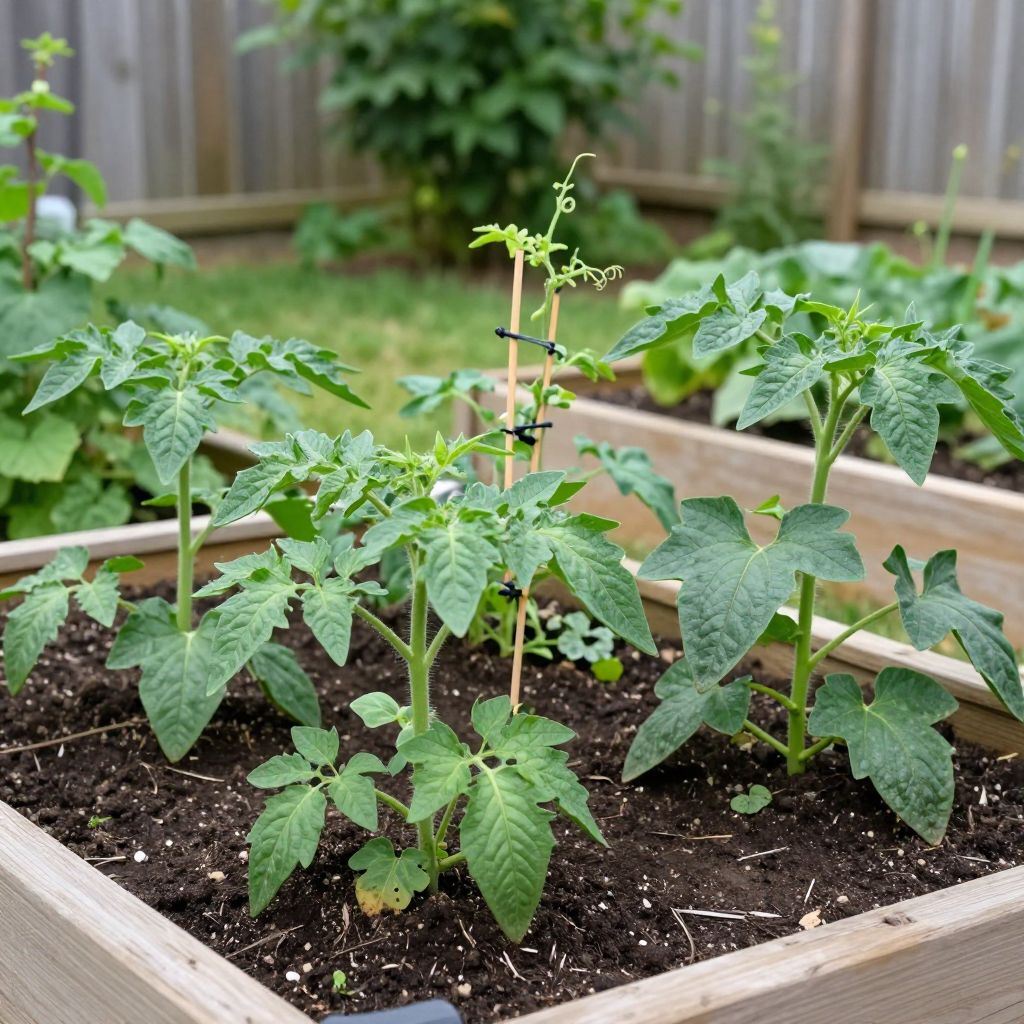
Can you plant tomatoes and cucumbers together? Yes, you can grow them in the same garden bed or large container, but they do best when you give each crop enough space, sunlight, water, and support. The main challenge is that both are vigorous, thirsty plants that can compete if they are crowded.
With a little planning, tomatoes and cucumbers can be good garden neighbors. The key is to manage airflow, trellising, soil fertility, and watering so one crop does not shade, smother, or stress the other.
Can you plant tomatoes and cucumbers together?
Yes, tomatoes and cucumbers can be planted together if you space them well, keep them trained vertically, and monitor moisture and disease. They share similar warmth and sun needs, but cucumbers usually need more water and can sprawl aggressively, while tomatoes need excellent airflow to reduce fungal problems.
Why tomatoes and cucumbers can work in the same garden
Tomatoes (Solanum lycopersicum) and cucumbers (Cucumis sativus) both prefer full sun, warm weather, and fertile, well-drained soil. That makes them compatible in many home gardens, especially when you use stakes, cages, or trellises to keep foliage off the ground.
They are not perfect companions in every layout, but they can share a bed successfully when you treat them as high-maintenance, high-growth vegetables. The biggest benefits are efficient use of space and similar seasonal timing in many climates.
Where they help each other
- Efficient use of vertical space: both crops can be trained upward.
- Similar sun requirements: both perform best in full sun.
- Shared soil preferences: rich, loose, well-drained soil helps both crops.
Where problems can start
- Competition for water: cucumbers prefer consistently moist soil, while tomatoes dislike wet foliage and soggy roots.
- Reduced airflow: dense vines and tomato foliage can create humid pockets.
- Shared pests and diseases: aphids, spider mites, and fungal disease can spread more easily in crowded plantings.
How to plant tomatoes and cucumbers together successfully
The best way to grow tomatoes and cucumbers together is to separate them slightly within the same bed and train both vertically. That gives each plant room to breathe while still letting you use one growing area efficiently.
- Choose a sunny site. Aim for at least 6 to 8 hours of direct sun daily.
- Prepare fertile soil. Work in compost or well-rotted organic matter to improve structure and moisture retention.
- Install supports before planting. Use tomato cages, stakes, trellises, or sturdy netting so roots are not disturbed later.
- Space plants generously. Leave enough room for each crop’s mature spread and airflow.
- Mulch after planting. A 2 to 3 inch layer helps hold moisture and reduce soil splashing.
Good spacing guidelines
Exact spacing depends on variety and support system, but a practical approach is to keep tomatoes and cucumbers from tangling into each other. In a bed, place tomatoes at least 18 to 24 inches apart and cucumbers about 12 to 18 inches apart on a trellis, with a buffer between the two crops if possible.
If you are growing indeterminate tomatoes, give them even more room because they keep climbing and branching. Bush cucumbers may need less vertical space than vining types, but they still benefit from support.
Best growing conditions for both crops
Tomatoes and cucumbers share some basic needs, but tomatoes are usually a little more forgiving of short dry periods than cucumbers. If you want both to thrive, focus on soil health and consistent care rather than trying to treat them exactly the same.
Sunlight
Both crops need full sun. In very hot climates, afternoon shade can help reduce stress, especially for cucumbers, but too much shade will lower productivity for both.
Soil
Use loose, fertile soil that drains well but still holds some moisture. A slightly acidic to neutral pH is generally suitable for tomatoes, and cucumbers also do well in similar garden soil conditions.
Water
Water deeply at the base of the plants rather than overhead. This is especially important for tomatoes, which are prone to leaf diseases when foliage stays wet, and for cucumbers, which can develop bitter fruit or stress if moisture swings are severe.
Consistency matters more than volume alone. In hot, windy weather, container plantings and sandy soils dry out much faster than raised beds or heavier garden soils.
Should you grow them in the same bed or separate containers?
You can do either, but the best choice depends on your space and how much control you want over watering. In-ground beds are easier for larger plantings, while containers work well if you keep them large enough and monitor moisture closely.
Same bed
This is a good option if you have enough room to separate the crops and use trellises. It works best in a bed with rich soil and good drainage.
Separate containers
Containers can reduce root competition, but they dry out quickly. If you grow both crops in pots, choose large containers and expect to water more often during warm weather.
Raised beds
Raised beds often give the best balance of drainage and root space. They also make it easier to keep tomatoes upright and cucumbers trained away from each other.
Training and pruning tips
Vertical training is one of the smartest ways to grow tomatoes and cucumbers together. It improves airflow, saves space, and makes harvesting easier.
Tomatoes
- Use a stake or cage early so stems do not flop onto cucumbers.
- Prune lightly if needed to improve airflow, especially lower leaves touching the soil.
- Remove damaged or diseased foliage promptly.
Cucumbers
- Train vines onto a trellis or netting as soon as they begin to climb.
- Guide stray vines away from tomato stems.
- Harvest regularly so fruits do not become oversized and weigh down the vine.
Do not over-prune either crop. Removing too much foliage can expose fruit to sunscald and stress the plant. The goal is openness, not bare stems.
Watering and feeding without creating problems
Because tomatoes and cucumbers have slightly different moisture preferences, the best compromise is deep, even watering at the root zone. A drip system or soaker hose works especially well because it keeps leaves dry and reduces disease pressure.
Watering mistakes to avoid
- Letting the soil dry out completely, then soaking it heavily.
- Watering overhead in the evening, which can leave leaves damp overnight.
- Overcrowding plants so the soil stays humid and stagnant.
For feeding, use compost as the foundation and avoid overdoing nitrogen. Too much nitrogen can produce lush leaves with fewer tomatoes and cucumbers. A balanced, garden-appropriate fertilizer may help if your soil is poor, but follow local soil test guidance when possible.
Common pests and diseases when growing them together
When tomatoes and cucumbers share space, disease prevention becomes more important because both can be affected by fungal issues in humid, crowded conditions. Good spacing and clean watering habits do most of the work.
Common pests
- Aphids: cluster on tender growth and can distort leaves.
- Spider mites: thrive in hot, dry conditions and cause stippled leaves.
- Cucumber beetles: can damage cucumbers and spread disease.
- Whiteflies: may appear in warm, sheltered plantings.
Common diseases
- Powdery mildew: often appears on cucumbers and can spread in crowded, humid plantings.
- Blight and leaf spots: can affect tomatoes, especially when foliage stays wet.
- Root problems: soggy soil can weaken both crops.
To reduce disease risk, remove lower leaves that touch the soil, mulch to prevent splashback, and keep vines and tomato canopies from overlapping too tightly. If one plant becomes diseased, act quickly so the problem does not spread across the bed.
Best companion planting setup for small gardens
If space is tight, think of tomatoes and cucumbers as a shared system rather than two plants placed side by side at random. The best arrangement usually puts tomatoes on one edge, cucumbers on a separate trellis, and a clear path or open gap between them.
Simple small-space layout
- Place tomatoes on the north side of the bed if possible, so they do not shade cucumbers.
- Set cucumbers on their own trellis on the sunnier side.
- Leave enough room to reach both crops for pruning, watering, and harvest.
This layout helps prevent cucumber vines from climbing into tomato cages and makes it easier to spot pests or disease early.
When not to plant tomatoes and cucumbers together
There are times when separate planting is the better choice. If your garden is already crowded, if you struggle with fungal disease, or if you can only water unevenly, growing them apart may give you better results.
You may want to separate them if:
- Your climate is very humid and disease pressure is high.
- You have limited airflow in a small enclosed garden.
- You cannot provide sturdy supports for both crops.
- You are growing in shallow containers that dry out too quickly.
In those situations, each crop can still do well, but they will be easier to manage in separate spaces.
Harvesting and ongoing care
Harvest cucumbers often to keep the vines producing and to prevent oversized fruit from draining the plant’s energy. Pick tomatoes as they ripen according to the variety, and handle plants carefully so you do not break stems or disturb roots.
Keep checking the bed every few days for new vine growth, yellowing leaves, pests, and fruit hiding under foliage. Regular attention is one of the easiest ways to keep mixed plantings healthy.
Conclusion
So, can you plant tomatoes and cucumbers together? Yes, and they can make a productive pairing if you give them enough room, strong supports, and careful watering. Keep the plants vertical, maintain airflow, and watch for disease, and you can grow both successfully in the same garden space.
If you want to plan the rest of your vegetable bed, it can help to read more about how to space vegetable plants for better airflow and the best trellising methods for vining crops.