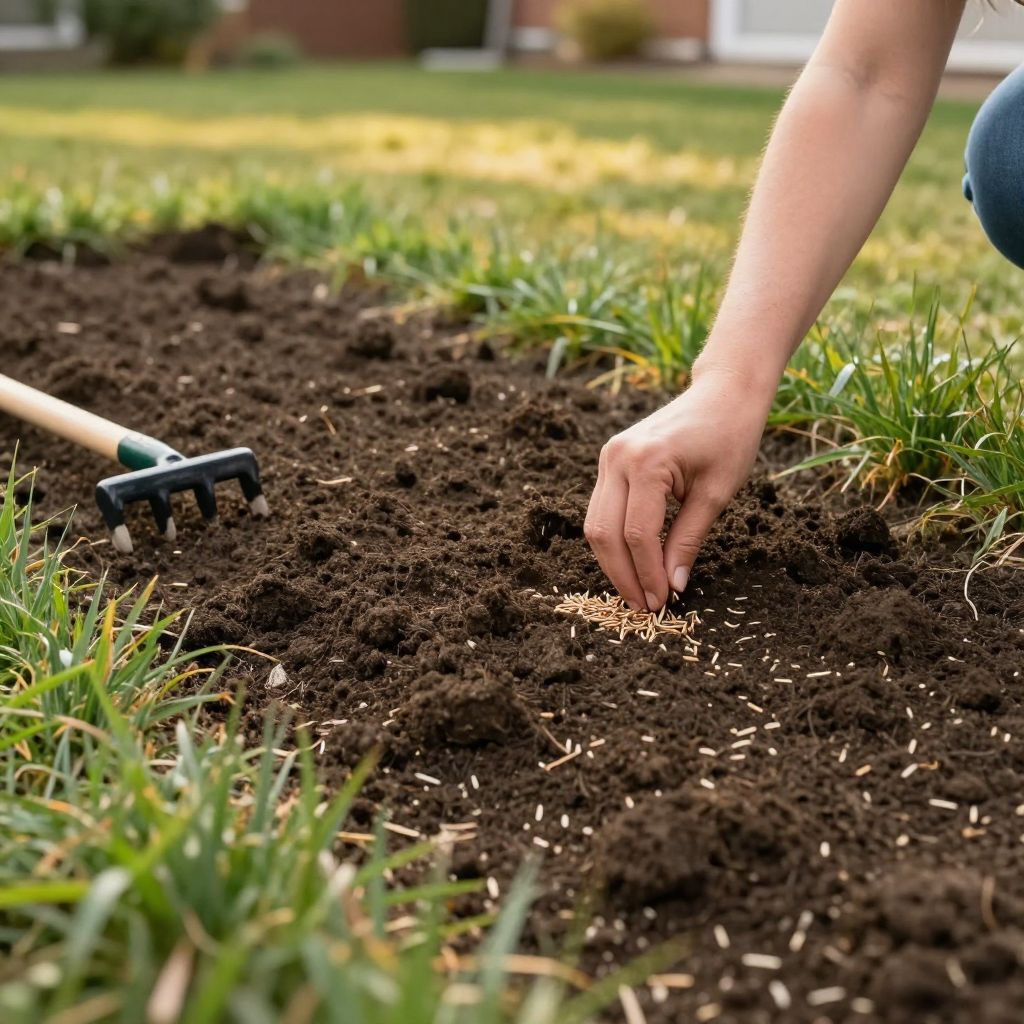
Wondering when to plant grass so it actually takes root and fills in evenly? Timing matters more than many gardeners realize, because grass seed, sod, and plugs all establish best when soil temperature, moisture, and daylight are working in your favor.
The good news is that you can choose a planting window that gives your lawn a strong start instead of fighting heat, cold, or drought. The best timing depends on whether you’re planting cool-season or warm-season grass, and on your local climate.
When to plant grass?
The best time to plant grass is usually during mild weather, when soil is warm enough for germination but not so hot that young roots dry out. For cool-season grasses, early fall is often ideal; for warm-season grasses, late spring to early summer usually works best. Local climate and rainfall still matter.
Choose the right planting season for your grass type
Cool-season grasses
Cool-season grasses, such as Kentucky bluegrass, perennial ryegrass, tall fescue, and fine fescues, grow most actively in cooler temperatures. In many regions, the best time to plant them is late summer to early fall, when soil is still warm and air temperatures are easing.
This timing gives seedlings several weeks to establish before winter stress arrives. It also usually means fewer weed problems than spring planting, because many summer annual weeds are already declining.
Warm-season grasses
Warm-season grasses, such as bermudagrass, zoysiagrass, centipedegrass, and St. Augustinegrass, prefer heat and grow fastest when temperatures are consistently warm. Plant them in late spring through early summer, after the soil has warmed and frost is no longer a concern.
If you plant too early, cold soil can slow germination and weaken young grass. If you plant too late, seedlings may not have enough time to establish before cooler weather slows growth.
Why timing matters so much
Grass seed needs the right combination of moisture, oxygen, and temperature to sprout. Once it germinates, the new roots are shallow and vulnerable, so the plant needs steady moisture and moderate temperatures to survive.
Planting at the wrong time can lead to patchy germination, disease, weed competition, or seedling loss. In other words, good timing reduces the amount of rescue work you have to do later.
What soil temperature means for you
Air temperature is helpful, but soil temperature is often a better guide. Grass seed germinates according to the temperature in the top layer of soil, where the seed sits.
- Cool-season grasses generally germinate best in cooler soil, often in the range of about 50–65°F.
- Warm-season grasses usually prefer warmer soil, often around 65–70°F or higher.
If you do not have a soil thermometer, use the season as a practical guide and pay attention to local weather trends. A stretch of stable conditions matters more than a single warm day.
Best planting windows by method
Planting grass seed
Seed is the most flexible option, but it still depends on timing. Seeded lawns establish best when temperatures are favorable for several weeks in a row and when you can keep the surface evenly moist during germination.
For many gardeners, fall seeding gives cool-season lawns the strongest start. Warm-season seed is usually best sown after frost risk has passed and the soil has warmed reliably.
Planting sod
Sod can be installed outside the ideal seeding window because it already has roots and leaf growth. Even so, mild weather is still easier on the lawn and on you, because sod needs frequent watering while it knits into the soil.
Try to avoid installing sod during extreme heat, drought, or frozen ground. Mild spring or early fall conditions are often easiest for new sod to establish.
Using plugs or sprigs
Plugs and sprigs are common for some warm-season grasses. They need warm weather and a longer establishment period than sod, so early to mid-summer planting is often best where that grass type is suitable.
Because plugs spread gradually, they work best when you can keep weeds under control and maintain consistent moisture during the first few months.
How to prepare the site before planting
Good timing helps, but preparation is what turns that timing into success. A well-prepared seedbed or sod base improves contact between roots and soil and helps water move where it is needed.
- Clear the area of rocks, sticks, and debris.
- Remove or suppress weeds before planting so they do not compete with young grass.
- Loosen the topsoil if the ground is compacted.
- Level low spots so water does not puddle.
- Test drainage by watering a small area and watching how quickly it absorbs.
- Improve poor soil with compost if the soil is thin, sandy, or low in organic matter.
A thin layer of compost worked into the top few inches can improve moisture retention and soil structure. Avoid burying seed too deeply; grass seed generally needs close contact with soil, not deep planting.
Soil, sunlight, and drainage requirements
Sunlight
Most lawn grasses prefer full sun, but some tolerate partial shade better than others. If your site gets less than 4 to 6 hours of direct sun, choose a grass suited to shade or accept that the lawn may grow more slowly and thin out over time.
Heavy shade from trees or buildings often causes weak turf regardless of planting time. In those spots, pruning tree limbs, thinning dense canopies, or using a shade-tolerant groundcover may be more realistic than forcing a full lawn.
Drainage
Grass does not like long periods of standing water. Poor drainage can delay germination, encourage disease, and make roots shallow and weak.
If water lingers after rain, consider grading the area, adding organic matter, or choosing a grass better suited to your conditions. For severe drainage problems, planting time alone will not fix the issue.
Soil pH and fertility
A soil test is the best way to know whether your lawn needs lime, sulfur, or nutrients. Grass generally performs best in soil that is not extremely acidic or alkaline, but the exact target depends on your soil and grass type.
Use fertilizer only when the grass type and season support active growth. Feeding at the wrong time can push weak top growth or increase stress.
How to plant grass successfully
For grass seed
- Rake the soil surface smooth and remove clumps.
- Spread seed evenly using a hand spreader or broadcast spreader.
- Lightly rake so the seed is tucked into the top layer of soil.
- Press the seed in with a roller or by walking gently over the area.
- Water lightly and consistently to keep the seedbed moist.
Do not bury seed too deep. Most grass seed germinates best when it is covered very lightly or simply pressed into the soil surface.
For sod
- Prepare a smooth, firm soil base.
- Lay sod pieces tightly together in staggered rows.
- Press edges firmly so they do not dry out.
- Water immediately after installation.
- Keep foot traffic low until roots anchor into the soil.
Sod should never dry out during the first few days. The edges are especially vulnerable, so check them often in warm or windy weather.
Watering after planting
New grass needs moisture to establish, but too much water can wash seed away or encourage disease. The goal is to keep the top layer of soil consistently damp, not soggy.
- Seeded areas usually need light, frequent watering until germination.
- Sod needs thorough watering right after installation, then regular moisture while roots grow in.
- Plugs need careful watering around each planting hole until they spread.
As the grass matures, water less often but more deeply so roots grow downward. Adjust for rainfall, soil type, wind, and heat. Sandy soil dries faster than clay, and hot, breezy weather increases evaporation.
Common mistakes to avoid
- Planting too early in cold soil, which slows germination.
- Planting too late in the season, leaving seedlings exposed to stress.
- Failing to control weeds before planting.
- Letting the seedbed dry out during germination.
- Overwatering and creating muddy, oxygen-poor conditions.
- Using the wrong grass type for your climate or shade level.
- Skipping soil preparation and expecting seed to succeed in compacted ground.
Troubleshooting poor germination or thin growth
Seed is not sprouting
If seed is slow to germinate, check whether the soil is too cold, too dry, or too wet. Also consider whether the seed is old, buried too deeply, or eaten by birds.
Lightly rake the surface, improve moisture consistency, and give it enough time for the grass type you planted. Some grasses germinate quickly, while others take longer.
Seedlings are patchy
Patchy growth often comes from uneven watering, poor seed distribution, or compacted soil. Overseed thin spots once conditions are right, and keep the surface evenly moist while the new seed establishes.
Young grass turns brown
Brown seedlings can signal drought stress, heat stress, disease, or foot traffic. Check soil moisture first, then look for signs of fungal issues or damage from pets, pets, or mowing too soon.
When to mow new grass
Wait to mow until the grass is tall enough to handle it without being pulled from the soil. A useful rule is to let it reach about one-third higher than your intended mowing height before the first cut.
Use a sharp blade and avoid removing more than one-third of the leaf height at a time. Cutting too short can stress young grass and slow root development.
Final tips for better lawn establishment
If you remember only one thing, let it be this: plant grass when temperatures favor root growth, not just top growth. That usually means early fall for cool-season grasses and late spring to early summer for warm-season grasses.
Before you plant, match the grass type to your climate, prepare the soil well, and plan to water carefully during establishment. For more lawn basics, you may also want to read related guides on how to prepare soil for a new lawn and how to care for newly planted grass seed.