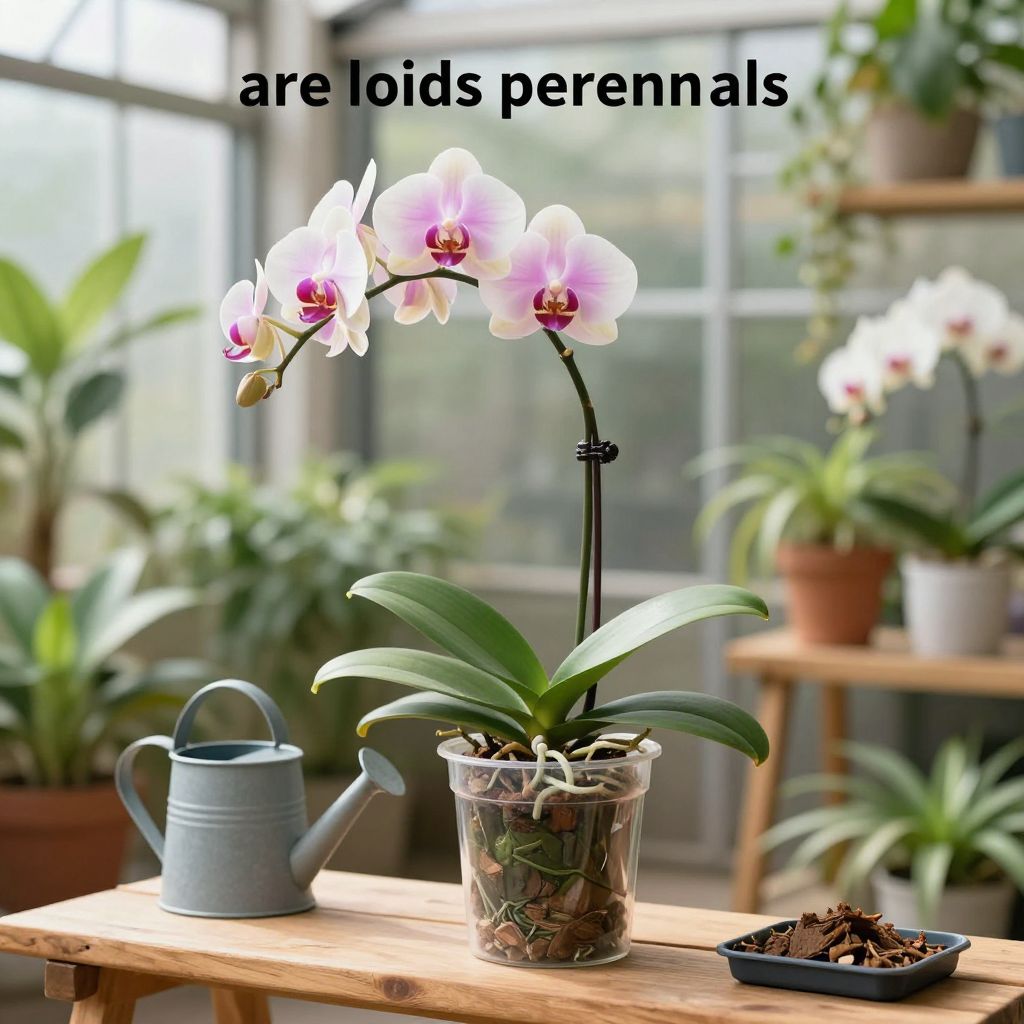
Are orchids perennials? Yes—most orchids are perennial plants, which means they can live for many years and bloom repeatedly when grown well. Unlike annuals, they do not complete their life cycle in one season.
The catch is that orchid longevity depends on the type of orchid and the care it receives. Many popular houseplant orchids, such as Phalaenopsis, can thrive for years indoors if you provide the right light, watering, and potting mix.
Are orchids perennials?
Yes. Orchids are perennial flowering plants, and many species can live and rebloom for decades in the right conditions. They are not usually grown as short-lived seasonal plants. Instead, they need steady care, proper drainage, and a potting mix suited to their roots rather than ordinary garden soil.
What makes orchids different from other perennials?
Orchids are perennials, but they are not typical garden perennials like daylilies or hostas. Most orchids are epiphytes, meaning they grow on trees or rocks in nature and use their roots to absorb moisture and air.
Why that matters for care
- They need airflow around the roots.
- They dislike soggy soil.
- They usually grow best in a loose orchid mix, not standard potting soil.
- They often bloom in cycles, then rest before producing new flowers.
This growth habit is the main reason orchids can seem fussy. Once you understand that their roots need oxygen as much as water, orchid care becomes much easier.
Which orchids are most commonly grown as perennials?
Many orchid genera are perennial, but a few are especially common in home gardens and indoor collections. The exact needs vary by species, but the basic perennial nature is the same.
Popular perennial orchids for home growers
- Phalaenopsis (moth orchid) — one of the easiest indoor orchids.
- Cattleya — known for showy, fragrant blooms.
- Dendrobium — a large group with varied growth habits.
- Oncidium — often called dancing lady orchids.
- Cymbidium — often grown outdoors in mild climates or in protected spaces.
Some orchids are evergreen, while others naturally go through a resting period. That does not mean the plant is dying; it is simply following its normal perennial cycle.
How long do orchids live?
With good care, many orchids live for many years, and some can be passed down as long-lived houseplants. A healthy orchid may bloom annually or more than once a year depending on the species and growing conditions.
The flowers themselves do not last forever, but the plant can keep producing new growth and future flower spikes. If an orchid stops blooming, it does not mean it is finished. It often needs better light, a fresh potting mix, or a more consistent watering routine.
Indoor orchid care for long-term growth
Indoor orchids are perennial plants, but they need conditions that mimic their natural habitat. Focus on light, water, humidity, and a breathable potting mix.
Light
Most common orchids prefer bright, indirect light. A windowsill with filtered sun is often ideal, though the exact exposure depends on the orchid type.
- Too little light often leads to lush leaves but few flowers.
- Too much direct sun can scorch leaves.
- Leaf color can help guide you: medium green is often a good sign for many orchids.
Watering
Water when the potting mix is nearly dry, not on a fixed calendar. The best timing depends on pot size, mix, temperature, humidity, and season.
- Water thoroughly, then let excess drain away completely.
- Never leave the pot sitting in water.
- Try to keep water out of the crown of the plant, especially for Phalaenopsis.
If you are unsure, it is usually safer to underwater slightly than to keep orchids constantly wet. Root rot is one of the most common reasons orchids decline.
Potting mix and containers
Use a well-draining orchid mix made from bark, sphagnum moss, perlite, charcoal, or similar materials. The goal is to hold some moisture while allowing air to reach the roots.
- Choose pots with drainage holes.
- Clear pots can help you monitor root condition.
- Repot when the mix breaks down, usually every 1 to 3 years depending on the material and plant growth.
Humidity and airflow
Most orchids appreciate moderate humidity and gentle air movement. A room that is too dry can cause shriveled roots and flower buds that dry up before opening.
If your home is dry, you can group plants together, use a humidity tray, or run a humidifier nearby. Just make sure the roots are not sitting in stagnant moisture.
Can orchids grow outdoors?
Some orchids can grow outdoors in mild climates, but many are best kept indoors or in a greenhouse. Outdoor success depends on your local temperatures, humidity, rainfall, and the specific orchid species.
Outdoor growing basics
- Protect orchids from frost and prolonged cold unless the species is cold-tolerant.
- Provide bright shade rather than harsh midday sun.
- Keep them sheltered from heavy rain if drainage is poor.
- Move potted orchids where they get good airflow but are not exposed to strong wind.
If you garden outdoors, treat orchids as perennial container plants unless you know your species is hardy in your climate. In the ground, most orchids will fail if the soil stays too wet or cold.
How to encourage orchids to rebloom
Because orchids are perennials, reblooming is one of the most rewarding parts of growing them. The exact trigger varies by species, but the plant usually needs a combination of maturity, adequate light, and stable care.
Steps that help
- Give the plant bright, indirect light.
- Keep watering consistent, but avoid soggy media.
- Feed lightly during active growth with an orchid fertilizer if appropriate for your setup.
- Repot if the mix has broken down or roots are crowded and unhealthy.
- Watch for temperature cues, especially for orchids that need cooler nights to initiate flower spikes.
Do not expect every orchid to bloom on the same schedule. Some flower once a year, while others may bloom more than once if conditions are favorable.
Pruning and after-bloom care
After flowering, your orchid may need only minor pruning. The right approach depends on the species and the condition of the flower spike.
What to do after blooms fade
- Remove spent flowers.
- Trim dead or brown flower spikes if the orchid type calls for it.
- Leave green spikes alone if the species may rebloom from them.
- Inspect roots and leaves for signs of stress or disease.
Use clean, sharp scissors or pruners to reduce the risk of spreading disease. If you are unsure how your orchid type blooms, it is safer to leave healthy green tissue in place until you can identify the plant more confidently.
Common orchid problems and how to fix them
Most orchid problems come from watering mistakes, poor light, or stale potting mix. Catching issues early makes a big difference in whether the plant continues as a healthy perennial.
Yellow leaves
Older lower leaves may yellow naturally, but widespread yellowing can mean too much water, too much sun, or root problems.
Wrinkled leaves
This often points to dehydration, damaged roots, or a mix that dries too quickly. Check the roots before increasing water.
Root rot
Soft, brown, mushy roots usually mean the plant has stayed too wet. Remove damaged roots, repot into fresh orchid mix, and adjust watering habits.
Bud blast
When buds dry up and drop before opening, the cause is often sudden temperature change, low humidity, drafts, or inconsistent watering.
Pests
Common orchid pests include mealybugs, scale, spider mites, and aphids. Inspect leaf joints, undersides of leaves, and flower spikes regularly.
- Isolate infested plants quickly.
- Remove pests by hand when possible.
- Use a gentle, orchid-safe treatment if needed, following the product label.
How to repot orchids without setting them back
Repotting helps orchids stay perennial by refreshing the root environment. It is best done when new roots begin to grow or when the potting mix has broken down and no longer drains well.
Repotting checklist
- Use a clean pot with drainage holes.
- Choose fresh orchid mix suited to the plant type.
- Remove dead, mushy, or hollow roots.
- Position the plant so the base sits at the proper height in the pot.
- Water lightly after repotting unless the mix is already moist.
Do not bury the crown or pack the mix too tightly. Orchids need air around the roots, and compacted media can shorten the life of the plant.
Propagation and plant division
Some orchids can be propagated by division, keikis, or offsets, depending on the species. This is another sign of their perennial nature: healthy plants can continue growing and producing new plants over time.
General propagation notes
- Divide only mature plants with several healthy growths.
- Make sure each division has enough roots to survive on its own.
- Use sterile tools to reduce disease risk.
- Expect a recovery period before the plant blooms again.
Not every orchid should be divided, and some do better left undisturbed. If your plant is flowering well, repotting or dividing too often can interrupt growth.
Key mistakes to avoid with perennial orchids
Many orchid failures come from treating them like ordinary houseplants. Avoid these common mistakes if you want your orchid to live and rebloom for years.
- Using regular garden soil or dense potting mix.
- Overwatering on a rigid schedule.
- Letting the pot sit in standing water.
- Placing the plant in hot direct sun.
- Ignoring old, broken-down potting media.
- Fertilizing heavily instead of lightly and consistently when needed.
The single most important habit is to match watering to the plant’s roots and potting mix, not to the calendar.
Conclusion: yes, orchids are perennials
Orchids are long-lived perennial plants that can bloom again and again when their roots, light, and moisture needs are met. If yours has stopped flowering, do not give up on it—check the roots, refresh the mix if needed, and adjust light and watering to suit the species.
If you want to keep learning, you may also enjoy reading about how to repot houseplants correctly and the best indoor light conditions for flowering plants.