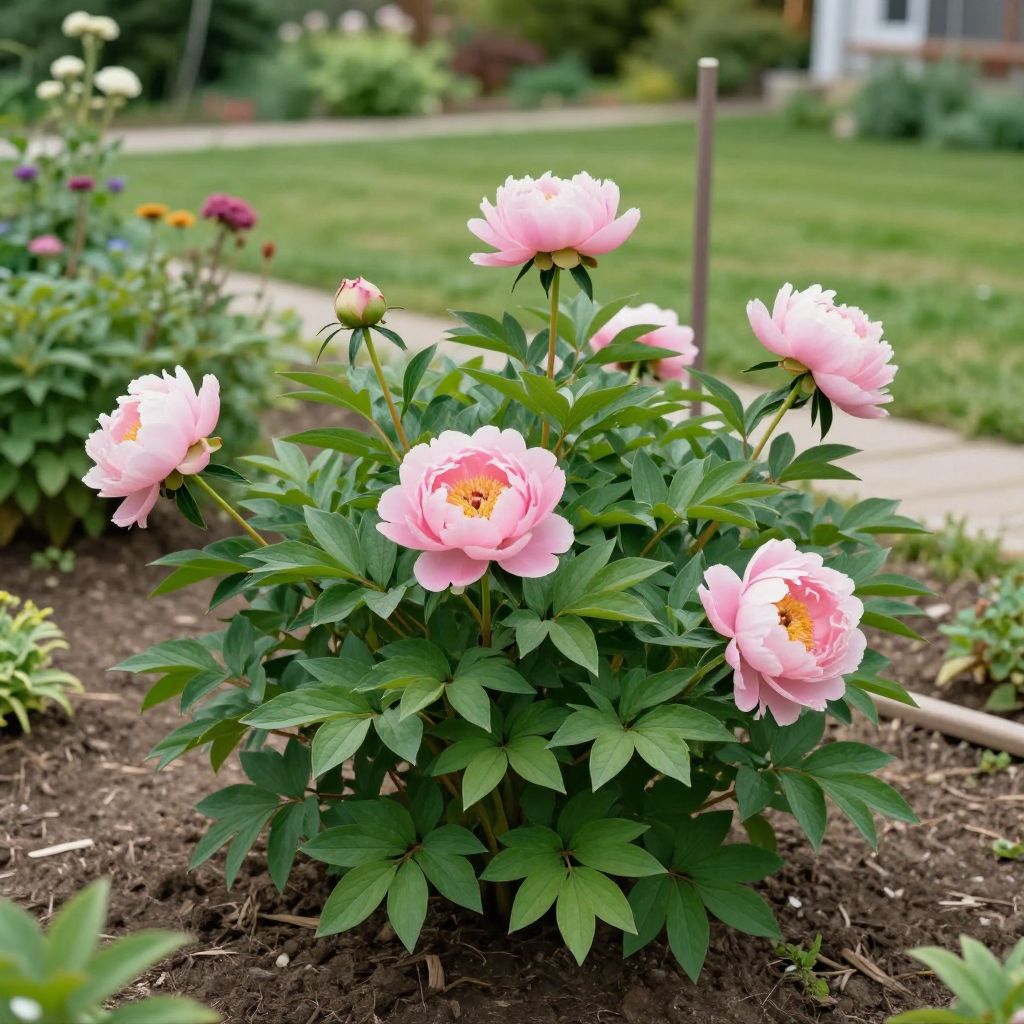
Do peonies bloom all summer? Usually, no. Most peonies produce one main flush of flowers in late spring to early summer, and the display often lasts only 1 to 3 weeks per plant. With a mix of early, midseason, and late varieties, you can stretch the overall peony season, but each individual plant still blooms for a relatively short time.
The good news is that peonies are long-lived, low-maintenance perennials that reward good planting and care with bigger, better flowering over time. If you want a longer peony show, the key is choosing the right types, giving them full sun and excellent drainage, and avoiding the common mistakes that reduce blooms.
Do peonies bloom all summer?
No, peonies do not bloom all summer in most gardens. A single peony plant usually flowers for a short period, but by planting several cultivars with different bloom times, you can enjoy peonies for several weeks from late spring into early summer.
How long do peonies actually bloom?
Most herbaceous peonies bloom for about 7 to 10 days per plant, though cool weather can extend the display and hot weather can shorten it. Tree peonies and intersectional peonies may have slightly different timing, but they still do not flower continuously through summer.
What affects bloom length?
- Temperature: Cool spring weather often keeps flowers open longer.
- Sun exposure: More sun usually means stronger stems and better flowering.
- Plant age: Young peonies may bloom lightly; mature plants usually flower more heavily.
- Variety: Early, midseason, and late cultivars bloom at different times.
- Weather stress: Heat, heavy rain, and wind can shorten the show.
Can you make peonies bloom longer?
You cannot make one peony bloom all summer, but you can extend the overall season in your garden. The best strategy is to grow a sequence of early, midseason, and late-blooming peonies so the flowers overlap instead of appearing all at once.
How to stretch the peony season
- Choose cultivars with different bloom times.
- Plant them in a sunny site with good air circulation.
- Keep the soil evenly moist, especially in dry springs.
- Deadhead spent blooms to keep the plant tidy.
- Protect stems from flopping with a peony ring or support.
If your climate has a short spring, the bloom window may still be brief. In warmer regions, some peonies may flower earlier and fade faster, so local conditions matter as much as variety choice.
Best growing conditions for strong peony blooms
Peonies bloom best when they are planted in the right spot from the start. They prefer full sun in most climates, fertile soil, and a planting depth that keeps the eyes near the surface.
Sunlight
Give peonies at least 6 hours of direct sun daily. In very hot climates, light afternoon shade can help flowers last longer and reduce stress, but too much shade often leads to weak stems and fewer blooms.
Soil and drainage
Peonies need well-drained soil. Heavy, waterlogged ground can cause root rot and poor flowering, especially in winter or during wet springs.
- Work in compost to improve soil structure.
- Avoid planting in low spots where water collects.
- If soil is clay-heavy, consider raised beds or mounded planting areas.
Planting depth
This is one of the most important peony details. The buds, often called “eyes,” should usually be planted only about 1 to 2 inches below the soil surface. If planted too deeply, peonies may grow leaves but fail to bloom well.
Care tips that help peonies flower well every year
Peonies are not fussy once established, but a few simple habits can make a big difference in bloom quality. Focus on steady care rather than heavy feeding or frequent disturbance.
Watering
Water newly planted peonies regularly while they establish roots. Mature plants usually need less frequent watering, but they still benefit from deep watering during dry spells, especially in spring when buds are forming.
Try to water at the base of the plant rather than overhead. Wet foliage can encourage fungal disease, particularly in humid weather.
Fertilizing
Use compost or a balanced, slow-release fertilizer lightly in spring if your soil is poor. Too much nitrogen can produce lush leaves at the expense of flowers, so avoid overfeeding.
If your peonies are already growing well and blooming reliably, they may need little more than a yearly top-dressing of compost.
Mulching
A thin mulch layer can help conserve moisture and suppress weeds, but keep mulch a few inches away from the crown. Piling mulch directly over the crown can trap moisture and interfere with blooming.
Why peonies sometimes fail to bloom
If your peony is healthy but not flowering, the problem is often environmental or related to planting depth. Peonies are long-lived, so a poor start can affect bloom for years.
Common reasons peonies don’t bloom
- Too much shade: The plant may grow leaves but set few flowers.
- Planting too deep: A very common cause of missing blooms.
- Recent transplanting: Peonies often pause blooming after being moved.
- Excess nitrogen: Encourages foliage over flowers.
- Late frost: Can damage buds before they open.
- Competition: Nearby shrubs or tree roots may steal water and nutrients.
What to do if your peony won’t bloom
- Check that the plant gets enough sun.
- Inspect planting depth and correct it if the crown is buried too deeply.
- Reduce high-nitrogen feeding.
- Water during dry spells, especially in spring.
- Be patient with newly planted divisions; they may take time to settle in.
Should you cut peonies back after blooming?
Yes, but only remove the spent flowers and damaged foliage at the right time. Deadheading helps the plant look tidy and prevents it from wasting energy on seed production, though the leaves should stay in place for the rest of the season.
What to prune and when
- Remove faded blooms after petals drop.
- Leave healthy foliage intact through summer.
- Cut herbaceous peonies to the ground in fall after frost has blackened the leaves.
The leaves are important because they feed the roots for next year’s flowers. Cutting them back too early can weaken the plant and reduce future bloom.
Can you grow peonies for a longer display?
Yes, if your goal is a longer peony season, plant more than one type. A thoughtful mix can keep the garden blooming for several weeks, even though each individual plant still has a short flowering period.
Good planning ideas
- Choose one early-blooming peony.
- Add a midseason variety for the main flush.
- Include a late-blooming cultivar to finish the season.
- Group them where you can enjoy the changing sequence from a window, path, or patio.
Some gardeners also combine peonies with other perennials that bloom later, such as daylilies, catmint, or coneflowers, so the border stays colorful after peonies finish.
Common pests and diseases that can shorten bloom time
Healthy peonies bloom better, so it helps to watch for problems that weaken buds or foliage. Most issues are manageable if caught early.
Watch for these problems
- Botrytis blight: Causes bud rot, gray mold, or blackened stems in cool, wet weather.
- Powdery mildew: Affects leaves more than flowers, especially in crowded or dry sites.
- Ants on buds: Usually harmless; they are attracted to the sweet bud coating and do not cause the problem.
- Thrips or other insects: Can damage petals, though major damage is less common.
Prevention tips
- Space plants for airflow.
- Water at soil level.
- Remove and discard diseased foliage, especially in wet seasons.
- Clean up fallen leaves and debris around the plant.
If a spring is unusually rainy, blooms may open poorly or rot before they fully expand. In that case, focus on sanitation and airflow rather than trying to force the plant to perform.
How to divide or move peonies without losing blooms
Peonies dislike being moved, and transplanting often delays flowering for a year or more. If you must divide or relocate one, do it carefully and expect a recovery period.
Basic division guidance
- Divide only when necessary, not as routine maintenance.
- Choose a cool season when the plant is dormant.
- Replant divisions with the eyes close to the soil surface.
- Water well after planting and avoid overhandling the roots.
After moving, the plant may focus on root growth before it resumes blooming. That pause is normal, so patience matters.
Best tools for peony care
You do not need many tools to grow peonies well, but a few basics make maintenance easier and help protect the blooms.
- A hand trowel for planting and top-dressing compost
- Garden shears for deadheading and fall cleanup
- A peony ring or plant support to keep heavy flowers upright
- A watering wand or hose nozzle for gentle base watering
Conclusion: enjoy the season, not a nonstop bloom
Do peonies bloom all summer? No, but they can still be one of the most rewarding spring flowers in your garden. If you want more weeks of color, plant a mix of early, midseason, and late peonies, give them full sun and excellent drainage, and avoid burying the crown too deeply.
For more practical flower-growing advice, you may also want to read about peony care basics and growing peonies successfully.