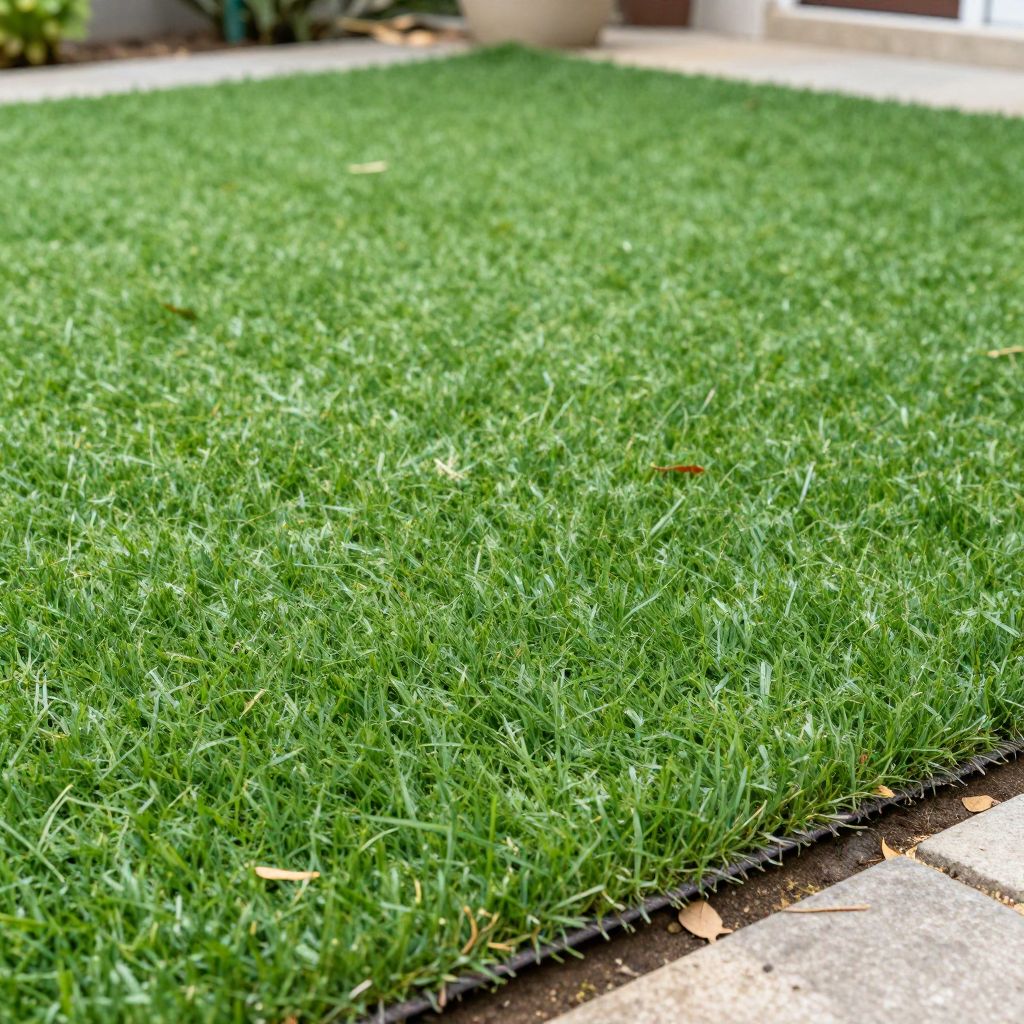
What is astro turf, and is it something you can use in a garden? If you’ve seen the term used for lawns, patios, or play areas, you’re probably looking at synthetic grass rather than a living plant.
In gardening terms, astro turf is an artificial turf surface made to look like grass. It does not grow, need mowing, or respond to soil, sunlight, or fertilizer, but it does need proper installation and maintenance to stay safe, clean, and attractive.
What Is Astro Turf?
Astro turf is a brand-name term that has become a general name for synthetic grass. It is a man-made surface designed to mimic a lawn, often used where real grass is hard to grow or maintain. Unlike living turf, it does not root into soil, but it still needs a stable base, drainage, and regular cleaning.
How to Identify Astro Turf in a Garden or Landscape
If you’re trying to tell astro turf apart from real grass, look closely at the texture, backing, and behavior underfoot. Synthetic turf usually has uniform blade shape and color, a visible backing layer, and a very even appearance that doesn’t change with seasons.
Common signs it is artificial turf
- Too uniform: The blades are often identical in length and color.
- Backing layer visible: You may see black or dark mesh beneath the “grass.”
- No growth points: It does not spread, flower, or produce seed heads.
- Springy feel: Many products rebound when pressed, especially over a padded base.
- Edges may lift: Installed turf can show seams, nails, or edging materials.
How it differs from real turfgrass
Real lawn grasses have natural variation, seasonal color changes, and growth patterns. They also show signs of stress from drought, shade, compaction, or pests. Astro turf stays the same color and shape unless it becomes dirty, flattened, or damaged.
Where Astro Turf Works Best in Gardening
Astro turf can be useful in places where living grass struggles, such as shaded courtyards, narrow side yards, rooftop terraces, or high-traffic play zones. It is also chosen for low-maintenance landscaping when irrigation is limited or a tidy look is more important than a living lawn.
Good uses for synthetic turf
- Small urban gardens with poor light
- Areas where soil is shallow or compacted
- Play spaces that need a durable surface
- Decorative zones where mowing is difficult
- Temporary displays or event spaces
When real grass may be better
If you want a cooling, living surface that supports soil life, absorbs rainfall, and changes with the seasons, real turfgrass is usually the better choice. Astro turf cannot replace the ecological benefits of a healthy lawn or groundcover planting.
How Astro Turf Is Installed
Good installation matters more than many gardeners expect. Poorly prepared ground can lead to puddling, wrinkles, seams showing, or an uneven surface that wears out quickly.
Basic installation steps
- Remove existing grass, weeds, stones, and debris.
- Level the area and shape it so water can drain away.
- Install a compacted sub-base of suitable aggregate if needed.
- Add a weed membrane if appropriate for the site.
- Roll out the turf and let it settle before cutting.
- Trim edges carefully and join seams securely.
- Fix the turf in place with stakes, nails, edging, or adhesive as required.
- Brush the fibers upright and add infill if the product calls for it.
Drainage is essential
Because astro turf does not absorb water like soil and roots do, the base must drain well. If the ground beneath is heavy clay or poorly graded, rainwater can pool on top or underneath the surface. That can lead to odor, moss, and a shortened lifespan.
Soil and Base Preparation for Astro Turf
Although astro turf does not grow in soil, the condition of the ground underneath still matters. A stable, well-drained base helps prevent dips, soft spots, and standing water.
What to check before installation
- Drainage: Water should move away from the area naturally or through a designed base.
- Compaction: The surface should be firm enough to avoid settling.
- Weed pressure: Existing perennial weeds should be removed thoroughly.
- Levels: Low spots should be corrected before laying turf.
If you are installing turf over a balcony, roof, or patio, confirm that the structure can handle the load and that drainage outlets remain clear. For any raised or enclosed site, water management is just as important as appearance.
Watering, Sunlight, and Weather: What Matters for Astro Turf
Astro turf does not need watering for growth, but weather still affects it. Heat can make the surface uncomfortable, debris can collect after storms, and shade can encourage moss or algae on damp areas.
Sun exposure
In full sun, synthetic turf may become warm to the touch, especially dark-colored products. In shade, it may stay cooler but can hold moisture longer, which increases the chance of slippery growth on the surface if the area is poorly ventilated.
Rain and frost
Rain should drain through the turf and base if the system is installed correctly. In freezing weather, avoid scraping hard ice from the surface, since that can damage the fibers or backing.
Maintenance: How to Keep Astro Turf Looking Good
Astro turf is lower maintenance than a lawn, but it is not maintenance-free. Regular care keeps it looking tidy and helps it last longer.
Routine care checklist
- Remove leaves and twigs with a soft broom or leaf blower on a gentle setting.
- Rinse off dust, pollen, or spills when needed.
- Brush fibers upright in flattened areas, especially along paths or play zones.
- Check seams, edges, and anchors periodically.
- Clear drains and edges so water can move away from the surface.
Cleaning tips
Use mild soap and water for most marks. Avoid harsh chemicals unless the manufacturer specifically approves them, because some cleaners can damage the backing or shorten the life of the turf.
Common Problems With Astro Turf and How to Fix Them
Most issues with astro turf come from installation, drainage, or regular wear rather than plant disease. The good news is that many problems can be corrected if you catch them early.
Puddling or slow drainage
This usually means the base is uneven, compacted incorrectly, or blocked by debris. Lift the affected section if needed, clear the drainage path, and correct the base rather than simply adding more top dressing.
Flattened fibers
Heavy foot traffic can press the blades down. Brushing the turf against the grain often helps, and some products benefit from a light infill refresh if the manufacturer recommends it.
Weeds at the edges
Weeds can appear around the perimeter or through seams if the base was not prepared well. Remove them promptly and improve edging and membrane coverage where needed.
Moss or algae
These are more likely in damp, shaded areas. Improve airflow, clean the surface, and reduce standing moisture. If the area stays wet all the time, the drainage design may need attention.
Safety and Environmental Considerations
Before choosing astro turf, think about how the space will be used. It can be practical, but it also changes how the garden functions.
Things to consider
- Heat buildup: Synthetic surfaces can become hot in direct sun.
- Water flow: Rain still needs a route away from the site.
- Wildlife value: Astro turf does not provide habitat, nectar, or food for insects.
- Soil health: It covers the ground, so the living soil beneath gets less air and light.
If your goal is a wildlife-friendly garden, consider using astro turf only in small practical zones and leaving more of the garden for planting beds, groundcovers, or lawn alternatives that support pollinators and soil life.
Choosing the Right Product for Your Space
Not all synthetic turf is the same. Some products are better for decorative use, while others are made for heavier foot traffic or play areas. Read product details carefully and match the turf to the site rather than choosing by appearance alone.
What to look for
- Pile height suitable for the intended use
- Drainage holes or a permeable backing
- UV resistance for sunny sites
- Backing strength for seams and edges
- Manufacturer guidance for cleaning and infill
Practical Mistakes to Avoid
Many problems happen because people treat astro turf like a simple roll-out mat rather than a landscape surface that needs a proper base. Avoiding a few common mistakes can save time and money.
- Skipping base preparation and expecting the turf to hide uneven ground
- Ignoring drainage in wet or clay-heavy sites
- Using aggressive tools that damage the fibers
- Letting leaves and debris build up for long periods
- Choosing turf that is unsuitable for the amount of use it will get
Is Astro Turf a Good Choice for Your Garden?
Astro turf can be a sensible solution if you need a neat, durable surface and real grass will not thrive. It is especially useful where shade, poor soil, or heavy use make lawn care difficult. It is less suitable if you want a living, cooling, ecologically active garden space.
If you are deciding between synthetic turf and a planted area, start by looking at light, drainage, and how you use the space. Then choose the option that fits your local conditions and your long-term maintenance goals. For more garden planning ideas, you may also find it helpful to read about lawn alternatives for difficult sites and how to improve garden drainage.