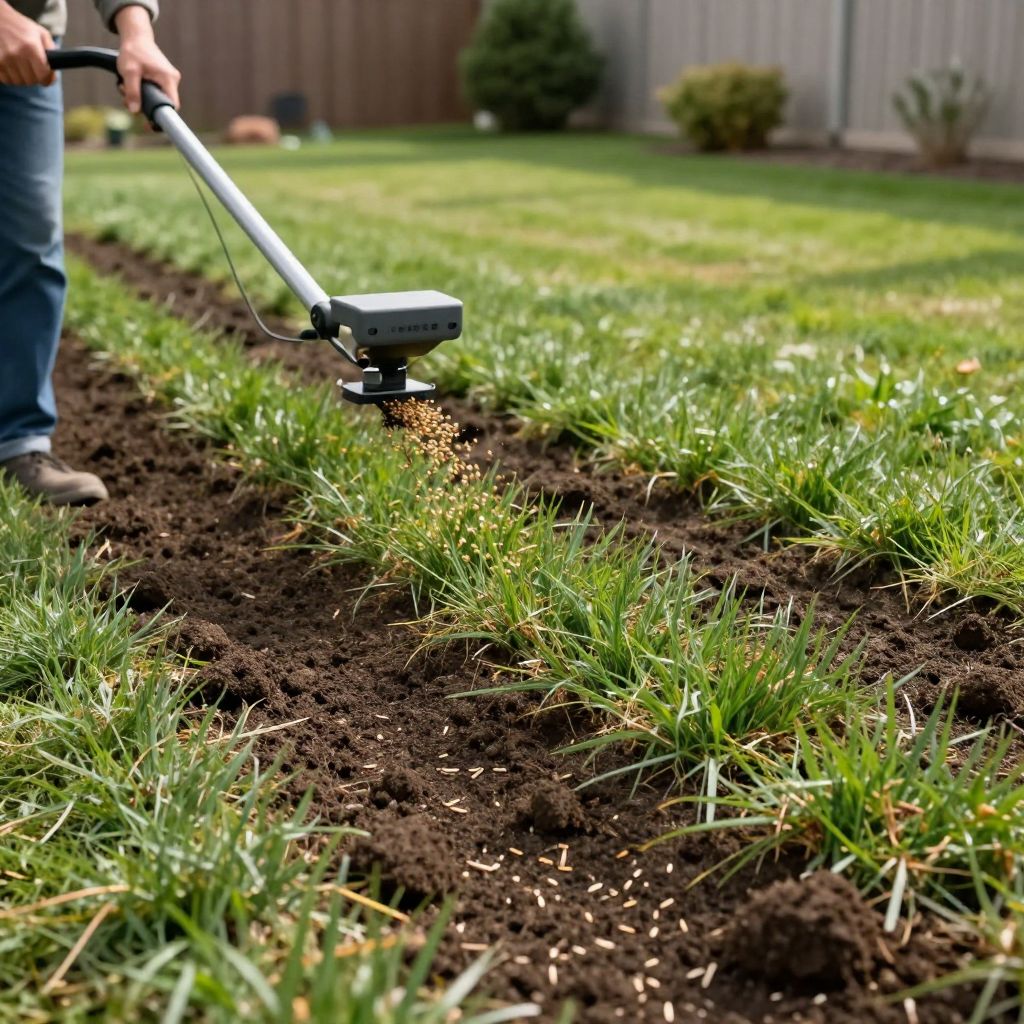
When is the best time to plant grass? The short answer is usually when temperatures are mild, soil is workable, and the grass can grow steadily without extreme heat or cold. For many lawns, that means early fall is ideal, with spring as the next best option.
The right timing depends on whether you are sowing seed, laying sod, or overseeding an existing lawn, plus your local climate and grass type. Planting at the right season gives grass a better chance to root deeply, fill in evenly, and compete with weeds.
When is the best time to plant grass?
The best time to plant grass is generally early fall for cool-season grasses and late spring to early summer for warm-season grasses. Aim for mild air temperatures, warm soil, and enough moisture for germination or rooting. Avoid planting during extreme heat, drought, or when frost is likely.
Why season matters so much
Grass establishes best when it can put energy into roots instead of fighting weather stress. If you plant at the wrong time, seed may dry out, young roots may struggle, and weeds can outcompete new grass.
Cool-season grasses
Cool-season grasses such as Kentucky bluegrass, perennial ryegrass, tall fescue, and fine fescues usually establish best in early fall. Soil is still warm enough for germination, but cooler air reduces stress and weed pressure.
Warm-season grasses
Warm-season grasses such as Bermuda grass, zoysia, centipedegrass, and St. Augustinegrass generally do best when planted in late spring through early summer. They need warm soil to grow strongly and are slowed by cool weather.
Best planting windows by grass type
Use your grass type as the main guide, then adjust for your climate. Local weather can shift the ideal window by several weeks.
- Cool-season seed: early fall is best; early spring is a backup option.
- Cool-season sod: fall is excellent, but spring can work if watering is consistent.
- Warm-season seed or sod: late spring to early summer, after frost risk has passed.
- Overseeding an existing lawn: match the season to the grass type you are adding.
Why fall is often the winner
Fall usually offers warm soil, cooler air, fewer aggressive weeds, and more reliable rainfall in many regions. That combination helps grass establish before winter dormancy or seasonal slowdown.
When spring planting makes sense
Spring planting is useful if you missed fall, have bare patches to repair, or live in a climate where fall arrives quickly. Just know that young grass may face summer heat before it is fully established.
How to tell if your lawn is ready to plant
Before you seed or sod, check that the site is ready. Good preparation matters almost as much as timing.
- Soil is workable: not frozen, muddy, or waterlogged.
- Temperatures are suitable: mild enough for growth, not extreme.
- Sunlight matches the grass: most lawn grasses need at least 4 to 6 hours of sun, though some tolerate partial shade better than others.
- Drainage is decent: standing water slows rooting and can rot seed or sod.
If your yard stays soggy after rain, fix drainage issues first or choose a grass better suited to those conditions. Grass seed will not solve a poorly drained site on its own.
How to plant grass successfully
1. Test and prepare the soil
Start by clearing debris, weeds, and dead turf. Loosen the top few inches of soil so roots can penetrate easily. If the soil is compacted, aeration or light tilling can help before planting.
If you can, use a soil test to check pH and nutrient levels. That gives you a better foundation than guessing with amendments.
2. Improve the surface
Rake the area smooth and add a thin layer of compost if the soil is poor. A light topdressing can improve moisture retention and seed-to-soil contact without burying the seed too deeply.
For sod, the surface should be level and firm, but not hard-packed. Pressing sod into loose, amended soil helps the roots knit in faster.
3. Seed or lay sod at the right depth
Grass seed generally needs shallow placement. Most lawn seed should be lightly raked in or covered with a very thin layer of soil or compost, because seeds buried too deeply may fail to emerge.
When laying sod, butt the pieces tightly together without overlapping. Stagger seams like bricks to reduce gaps and help the lawn knit together evenly.
4. Water correctly during establishment
New grass needs consistent moisture, but not saturation. The surface should stay evenly damp during germination, then gradually shift to deeper, less frequent watering as roots grow.
Drying out even once can reduce germination or kill tender seedlings. On the other hand, heavy puddling can wash seed away or encourage disease.
Common mistakes to avoid
Many lawn problems start with timing or setup errors. Avoid these common missteps if you want stronger establishment.
- Planting too late in the season: young grass may not root before heat, frost, or dormancy.
- Using the wrong grass for the season: cool-season and warm-season grasses have different growth windows.
- Ignoring weeds before planting: weeds compete for water, light, and nutrients.
- Watering too little or too much: inconsistent moisture is a major cause of failure.
- Applying heavy fertilizer too early: too much nitrogen can stress seedlings or encourage weak growth.
- Cutting too soon: mowing before grass is rooted can pull seedlings or sod loose.
How long grass takes to establish
Establishment time depends on the grass type, planting method, and weather. Seeded lawns usually take longer than sod, and cool weather slows everything down.
- Seed: germination can begin in days for some grasses, but full establishment often takes several weeks to a few months.
- Sod: looks finished quickly, but roots still need time to grow into the soil.
- Overseeding: can improve density within a few weeks, but the lawn may not be fully filled in until the following season.
Be patient with foot traffic. Even if new grass looks green, it may not be anchored well enough for heavy use.
What to do if you missed the ideal planting time
If you missed the best window, you still have options. The right choice depends on how far off-season you are and how urgent the repair is.
If it is too hot
For cool-season grasses, wait for cooler weather if possible. Heat increases evaporation and makes seedlings vulnerable. If you must repair a small area, keep it shaded and watered carefully, or consider temporary erosion control until fall.
If it is too cold
Cool-season seed may still be viable in cool weather, but growth slows. Warm-season grasses usually stall in cold soil, so it is better to wait for warmer conditions rather than forcing the planting.
If you need a quick fix
Sod can provide faster coverage than seed, but it still needs proper timing and aftercare. For small bare spots, patching with seed and a thin compost topdressing may be enough until the main planting season arrives.
Watering, mowing, and early maintenance
Watering new grass
Keep the top layer of soil consistently moist during germination. Once the grass is up, begin encouraging deeper roots by watering less often but more thoroughly.
Watch the weather closely. Rain, wind, and soil type all affect how fast the surface dries out.
When to mow
Wait until new grass reaches mowing height and is firmly rooted. Mow with a sharp blade and remove no more than one-third of the leaf blade at a time.
For sod, give it time to root before mowing, and avoid tugging at the edges to test it too early.
Fertilizer and weed control
Use fertilizer carefully and follow product directions for your grass type and local conditions. A soil test is the best guide for whether your lawn actually needs extra nutrients.
Hold off on aggressive weed killers until new grass is established, unless the product label specifically says it is safe for seedlings or newly sodded lawns.
Best conditions for strong grass growth
Grass grows best with the right balance of sun, moisture, and soil structure. If one factor is off, establishment slows down.
- Sunlight: most lawn grasses prefer full sun to light shade.
- Soil: loose, fertile soil with good drainage supports stronger roots.
- Moisture: even moisture during establishment is essential.
- Airflow: good circulation helps reduce disease pressure.
If your site is heavily shaded, very dry, or frequently waterlogged, grass may struggle no matter when you plant it. In those cases, consider whether a different groundcover or landscape design would be more practical.
Quick seasonal guide
Use this simple rule of thumb when planning your lawn project:
- Early fall: best for most cool-season grasses.
- Late spring to early summer: best for most warm-season grasses.
- Early spring: acceptable for cool-season grass if fall was missed.
- Late summer: a transition period in some regions, but timing must be precise.
- Winter: generally not ideal for planting grass seed or sod in cold climates.
Conclusion
If you are wondering when is the best time to plant grass, start with your grass type and aim for mild weather, workable soil, and steady moisture. For most cool-season lawns, plant in early fall; for warm-season lawns, wait for late spring or early summer. Check your local conditions, prepare the soil well, and give the new grass consistent care during establishment.
For more lawn planning help, you may also want to read about how to prepare soil for a new lawn and how to overseed an existing grass lawn.