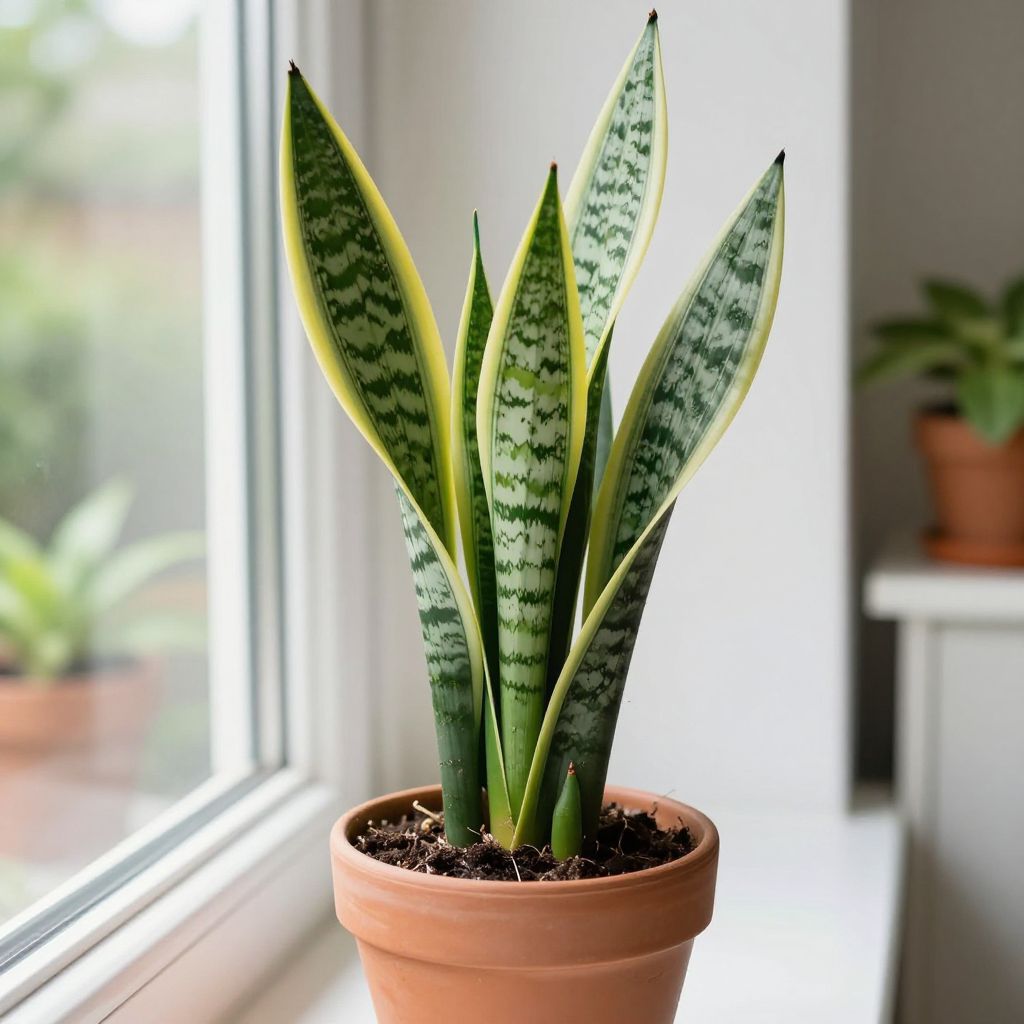
What are snake plants good for? If you want a tough, low-fuss houseplant that still looks sharp, snake plants are one of the best choices. They handle missed waterings, tolerate lower light better than many houseplants, and add strong vertical structure to indoor spaces.
They are not magic plants, but they are genuinely useful for beginners, busy gardeners, and anyone filling a bright corner, hallway, or patio container. The key is to grow them in well-drained soil and avoid the most common mistake: too much water.
What are snake plants good for?
Snake plants, usually Dracaena trifasciata (formerly Sansevieria trifasciata), are good for easy indoor growing, modern decorative planting, and drought-tolerant container displays. They suit low-maintenance gardeners, tolerate a range of light levels, and store water in their thick leaves, which helps them survive neglect better than many houseplants.
How to identify a snake plant
Snake plants are easy to recognize once you know what to look for. Their leaves are stiff, upright, and sword-shaped, often with green banding, yellow edges, or silver-gray patterning depending on the variety.
Key identification features
- Leaves: thick, upright, and pointed, usually growing from the base in clumps.
- Texture: smooth, leathery, and fleshy rather than soft or delicate.
- Growth habit: arching or vertical rosettes, with new shoots emerging from underground rhizomes.
- Flowers: uncommon indoors, but mature plants may produce tall stalks with pale, fragrant flowers.
If you are unsure, compare it with other upright houseplants. Snake plants have much thicker leaves than spider plants, peace lilies, or dracaenas, and they do not need frequent watering to stay healthy.
Why gardeners choose snake plants
Snake plants are popular for practical reasons, not just appearance. They are one of the easiest plants to keep alive indoors, especially if you do not have ideal light or a strict watering routine.
Common uses in the home and garden
- Indoor décor: Their upright form works well in corners, entryways, offices, and minimalist interiors.
- Low-maintenance planting: They are useful when you want greenery without constant attention.
- Container gardening: They perform well in pots, especially where drainage is excellent.
- Dry indoor spaces: They tolerate typical home humidity better than many tropical plants.
- Beginner gardening: They are forgiving of occasional mistakes, especially underwatering.
They are also a good choice if you want structure in a mixed container. A snake plant can act as a vertical accent beside softer, trailing plants, as long as the companions have similar light and watering needs.
Best growing conditions for snake plants
Snake plants grow best in bright, indirect light, but they can adapt to medium and lower light. They do best in a warm indoor environment and dislike cold, wet soil.
Light
Bright, indirect light usually gives the best growth and leaf color. In lower light, snake plants survive, but growth slows and leaves may become thinner or more upright.
A little direct morning sun is often fine, but strong afternoon sun through glass can scorch leaves, especially if the plant is not acclimated.
Temperature
They prefer typical indoor temperatures and should be protected from cold drafts. Outdoors, they can only be grown year-round in mild climates where frost is not a concern.
Soil and drainage
Drainage matters more than almost anything else. Use a fast-draining potting mix, ideally one made for succulents or cacti, or amend regular potting soil with perlite or pumice to improve airflow.
A pot with a drainage hole is strongly recommended. Sitting in water is the fastest way to cause root rot.
How to plant or repot a snake plant
Snake plants do not need frequent repotting. They actually prefer to be slightly snug in their containers, and overpotting can keep the soil wet too long.
- Choose a pot only slightly larger than the root ball.
- Use a free-draining mix, not heavy garden soil.
- Remove the plant gently and inspect the roots.
- Trim away any black, mushy, or foul-smelling roots.
- Set the plant at the same depth it was growing before.
- Backfill lightly and water once to settle the mix.
After repotting, wait until the top layer of soil dries before watering again. Freshly repotted snake plants are more vulnerable to rot if the soil stays wet.
Watering snake plants the right way
Snake plants store water in their leaves, so they need far less frequent watering than most houseplants. The right time to water is when the soil has dried out well, not on a fixed schedule.
How to check before watering
- Insert a finger 2 to 3 inches into the soil.
- If it still feels damp, wait.
- If the pot feels very light and the soil is dry through the top layer, water thoroughly.
- Empty saucers so the pot does not sit in runoff.
In brighter light and warmer rooms, snake plants may dry faster. In winter or lower light, they often need much less water. Always adjust to your home’s conditions rather than forcing a calendar.
Signs of overwatering
- Soft, mushy leaves
- Yellowing at the base
- Collapsed growth
- Musty soil smell
Signs of underwatering
- Wrinkled or slightly curled leaves
- Dry, compacted soil pulling away from the pot
- Slower growth than usual
Underwatering is usually easier to fix than overwatering. If the plant is dry, water deeply and let excess drain away. If the plant is rotting, remove it from the pot, cut away damaged roots, and replant in fresh dry mix.
Pruning and general maintenance
Snake plants need very little pruning, but a little cleanup keeps them attractive and healthy. Remove damaged leaves at the base with clean, sharp scissors or pruners.
When to prune
- Cut off yellow, broken, or badly bent leaves.
- Remove leaves with rot or pest damage.
- Trim crowded outer leaves if you want a tidier shape.
Do not cut healthy leaves halfway across. Snake plants do not branch from a cut leaf the way some plants do, so partial trimming usually leaves an unattractive stub.
Propagation: how to make new snake plants
Snake plants are easy to propagate, but the method you choose matters if you want the new plant to look like the parent.
Division
Division is the best method for keeping the same leaf pattern and growth habit. When repotting, separate a clump into sections, making sure each division has roots attached.
Leaf cuttings
You can root leaf sections in soil or water, but the new shoots may not keep the exact variegation of the original plant. This method is fine if you want more plants and do not mind some variation.
Let cut leaf pieces dry and callus for a day or two before planting them in a lightly moist, well-drained mix. Keep them warm and in bright indirect light while roots form.
Common pests and diseases
Snake plants are fairly resilient, but they can still develop problems, especially if they are stressed by poor drainage or low airflow.
Common pests
- Mealybugs: white, cottony insects tucked into leaf joints.
- Spider mites: tiny pests that can cause stippling and fine webbing in dry indoor air.
- Scale: small brown bumps stuck to leaves or stems.
Wipe pests off with a damp cloth and isolate the plant from others. For heavier infestations, use insecticidal soap or horticultural oil according to the label, and repeat as needed.
Common diseases
- Root rot: usually caused by too much water or poor drainage.
- Leaf spot: can appear as dark patches, often worsened by wet leaves and poor airflow.
The best prevention is simple: use a draining pot, let soil dry between waterings, and avoid letting water sit in the crown of the plant.
Outdoor growing and landscape use
In warm climates, snake plants can be used outdoors in containers or sheltered garden beds. They work well in modern, drought-tolerant designs and can add strong texture near patios, entryways, or under light shade.
Outdoors, they need the same basics as indoors: fast drainage, protection from frost, and no standing water. If your area gets cold winters, grow them in pots so you can move them inside before temperatures drop.
Good outdoor placements
- Bright patios with filtered light
- Covered porches
- Warm courtyards
- Raised containers with gritty soil
Avoid planting them in heavy clay or low spots where rain collects. Even a tough snake plant will decline if its roots stay wet for long periods.
Common mistakes to avoid
- Watering too often: the most common cause of failure.
- Using a pot without drainage: this traps excess moisture.
- Planting in dense soil: heavy mixes suffocate roots.
- Overpotting: too much soil stays wet too long.
- Assuming low light means no light: they survive lower light, but still need some brightness.
If your snake plant looks unhappy, check the roots and soil first. Most problems come from moisture management rather than pests or feeding.
So, what are snake plants good for?
Snake plants are good for easy indoor greenery, low-maintenance container gardening, and adding strong architectural form to your home or patio. They are especially valuable if you want a plant that tolerates irregular care, as long as you give it bright enough light and excellent drainage.
If you want to grow one successfully, start with a pot that drains well, use a gritty mix, and water only when the soil has dried. For more practical houseplant guidance, you may also find it helpful to read about how to choose the right potting mix and basic indoor plant watering tips.