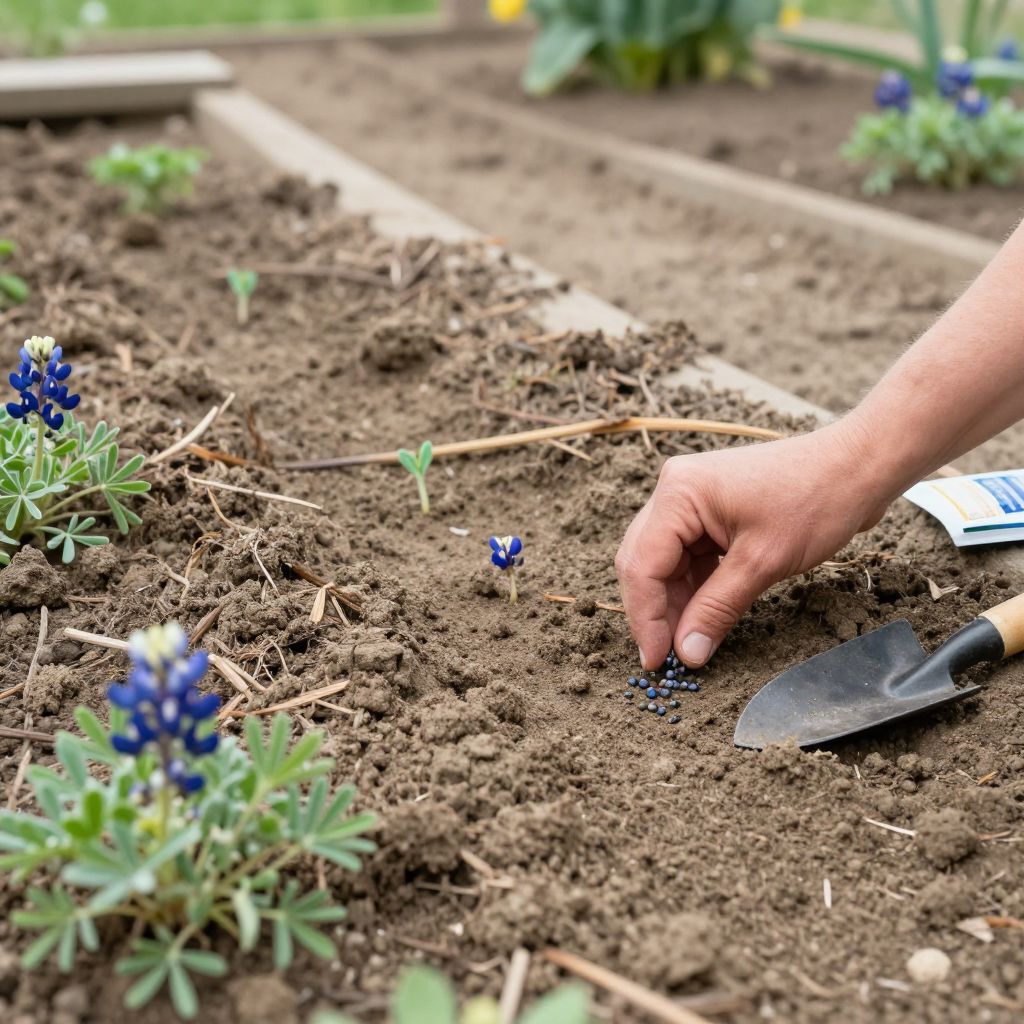
If you’re wondering when to plant bluebonnet seeds, timing matters more than almost anything else. Bluebonnets are cool-season wildflowers that need the right seasonal window to germinate well and bloom strongly the following spring.
The short answer: sow bluebonnet seeds in the fall, usually after the heat breaks and before winter cold settles in. In most climates, that means late September through November, but your local weather, soil temperature, and rainfall matter more than the calendar.
When To Plant Bluebonnet Seeds?
Plant bluebonnet seeds in fall so they can experience cool temperatures and natural winter moisture before spring bloom. In many regions, the best sowing window is from early fall to late fall, once daytime heat eases but before the ground becomes hard or waterlogged. Avoid spring planting if you want reliable flowering.
Why Fall Planting Works Best
Bluebonnets need a cool season to establish roots and go through a natural cold period before they flower. When you plant in fall, the seedlings grow slowly through winter and are ready to bloom in spring.
Spring planting usually gives disappointing results because the plants may not have enough time to establish before hot weather arrives. They can grow leaves, but flowering is often weak or delayed.
What bluebonnets need to germinate
- Cool temperatures for steady growth
- Good drainage to prevent seed rot
- Full sun for strong flowering
- Low to moderate moisture after establishment
How To Time Planting In Your Area
Because climate varies, use your local conditions instead of a fixed date. A good rule is to sow when summer heat has passed and the soil is still workable, but before winter weather becomes severe.
General seasonal guide
- Warm climates: plant in early to mid-fall
- Cooler climates: plant in early fall, before hard freezes
- Mild-winter regions: fall sowing is still best, but you may need to water lightly if autumn is dry
If you live in an area with very hot, dry autumns, wait until temperatures begin to drop. If you live where fall is rainy, make sure the site drains well so seeds do not sit in soggy soil.
Best Site And Soil For Bluebonnets
Bluebonnets do best in full sun and lean, well-drained soil. They are adapted to tough conditions and often perform better in average or poor soil than in rich, heavily amended beds.
Choose the right location
- At least 6 hours of direct sun daily
- Well-drained ground, not a low spot
- Open space where seedlings won’t be crowded out
- Minimal irrigation once plants are established
Heavy clay soil can be a problem because it holds too much water. If your soil stays wet after rain, consider planting on a gentle slope, raised area, or improved drainage bed.
Soil preparation tips
- Rake away weeds and debris before sowing
- Loosen the top layer of soil lightly
- Avoid overworking the soil into a fine powder
- Skip heavy fertilizer unless a soil test shows a real need
Too much compost or nitrogen can encourage leafy growth at the expense of blooms. Bluebonnets generally prefer a more natural, less pampered planting site.
How To Plant Bluebonnet Seeds
Bluebonnet seeds have a hard coat, so they often germinate more reliably if you help them along a little. You can sow them directly outdoors in fall, which is the easiest and most natural method.
- Pick a sunny, well-drained site.
- Clear weeds and lightly rough up the soil surface.
- Scatter seeds where you want them to grow.
- Press seeds into the soil or cover them very lightly.
- Water gently after sowing if the soil is dry.
Do not bury bluebonnet seeds deeply. They need light soil contact, but deep planting can reduce germination.
Should you scarify the seeds?
Sometimes yes. Lightly nicking or rubbing the seed coat can improve germination, especially if your seeds are older or you want more even sprouting. Be careful not to damage the seed inside.
Another simple option is to soak seeds briefly before planting, but avoid over-soaking. If you are unsure, direct sowing in fall often works well because seasonal moisture and temperature changes help break dormancy naturally.
Watering After Planting
Bluebonnet seeds need moisture to start germinating, but they do not like soggy soil. Water lightly after planting and keep the surface just slightly moist until seedlings emerge.
Once seedlings are established, reduce watering. Overwatering can lead to weak growth, root problems, and poor flowering.
Watering mistakes to avoid
- Letting the seedbed dry out completely right after sowing
- Keeping the soil constantly wet
- Using a strong spray that washes seeds away
- Watering on a fixed schedule without checking soil moisture
A gentle mist or light watering can is usually enough for new seedbeds. After plants are growing well, natural rainfall is often sufficient in many areas.
What To Expect After Germination
Bluebonnets usually germinate slowly and unevenly, so don’t worry if every seed does not sprout at once. Some seedlings may appear in a few weeks, while others take longer depending on weather and seed quality.
In the first season, the plants often form low rosettes close to the ground. That is normal. Strong spring bloom usually comes after the plants have spent winter building roots and foliage.
Seedling care through winter
- Keep weeds away so seedlings don’t get crowded out
- Water only if the soil becomes very dry
- Protect young plants from being trampled
- Do not fertilize heavily
Common Problems And How To Fix Them
Most bluebonnet problems come from poor timing, too much water, or the wrong site. If you solve those three issues, your chances improve a lot.
Seeds don’t sprout
This can happen if the seeds were planted too deeply, the soil stayed too wet, or the weather was too warm. Try sowing again in the proper fall window and keep the seedbed lightly moist, not soggy.
Plants grow leaves but no flowers
This often means the plants were planted too late, got too much fertilizer, or did not receive enough sun. Bluebonnets need a cool-season start and a sunny site to bloom well.
Seedlings rot or collapse
Excess moisture and poor drainage are common causes. Improve drainage, thin out crowded areas, and avoid watering unless the soil is drying out.
Weeds overtake the bed
Bluebonnet seedlings are easy to crowd out. Weed gently by hand and avoid deep cultivation that disturbs the roots.
Do Bluebonnets Need Pruning Or Deadheading?
Bluebonnets grown as annual wildflowers usually do not need pruning. If you want to encourage reseeding, let some flowers mature and set seed naturally.
If you are growing them in a managed landscape bed, you can remove spent stems after flowering for tidiness, but leaving a few seed pods can help them return in future seasons.
Can You Grow Bluebonnets In Containers?
Yes, but containers are trickier than in-ground planting because bluebonnets dislike wet roots. If you grow them in pots, use a container with excellent drainage and a lean, gritty mix.
- Choose a deep pot with drainage holes
- Use a fast-draining potting mix
- Place the pot in full sun
- Water sparingly
Even in containers, fall planting is still the best time. Container-grown bluebonnets may need a little more monitoring because pots dry out and warm up faster than garden soil.
Best Practices For A Strong Spring Display
If your goal is a good bloom next spring, focus on the basics: fall sowing, sun, drainage, and restraint with water and fertilizer. Bluebonnets are happiest when you work with their natural cycle instead of trying to force fast growth.
- Sow in fall, not spring
- Plant in full sun
- Use well-drained soil
- Avoid heavy feeding
- Keep watering light after establishment
For larger plantings, scatter seed in drifts rather than tight rows so the flowers look natural and have room to spread.
Conclusion
The best time to plant bluebonnet seeds is in fall, when temperatures cool and the soil is still workable. Give them sun, drainage, and a light touch with water, and they’ll have the best chance to establish before spring bloom.
If you want to plan your wildflower bed next, you may also enjoy reading about how to prepare a wildflower patch and choosing the best soil for native flowers.