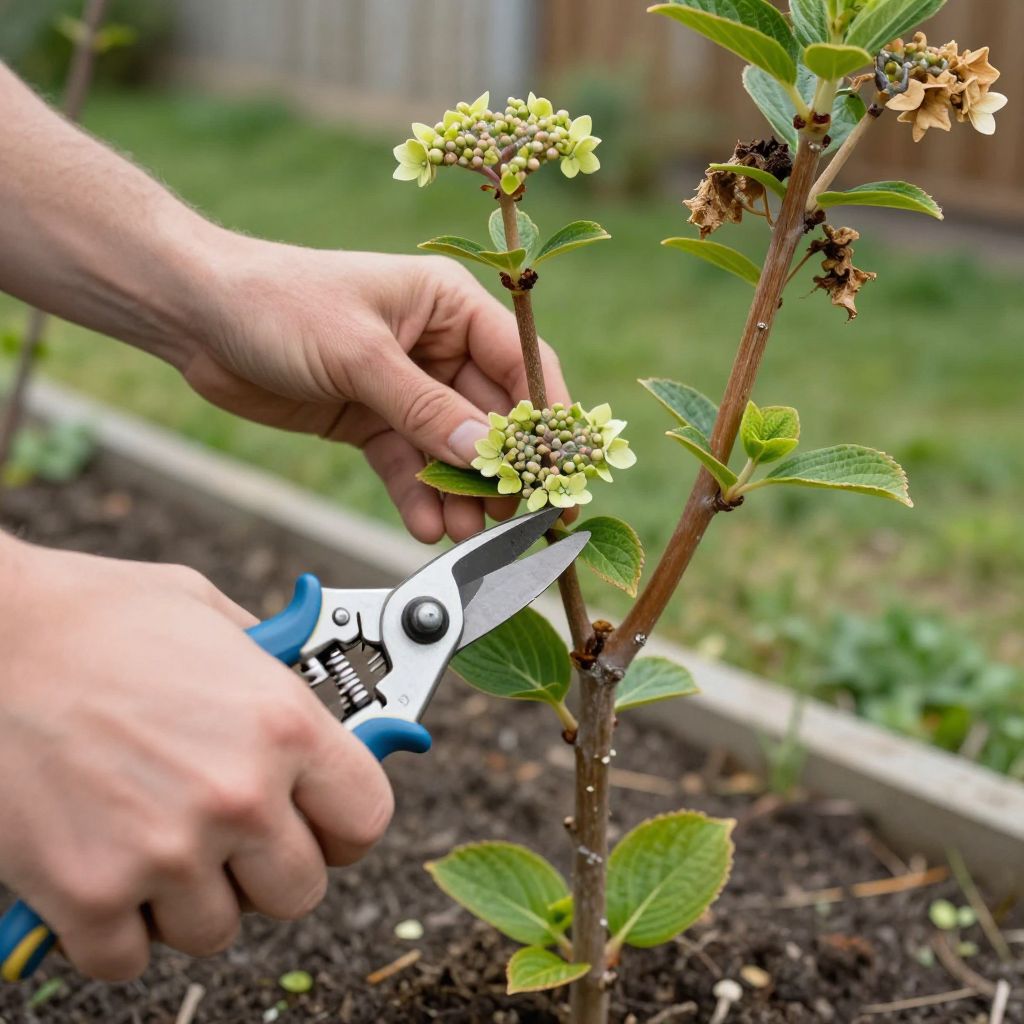
When do you cut back hydrangeas? The short answer is: it depends on the type of hydrangea you grow. Some bloom on old wood and should be pruned lightly, while others bloom on new wood and can be cut back more firmly in late winter or early spring.
Getting the timing wrong can remove flower buds for the season, so it helps to identify your hydrangea first. Once you know whether it flowers on old or new growth, pruning becomes much simpler and much safer.
When do you cut back hydrangeas?
Cut back hydrangeas based on when they set flower buds. Hydrangeas that bloom on old wood are pruned right after flowering, while those that bloom on new wood are cut back in late winter or early spring before growth starts. If you are unsure which kind you have, prune lightly and avoid major cuts until you identify it.
Know your hydrangea type before you prune
Different hydrangeas follow different flowering patterns, and that is the key to pruning them correctly. A plant that blooms on old wood forms buds the previous year, while one that blooms on new wood flowers on the current season’s growth.
Common hydrangea groups and pruning timing
- Bigleaf hydrangea (Hydrangea macrophylla) — usually blooms on old wood; prune after flowering or only lightly in spring.
- Oakleaf hydrangea (Hydrangea quercifolia) — blooms on old wood; prune just after bloom if needed.
- Peegee hydrangea (Hydrangea paniculata) — blooms on new wood; prune in late winter or early spring.
- Smooth hydrangea (Hydrangea arborescens) — blooms on new wood; prune in late winter or early spring.
- Climbing hydrangea (Hydrangea anomala subsp. petiolaris) — usually needs only minimal pruning after flowering.
If you do not know the exact variety, watch when it flowers and note whether buds appear on last year’s stems or on fresh spring growth. That observation will guide future pruning far better than a calendar alone.
Best seasonal timing for cutting back hydrangeas
Late winter to early spring
This is the best time to prune hydrangeas that bloom on new wood. The plant is dormant or just waking up, so you can remove dead stems, thin overcrowded growth, and shape the shrub before new shoots expand.
For old-wood bloomers, late winter pruning is usually the riskiest time because flower buds may already be present on the stems. If you cut too much then, you may lose the year’s blooms.
Right after flowering
Hydrangeas that bloom on old wood are best cut back soon after the flowers fade. This gives the plant time to produce new growth and set buds for next year before cold weather arrives.
For many gardeners, this means pruning in mid- to late summer. In cooler climates, finish pruning early enough that the plant can recover before autumn frost.
After winter damage
If stems are broken by snow, ice, or wind, remove only the damaged parts. Wait until spring if you are unsure how much live wood remains, because some stems that look dead may still push new growth from lower buds.
How to prune hydrangeas safely
Pruning hydrangeas does not need to be complicated. The goal is to improve shape, remove dead wood, and encourage healthy flowering without overcutting.
- Start with clean, sharp tools. Use bypass pruners for smaller stems and loppers for thicker canes.
- Remove dead, damaged, or diseased wood first. Cut back to healthy tissue or to the base if a stem is clearly dead.
- Thin crowded stems. Remove a few of the oldest stems at ground level to improve airflow and light.
- Shape lightly. Trim only what is needed to keep the plant balanced and tidy.
- Stop before you overdo it. For old-wood bloomers, simple cleanup is often enough.
Make each cut just above a healthy bud or side branch. Avoid leaving long stubs, which can die back and create entry points for disease.
How much should you cut?
There is no single correct amount for every hydrangea. As a general rule, new-wood bloomers can tolerate a stronger cutback, while old-wood bloomers should be pruned more conservatively.
- New-wood types: can often be cut back by about one-third to one-half, depending on the plant’s size and vigor.
- Old-wood types: usually need only deadheading, light shaping, or the removal of a few stems.
If your shrub is overgrown, spread major pruning over two seasons rather than removing too much at once. That approach reduces stress and preserves more flowers.
What happens if you prune hydrangeas at the wrong time?
The most common result is fewer blooms. On old-wood hydrangeas, cutting in late winter or spring can remove the stems that already hold flower buds, leaving you with healthy foliage but little or no flowering.
On the other hand, delaying pruning on new-wood hydrangeas usually does less harm, though the plant may become crowded or leggy. If in doubt, a light cleanup is safer than a hard cutback.
Signs you may have pruned too much
- Few or no flowers that season
- Lots of leafy growth but no buds
- Long, weak shoots that flop outward
- Stems that die back after a hard freeze or late pruning
Even if blooms are reduced, a healthy hydrangea can usually recover in the following season if you adjust your timing and pruning method.
Deadheading versus cutting back
Deadheading means removing spent flowers, while cutting back means shortening stems or removing larger sections of the plant. These are not the same task, and hydrangeas often benefit from deadheading even when they do not need major pruning.
Deadheading can tidy the shrub and prevent the plant from putting energy into fading blooms. For many gardeners, this is the safest maintenance step on old-wood hydrangeas.
How to deadhead hydrangeas
- Snip off the faded flower head just above the first pair of healthy leaves.
- Do not cut into the stem too deeply on old-wood bloomers.
- Leave attractive dried flower heads in place if you want winter interest or frost protection for buds.
Growing conditions that affect pruning success
Healthy hydrangeas recover from pruning more easily when they are planted in the right conditions. Good soil, steady moisture, and suitable light all help the shrub produce strong stems and flowers.
Soil and drainage
Hydrangeas prefer soil that holds moisture but drains well. Heavy, waterlogged soil can weaken roots, while very dry, sandy soil can stress the plant and reduce flowering.
Before pruning heavily, check whether the plant is already stressed by poor drainage or compacted soil. If roots are struggling, focus first on improving the growing site with compost and better watering habits.
Sunlight
Most hydrangeas grow best with morning sun and afternoon shade, especially in hot climates. In cooler regions, some types can take more sun if the soil stays evenly moist.
Too much shade can reduce flowering and make stems stretch out. Too much harsh sun can scorch leaves and dry the plant quickly, making it harder to recover after pruning.
Watering and mulch
Hydrangeas like consistent moisture, especially during active growth and after pruning. Water deeply when the top layer of soil begins to dry, rather than giving frequent shallow sprinkles.
A 2- to 3-inch layer of mulch helps conserve moisture, moderate soil temperature, and reduce weed competition. Keep mulch a few inches away from the stems to avoid rot.
Common pruning mistakes to avoid
- Pruning without identifying the type. This is the biggest reason hydrangeas fail to bloom.
- Cutting all stems to the ground. Some hydrangeas tolerate it, but old-wood bloomers often will not flower well afterward.
- Pruning too late in the season. This can remove next year’s buds on old-wood types.
- Using dull or dirty tools. Ragged cuts heal poorly and can spread disease.
- Removing too much at once. Heavy pruning can shock the plant and reduce bloom.
If you are unsure, start with dead stems and a few overcrowded canes. You can always do more later, but you cannot replace lost flower buds once they are cut off.
How to tell if a stem is alive
Sometimes hydrangea stems look dead after winter, but the plant may still be alive lower down. Before removing a stem, scratch the bark lightly with your fingernail or a clean knife.
- Green tissue underneath usually means the stem is alive.
- Brown, dry tissue suggests the stem is dead and can be removed.
On plants that suffered winter damage, wait for new growth to appear before making major cuts. This is especially helpful in colder climates where stem dieback is common.
Can you rejuvenate an old hydrangea?
Yes, but do it gradually. An overgrown hydrangea can often be improved by removing a portion of the oldest stems at the base each year, rather than cutting the entire shrub back at once.
This slow approach keeps the plant flowering while you renew its shape. It also improves air circulation, which can reduce disease problems in dense shrubs.
Pests and diseases to watch for after pruning
Pruning itself does not usually cause pest problems, but stressed plants can be more vulnerable. Keep an eye out for leaf spots, powdery mildew, aphids, and scale, especially if the shrub is crowded or poorly ventilated.
Good sanitation helps: remove diseased debris, clean tools between cuts if needed, and avoid overhead watering late in the day. Healthy airflow and proper spacing are often the best prevention.
Simple seasonal hydrangea care checklist
- Identify whether your hydrangea blooms on old wood or new wood.
- Prune at the correct season for that type.
- Remove dead, damaged, and crossing stems first.
- Deadhead spent blooms if desired.
- Water deeply during dry spells.
- Mulch to conserve moisture and protect roots.
- Watch for winter damage before making heavy cuts.
Conclusion
If you are wondering when do you cut back hydrangeas, the safest answer is to match pruning time to the plant’s flowering habit. Old-wood hydrangeas are usually cut back after bloom, while new-wood hydrangeas are best pruned in late winter or early spring. Start with light pruning, observe how your plant responds, and you will quickly learn the right rhythm for your garden.
For more practical care tips, you may also want to read about how to grow hydrangeas successfully in your garden and how to prune flowering shrubs without losing blooms.