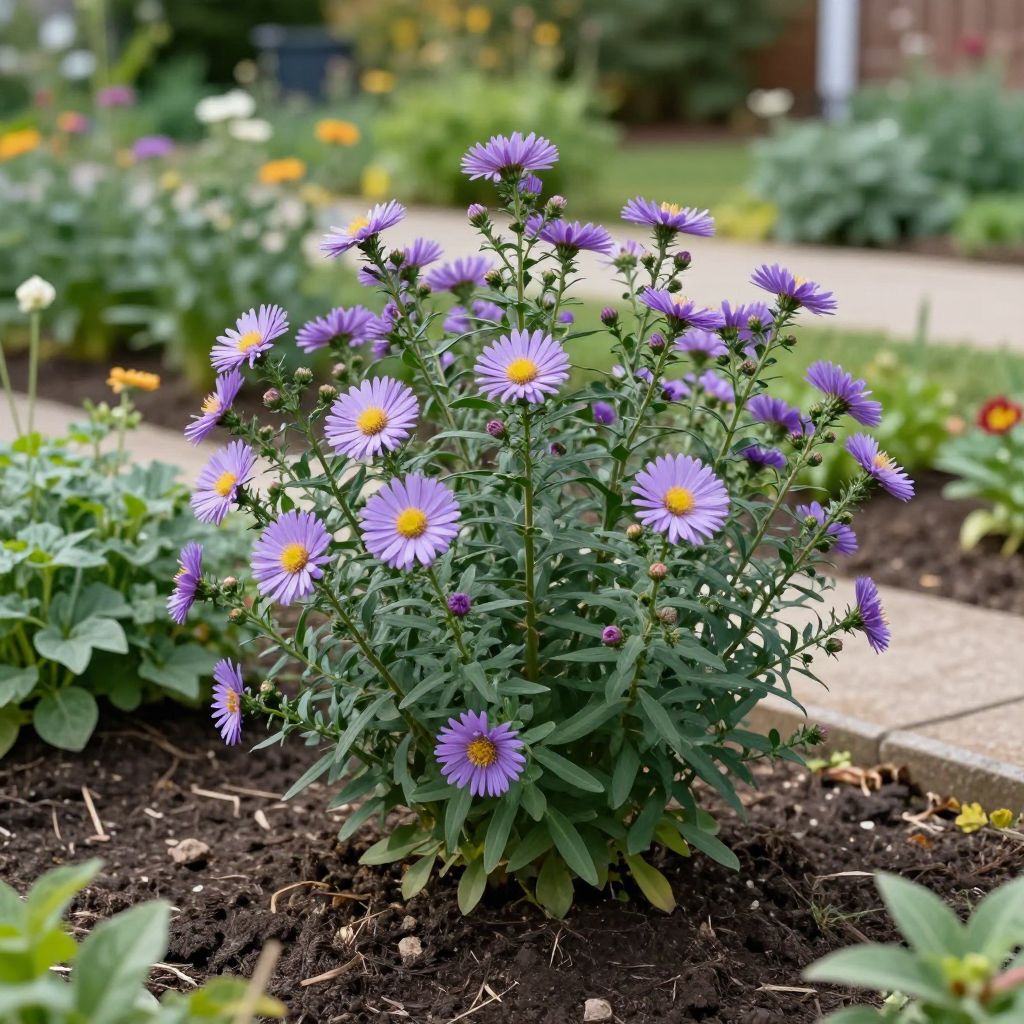
Are asters perennials? In most gardens, yes: the asters gardeners grow for late-season color are perennial plants that return year after year when they’re suited to your climate and growing conditions. They bloom in late summer and fall, helping bridge the gap between summer flowers and frost.
The key is knowing which type of aster you have, because some plants sold as “asters” are true perennials, while others may behave as short-lived perennials or annuals depending on the species and region. Good placement, drainage, and seasonal care make a big difference in how reliably they come back.
Are asters perennials?
Yes, many asters are perennial herbaceous plants that die back in winter and regrow from the roots in spring. Common garden asters, especially those in the Symphyotrichum group, are grown as perennials in many temperate regions. Their longevity depends on species, hardiness, drainage, and how often they’re divided or crowded.
What kind of aster do you have?
The word “aster” is used for several different plants, so identification matters. Some are native wildflowers, some are garden hybrids, and some plants sold under the aster name may not be true asters at all.
Common garden asters
- New England aster (Symphyotrichum novae-angliae)
- New York aster (Symphyotrichum novi-belgii)
- Calico aster (Symphyotrichum lateriflorum)
- Heath aster (Symphyotrichum ericoides)
These are typically perennial outdoors in suitable climates. They may spread by clumps or rhizomes, and some can self-seed if conditions are right.
Why some asters seem short-lived
Even perennial asters can decline if they are planted in heavy, wet soil, shaded too deeply, or left overcrowded for too long. In poor conditions, they may survive only a few seasons or bloom weakly before thinning out.
Best growing conditions for perennial asters
Asters perform best in full sun, though some tolerate light afternoon shade in hot climates. They need well-drained soil, moderate fertility, and enough airflow to reduce disease. Once established, they are fairly dependable and can be low-maintenance perennials.
Sunlight
- Best bloom: at least 6 hours of direct sun daily
- Hot climates: morning sun with some afternoon shade can help
- Too much shade: causes leggier growth and fewer flowers
Soil and drainage
Asters prefer soil that stays evenly moist but never soggy. If your soil is heavy clay, improve drainage with compost and avoid planting in low spots where water collects.
- Work in 2 to 3 inches of compost before planting
- Raise the bed slightly if drainage is poor
- Avoid rich, overly nitrogen-heavy soil that produces floppy growth
Watering needs
Newly planted asters need regular watering until established. Mature plants are more tolerant of short dry spells, but they still flower better with steady moisture during active growth and bud formation.
Water deeply rather than lightly and often. Let the top inch or two of soil dry slightly between waterings, but do not let the root zone dry out completely for long periods.
How to plant asters for long-term success
Plant asters in spring or early fall, depending on your local climate and the plant’s size. Cooler weather helps roots settle in, and fall planting can work well where winters are not severe and the soil remains workable.
- Choose a sunny site with good air circulation.
- Loosen the soil and mix in compost if needed.
- Dig a hole as deep as the root ball and about twice as wide.
- Set the crown at the same level it was growing in the pot.
- Backfill, firm the soil gently, and water thoroughly.
- Mulch lightly to conserve moisture, keeping mulch away from the stems.
Avoid burying the crown too deeply. Crowns that sit too low can rot, especially in wet soil or winter conditions.
Seasonal care for asters
Perennial asters are easiest to manage when you match care to the season. Their needs change from spring growth to fall bloom and then winter dormancy.
Spring
- Remove dead stems from the previous year if you left them over winter.
- Top-dress with compost if the soil is poor.
- Watch for new shoots and protect them from slugs in damp gardens.
Early summer
- Pinch back tall varieties by about one-third to encourage bushier growth.
- Stake taller plants if they tend to flop.
- Keep weeds down so roots are not competing for moisture.
Late summer and fall
- Deadhead spent flowers if you want a tidier look or want to reduce self-seeding.
- Water during dry spells to support bloom quality.
- Leave some seed heads if birds visit your garden and you like a natural look.
Winter
In colder regions, many gardeners leave the stems standing until spring for winter interest and habitat. In wet climates, cutting back after hard frost can help reduce disease carryover, but avoid cutting too early if the plant is still actively storing energy in the roots.
Pruning, pinching, and dividing asters
These tasks help keep perennial asters compact, healthy, and productive. They are especially useful for taller varieties that can become top-heavy as they bloom.
Pinching for fuller plants
Pinching is best done in late spring or early summer when stems are still soft. Remove the top few inches of growth from young plants. This delays bloom slightly, but it usually creates a sturdier, bushier plant with more flowering stems.
Dividing crowded clumps
Established asters often benefit from division every 2 to 4 years, especially if the center of the clump becomes woody or sparse. Divide in spring or early fall when weather is mild and the plant can recover quickly.
- Dig up the clump carefully
- Split healthy outer sections with roots attached
- Discard weak or woody center portions
- Replant divisions promptly and water well
Division is one of the best ways to refresh older asters. It can improve flowering and reduce overcrowding at the same time.
Common problems with perennial asters
Most aster problems are cultural rather than serious. If you correct the growing conditions, the plant often improves the following season.
Powdery mildew
This is one of the most common issues, especially in humid weather or crowded plantings. It shows up as a white, dusty coating on leaves.
- Improve spacing and airflow
- Water at the base, not overhead
- Remove badly affected leaves if needed
Flopping stems
Tall asters may lean or collapse if they grow in too much shade, rich soil, or windy sites. Pinching early, staking, or choosing a shorter cultivar can help.
Yellowing or weak growth
This often points to poor drainage, root stress, or overcrowding. Check whether the plant is sitting in waterlogged soil or competing with nearby roots from shrubs or trees.
Pests
Asters may occasionally attract aphids, spider mites, leafhoppers, or slugs. Most infestations are minor in home gardens, but it helps to inspect plants regularly, especially new growth and undersides of leaves.
- Use a strong spray of water for aphids
- Encourage beneficial insects by growing diverse flowers
- Reduce slug habitat by cleaning up dense debris near the base
How to use asters in the landscape
Because asters bloom late, they are valuable for extending seasonal color and feeding pollinators when many other flowers are fading. They work well in perennial borders, native plant gardens, cottage-style beds, and pollinator plantings.
Good companion plants
- Goldenrod
- Switchgrass
- Joe-Pye weed
- Black-eyed Susan
- Ornamental grasses
Pair asters with plants that enjoy similar sun and drainage. This makes maintenance easier and helps the planting look cohesive through the season.
Propagation: getting more asters
If your aster thrives, you can expand your planting without buying more plants. Division is the most reliable method, but some species also self-seed readily.
Division
This is the simplest way to clone a healthy plant and keep it vigorous. It also helps control size and rejuvenate older clumps.
Seed
Seed-grown asters may vary from the parent plant, especially with named cultivars. If you want an exact match, division is usually the better choice.
When asters may not come back
Sometimes a plant sold as an aster does not return after winter, and that does not always mean you did something wrong. The plant may have been marginally hardy for your area, stressed by poor drainage, or weakened by drought or disease.
If your aster disappears, check whether the crown was alive before assuming it died. In some climates, top growth dies back completely and the plant reappears later than expected in spring.
Conclusion
So, are asters perennials? In most cases, yes, and they can be excellent long-lived garden plants when given sun, drainage, and a little seasonal care. If you want better blooms next year, start by improving the planting site, then divide crowded clumps and keep an eye out for mildew or flopping stems.
If you’re planning a fall border, it can also help to read more about aster growing and care and other perennial flower basics to choose the best plants for your garden.