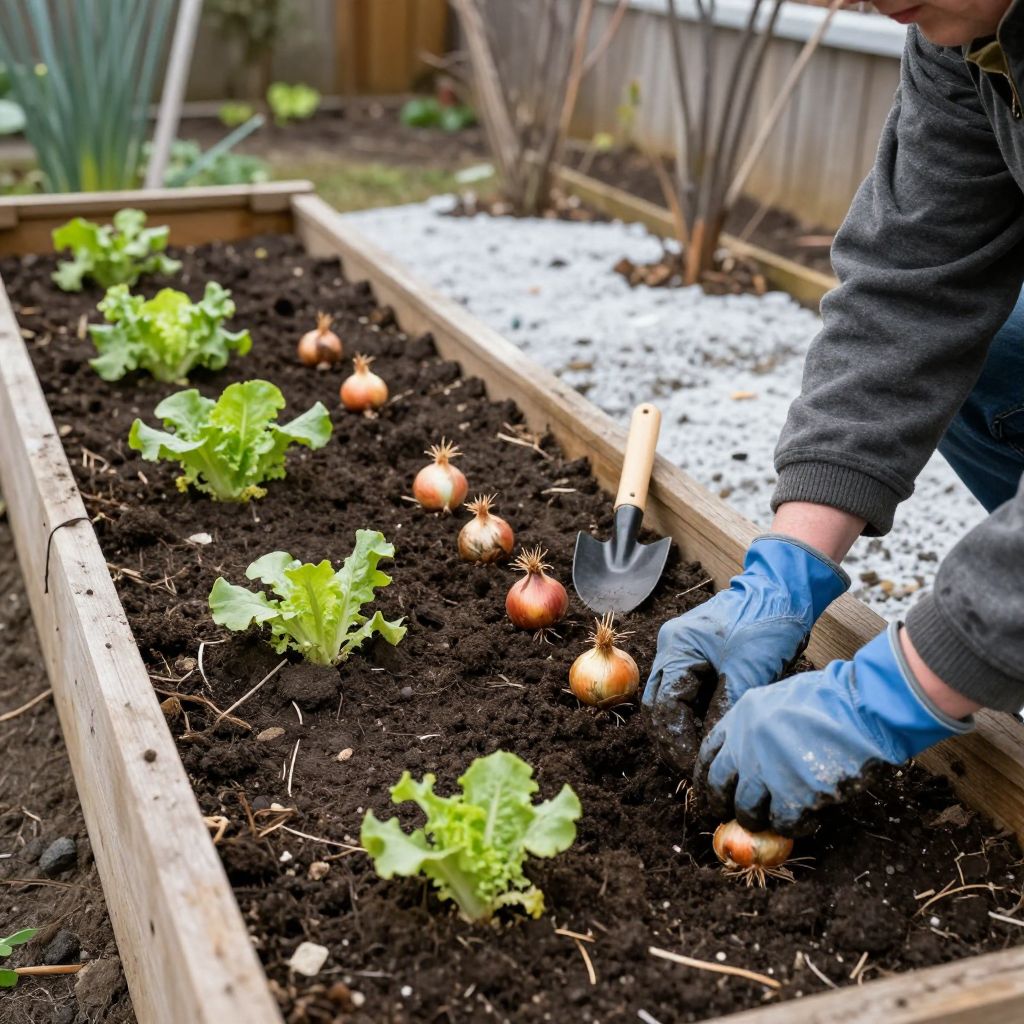
Wondering what to plant in January? The answer depends on your climate, but January is often a useful month for sowing cool-season crops, starting seeds indoors, planting bare-root trees and shrubs in mild regions, and planning the rest of the growing year.
Because weather varies so much, the best January planting choices are the ones that match your local temperatures, soil condition, and frost risk. Use this month to plant what can handle cool conditions, protect tender growth, and prepare beds for stronger spring results.
What to plant in January?
In January, you can usually plant cool-season vegetables, hardy herbs, bare-root fruit trees and shrubs, and some perennials in mild climates. In colder areas, focus on indoor seed starting, greenhouse sowing, and soil preparation instead of planting outdoors. Always check your local frost dates and soil temperature first.
Best things to plant in January by garden type
Outdoor vegetables for mild winter regions
If your soil is workable and not waterlogged, January can still be a productive sowing month outdoors in mild climates. Choose crops that germinate and grow well in cool weather.
- Broad beans (fava beans)
- Peas, especially early or hardy varieties
- Spinach
- Winter lettuce and leaf lettuce
- Radishes
- Carrots in sheltered areas
- Turnips
- Spring onions
- Garlic, if not already planted in autumn
These crops prefer cool conditions and often bolt or struggle once heat arrives, so January sowing can give you an early start where winters are gentle.
Indoor seeds to start in colder climates
Where frost and frozen soil make outdoor planting unrealistic, January is an excellent time to start seeds indoors. This is especially helpful for slow-growing crops that need a long season.
- Onions and leeks
- Celery and celeriac
- Early brassicas such as cabbage and kale
- Slow-growing flowers like pelargoniums and some bedding plants
- Tomatoes only if you can provide strong light and enough warmth, and if your season is long enough
Seedlings started too early without enough light often become leggy, so only sow what you can support with bright windowsill light or grow lights.
Bare-root trees, shrubs, and fruit plants
January is often a good month for planting bare-root plants while they are dormant, especially in regions where the ground is not frozen. This includes fruit trees, berry bushes, hedging plants, and ornamental shrubs.
- Apple, pear, plum, and cherry trees
- Raspberries, blackberries, and currants
- Roses
- Deciduous shrubs and hedges
Planting while dormant helps roots settle before spring growth begins, but avoid planting if the soil is frozen, saturated, or heavily compacted.
Perennials and bulbs in mild areas
Some perennials can be planted in January in milder regions if the ground is workable. You may also be able to plant late bulbs or divide established clumps when conditions are suitable.
- Hardy perennials in mild, frost-light gardens
- Snowdrops “in the green” after flowering, where available
- Some summer-flowering bulbs in frost-free areas
For most gardeners, though, January is more about maintenance and planning than heavy planting outdoors.
How to choose what to plant based on your climate
Cold winter climates
If your garden is regularly frozen or snow-covered, outdoor planting is limited. Focus on indoor seed starting, checking stored tubers and bulbs, and preparing beds for spring.
Good January tasks include sowing onions, leeks, and slow crops indoors, pruning dormant fruit trees where appropriate, and ordering seeds before spring demand increases.
Mild or maritime climates
If winters are cool but not severe, January can be a real planting window. You may be able to sow hardy vegetables outdoors, plant bare-root stock, and continue harvesting winter crops.
In these regions, the main challenge is excess rain rather than deep cold, so drainage matters as much as temperature.
Warm winter climates
In frost-free or near-frost-free areas, January may feel more like an extension of autumn. You can often plant cool-season vegetables, herbs, and many ornamentals, but you should still avoid planting heat-loving crops too early unless your local conditions support them.
Watch for sudden cold snaps, and keep row cover or fleece ready for tender seedlings.
Soil, drainage, and bed preparation in January
January planting succeeds when the soil is in good condition. Cold, wet soil can damage roots, compact easily, and slow establishment, so preparation matters as much as the plant choice.
- Test soil moisture first: if it sticks heavily to your boots or tools, wait.
- Check drainage: water should soak in rather than sit on the surface.
- Add compost: a thin layer worked into the topsoil improves structure and feeds soil life.
- Avoid digging frozen ground: it breaks structure and is hard on both you and the bed.
For raised beds, January is often easier than in-ground planting because they warm and drain faster. If your soil is heavy clay, raised beds or mounded rows can make a major difference.
How to plant in January successfully
For direct sowing outdoors
- Choose a sheltered site with as much winter sun as possible.
- Clear weeds and remove debris so seedlings are not competing for light and moisture.
- Rake the soil to a fine, crumbly texture.
- Sow seeds at the depth listed on the packet, usually shallow for small seeds.
- Firm the soil gently and water lightly if the bed is dry.
- Protect the row with fleece, cloches, or mesh if frost, birds, or pests are a risk.
Keep sowings small and staggered if weather is unpredictable. That way, one bad spell will not wipe out your entire crop.
For indoor seed starting
- Use clean trays or pots with drainage holes.
- Fill with a fine seed-starting mix, not heavy garden soil.
- Sow seeds at the recommended depth and label everything clearly.
- Keep the compost evenly moist, not saturated.
- Place trays in bright light and steady warmth appropriate to the crop.
- Move seedlings on promptly once they have true leaves and roots are filling the container.
Light is the biggest indoor challenge in January. If seedlings stretch toward the window, they need more brightness or a grow light placed close enough to be effective.
For bare-root planting
Bare-root plants should be planted as soon as possible after purchase. Soak roots briefly if needed, spread them out in the planting hole, and backfill with fine soil so there are no air pockets.
Water thoroughly after planting, then mulch around the base without piling mulch against the stem or trunk.
Watering and frost protection
Winter planting is easy to overwater. Cold soil holds moisture longer, and roots need air as much as water.
- Water after planting to settle soil around roots.
- After that, water only when the soil begins to dry and the weather is mild enough.
- Avoid watering frozen ground, since runoff can waste water and increase stress.
- Use mulch to reduce temperature swings and protect roots.
If frost is expected, cover tender seedlings or newly planted crops with fleece, a cloche, or a low tunnel. Remove or vent covers during milder days so condensation does not encourage disease.
Common mistakes to avoid in January
- Planting into frozen or saturated soil, which can rot roots or compact the bed.
- Sowing too early indoors without enough light.
- Choosing warm-season crops that will fail in cold conditions.
- Overwatering seedlings and winter beds.
- Ignoring local frost dates and microclimates.
- Forgetting to protect young plants from wind, birds, and sudden cold snaps.
Another common mistake is assuming January is the same everywhere. A sheltered coastal garden, a frosty inland plot, and a sunny frost-free patio all need different planting choices.
What to harvest and maintain in January
January is not only for planting. It is also a good month to harvest winter crops and maintain the garden so spring planting goes more smoothly.
- Harvest kale, leeks, Brussels sprouts, winter lettuce, and root crops where available.
- Remove dead, diseased, or damaged stems from beds.
- Check stored tubers, bulbs, and produce for rot or shriveling.
- Clean pots, trays, and tools before the busy season starts.
- Prune only plants that are suitable for winter pruning in your region.
Good housekeeping in January reduces pest and disease carryover and helps you spot problems before they spread.
Pests and diseases to watch for
Even in winter, pests and diseases can appear, especially in protected spaces and mild climates. Slugs, snails, aphids in sheltered spots, and fungal problems in damp conditions are common concerns.
- Check under cloches and fleece for slug damage.
- Inspect seedlings for damping off, which is often linked to too much moisture and poor airflow.
- Vent greenhouses and cold frames on mild days to reduce condensation.
- Remove infected leaves promptly rather than composting them if disease is active.
Good airflow, clean tools, and careful watering prevent many January problems before they start.
Simple January planting plan
If you want a practical way to decide what to do this month, use this simple approach:
- Check your local frost forecast and soil condition.
- Plant hardy crops outdoors only if the ground is workable.
- Start long-season crops indoors if you have enough light and warmth.
- Plant bare-root trees and shrubs while dormant in mild, unfrozen conditions.
- Protect anything newly planted from frost, wind, and excess moisture.
This keeps your January work realistic and avoids wasting seed, time, and space on plants that are not ready for your conditions.
Conclusion
When you ask what to plant in January, the best answer is: choose plants that suit cool weather, dormant planting, or indoor starts, and let your local climate decide the rest. Focus on hardy vegetables, bare-root stock, and careful soil preparation, then protect young growth from frost and wet conditions.
For more seasonal help, you may also find it useful to read about what to plant in February and how to prepare garden soil for spring planting.