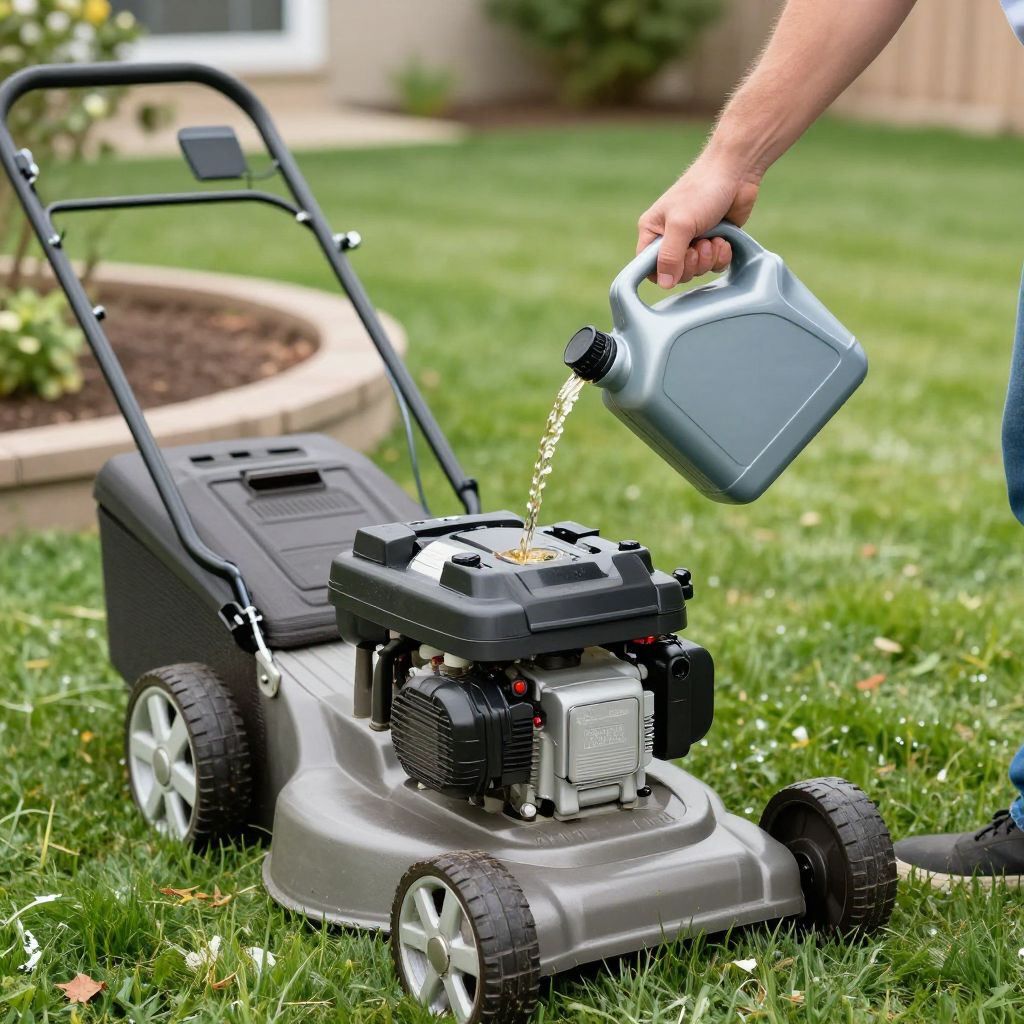
Do lawn mowers take regular gas? In most cases, yes—many four-stroke lawn mowers are designed to run on fresh regular unleaded gasoline. The key is using the right fuel for your specific mower, keeping it clean, and avoiding old gas that can cause hard starting, rough running, or engine damage.
If you’ve ever had a mower sputter, stall, or refuse to start after sitting in the shed, fuel is often the first thing to check. Knowing what kind of gas your mower needs can save time, protect the engine, and make seasonal lawn care much easier.
Do lawn mowers take regular gas?
Yes, most modern four-stroke lawn mowers take regular unleaded gas, usually with up to 10% ethanol if the owner’s manual allows it. The safest choice is fresh fuel from a reliable source. If your mower is a two-stroke model, it does not use straight gas—it needs a gas-and-oil mix.
What kind of gas does a lawn mower need?
The right fuel depends on the engine design. Before refueling, check the owner’s manual or the label near the fuel cap. That small step matters because the wrong fuel can shorten engine life and create starting problems.
Four-stroke mowers
Most walk-behind push mowers and many riding mowers use four-stroke engines. These typically run on fresh regular unleaded gasoline with no added oil in the fuel.
Two-stroke mowers
Some older or specialty trimmers and small mowers use two-stroke engines. These require a precise fuel-oil mixture, often sold as premixed fuel or mixed according to the manufacturer’s ratio. Never pour straight gas into a two-stroke engine unless the manual specifically says otherwise.
Ethanol and fuel quality
Many gas stations sell E10 fuel, which contains up to 10% ethanol. This is commonly acceptable for lawn mowers, but ethanol can absorb moisture and degrade faster than pure gasoline. If possible, use fuel that is fresh and intended for small engines, especially if the mower sits unused for weeks at a time.
How to choose the right gas for your mower
Choosing fuel is less about chasing the highest octane and more about matching the engine’s needs. In most home lawns, regular unleaded is the correct and economical choice.
- Use fresh fuel whenever possible.
- Choose regular unleaded unless the manual says otherwise.
- Avoid fuel that has been stored for a long time in a can or tank.
- Use a clean, approved gas can to reduce contamination.
- For seasonal storage, consider a fuel stabilizer if the manufacturer recommends it.
Higher-octane gas usually does not improve mower performance unless the engine specifically requires it. For most lawn mowers, the important factor is fuel freshness, not premium grade.
Why old gas causes mower problems
Gasoline begins to break down over time, especially when exposed to air, heat, and moisture. In a lawn mower, stale fuel can clog the carburetor, gum up small passages, and make the engine hard to start.
Common symptoms of stale gas
- Engine starts and then dies
- Rough idling or surging
- Hard starting after storage
- Loss of power while cutting
- Strong sour smell from the fuel tank
If your mower has been sitting since last season, stale fuel is one of the first problems to rule out. Draining old gas and replacing it with fresh fuel often solves minor starting issues.
How to fuel a lawn mower safely
Good fueling habits help keep the mower reliable and reduce fire risk. A few simple steps make a big difference.
- Turn the mower off and let the engine cool completely.
- Move the mower outdoors or to a well-ventilated area.
- Use clean, fresh unleaded gas in the correct engine type.
- Fill slowly to avoid spills and do not overfill the tank.
- Wipe up any spilled fuel before starting the engine.
- Secure the fuel cap firmly after refueling.
Never refuel a hot mower. Gasoline vapors can ignite if they meet a hot engine or spark.
Seasonal fuel care for better mower performance
Lawn mower fuel needs change with the season, especially if you mow less often in cooler weather or during dry periods. A little planning prevents spring startup headaches.
During the mowing season
Keep only a small amount of fuel on hand if you mow regularly. Fresh fuel is easier to manage than large quantities stored for long periods. If you refill a gas can, label the date so you know how long it has been sitting.
Before winter storage
If your mower will not be used for several months, you have two common options: use up the fuel before storage or follow the manufacturer’s instructions for stabilizing and storing it. Many small-engine problems begin when old fuel is left in the tank and carburetor over winter.
When spring starts
At the start of the mowing season, inspect the fuel before you try to start the mower. If it smells sour, looks cloudy, or has been stored for a long time, replace it with fresh gas rather than trying to run it through the engine.
Common mistakes to avoid
Most fuel-related mower issues come from a few preventable errors. Avoiding them saves repair time and helps the engine last longer.
- Using old gasoline that has been sitting too long
- Mixing oil into a four-stroke engine’s fuel tank
- Ignoring the owner’s manual for fuel recommendations
- Overfilling the tank and spilling fuel on hot parts
- Using dirty containers that introduce debris or water
- Leaving fuel in the mower for long storage without a plan
Another common mistake is assuming all small engines use the same fuel. Trimmers, chainsaws, and two-stroke equipment may need a different fuel mix than your mower.
Troubleshooting fuel-related mower problems
If your mower won’t start or runs poorly, fuel is only one possible cause, but it is often the easiest to check first. Start with the simplest fixes before moving to more involved repairs.
If the mower won’t start
- Check whether the tank has fresh fuel.
- Make sure the fuel valve, if present, is open.
- Confirm the spark plug wire is connected.
- Look for a clogged air filter.
- Drain stale gas and refill with fresh fuel if needed.
If the mower starts but stalls
- Old fuel may be blocking the carburetor.
- The fuel cap vent may be clogged.
- The air filter may be dirty enough to restrict airflow.
- The blade or deck may be overloaded by very tall, wet grass.
If fresh fuel does not solve the problem, the carburetor may need cleaning or service. That is especially common after a mower has been stored with old gas inside it.
How mowing conditions affect engine performance
Fuel is important, but mowing conditions also influence how hard the engine works. Thick, wet, or overgrown grass can make a mower strain, even when the gas is correct.
- Mow when grass is dry if possible.
- Cut no more than about one-third of the grass blade at a time.
- Keep the blade sharp so the engine does not work harder than necessary.
- Clean clippings from the deck after mowing to maintain airflow.
When the mower is overloaded by heavy grass, it may seem like a fuel problem. In reality, the engine may simply be working too hard for the conditions.
Should you use fuel stabilizer?
Fuel stabilizer can help slow gasoline breakdown during storage, but it is not a cure for very old fuel. It works best when added to fresh gasoline before storage, not after the gas has already gone bad.
If you live in a climate with a long off-season, stabilizer may be useful for your mower. Still, you should follow the product label and your mower manual rather than guessing at the amount.
Simple mower fuel checklist
Before each mowing season, run through this quick checklist to keep your mower ready:
- Confirm whether your mower uses straight gas or a fuel mix
- Empty or replace old fuel
- Use clean, fresh regular unleaded gas if approved
- Inspect the fuel cap and tank for leaks
- Check the air filter and spark plug
- Store fuel in a sealed, approved container
Conclusion
So, do lawn mowers take regular gas? In most cases, yes—fresh regular unleaded fuel is exactly what a typical four-stroke mower needs. The real key is matching the fuel to your engine type, avoiding stale gas, and storing fuel properly between mowing sessions.
If you want to keep your mower running smoothly, check the manual, replace old fuel, and make fuel care part of your regular lawn maintenance routine. For more help with mower maintenance, you may also want to read what kind of oil a lawn mower takes.