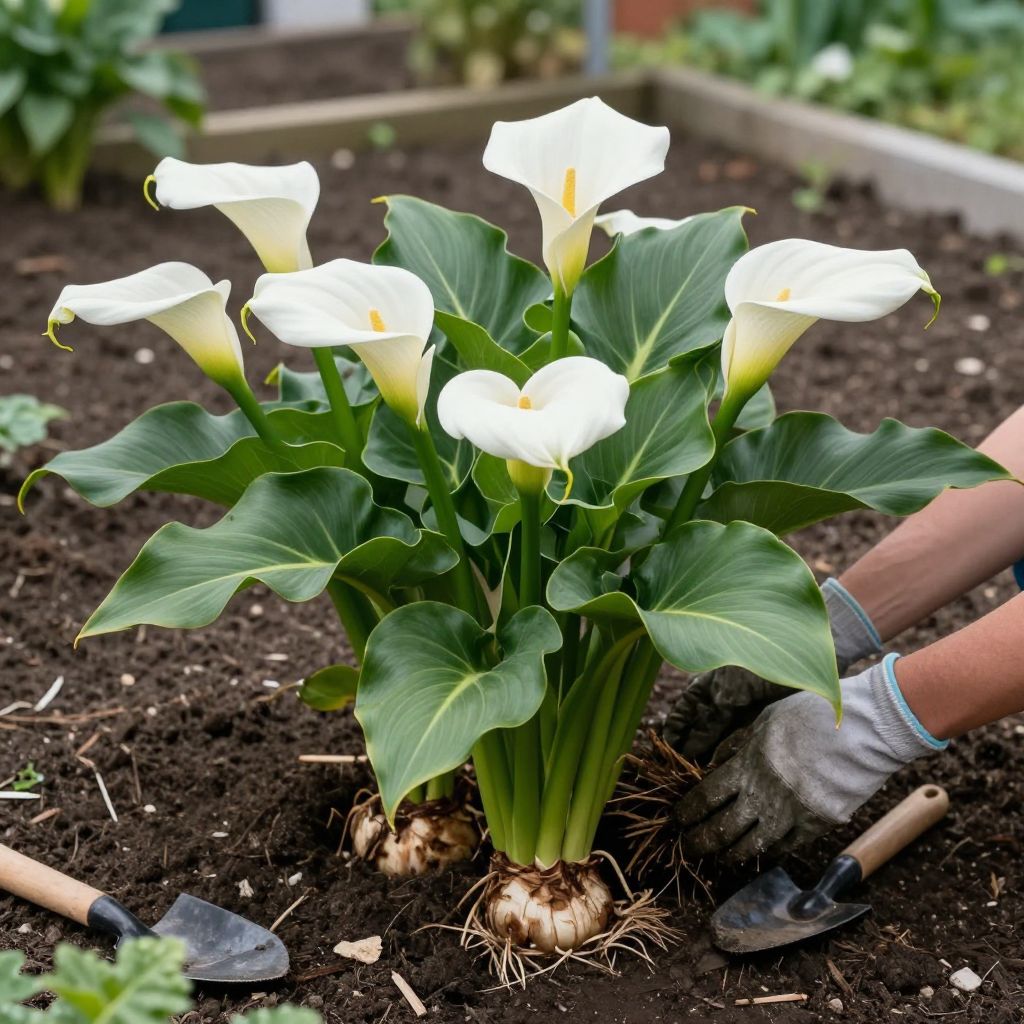
Are calla lilies annuals or perennials? The short answer is that calla lilies are usually perennials in warm climates, but many gardeners grow them as annuals in colder areas or lift the rhizomes for winter storage. Their long-lasting blooms and elegant foliage make them worth understanding before you plant them.
The key is knowing that “calla lily” often refers to Zantedeschia, a tender perennial rather than a true lily. If you match the plant to your climate and give it the right soil, water, and seasonal care, you can enjoy it year after year—or treat it as a seasonal bedding plant where winters are too cold.
Are Calla Lilies Annuals Or Perennials?
Calla lilies are perennial rhizomatous plants in frost-free or mild-winter climates, where their underground rhizomes survive and regrow each season. In cold regions, they are often grown as annuals unless you dig up and store the rhizomes indoors before frost. Their lifespan depends more on winter temperature than on the plant itself.
What Determines Whether Calla Lilies Come Back?
Whether calla lilies return next year depends on how cold your winters get, how well the soil drains, and whether the rhizomes stay healthy during dormancy. In the ground, they need protection from freezing temperatures. In containers, they can be moved indoors more easily, which often improves their survival.
Climate matters most
- Warm climates: Calla lilies can behave like true perennials outdoors.
- Cold climates: Frost can damage or kill the rhizomes if left in the ground.
- Container growing: Pots let you control winter storage and moisture more easily.
Soil and drainage matter too
Even in mild climates, calla lilies dislike soggy soil. Poor drainage can rot the rhizomes and shorten the plant’s life. A loose, moisture-retentive but well-drained soil is ideal, especially if you want the plant to return reliably.
How To Grow Calla Lilies For Repeat Blooming
If you want calla lilies to act like perennials, give them conditions that support strong rhizomes. They grow best in rich, evenly moist soil, with bright light and protection from harsh afternoon sun in hot areas. Good care during the growing season helps the plant store energy for the next cycle.
Planting basics
- Choose a site or pot with excellent drainage.
- Work in compost to improve soil structure and moisture retention.
- Plant rhizomes in spring after frost risk has passed in your area.
- Set them at the depth recommended for the size of the rhizome, usually a few inches deep.
- Water thoroughly after planting, then keep the soil lightly moist as growth begins.
Light requirements
Calla lilies usually perform best in full sun to partial shade, depending on your climate. In cooler regions, more sun often encourages stronger flowering. In hot climates, afternoon shade helps prevent leaf scorch and wilting.
Watering correctly
These plants like consistent moisture during active growth, but not waterlogged conditions. Water when the top layer of soil begins to dry slightly. If grown in containers, check pots more often because they dry out faster than garden beds.
Should You Treat Calla Lilies As Annuals?
Yes, in many climates it makes practical sense to treat calla lilies as annuals. If your winters are hard or your garden soil stays wet and cold, replanting each spring may be easier than overwintering them. This is common for gardeners who want a simple seasonal display without storage work.
When annual growing makes sense
- Your area has regular frost or freezing winters.
- Your soil is heavy clay and drains poorly.
- You prefer fresh planting each season.
- You are using calla lilies in mixed containers or temporary displays.
Benefits of growing them as annuals
Annual treatment can reduce winter losses and simplify care. You can enjoy flowers through the warm season, then compost the plants or save the rhizomes if you want to try again next year.
How To Overwinter Calla Lily Rhizomes
If you want your calla lilies to return, lifting and storing the rhizomes is often the most reliable method in cold climates. This is especially useful for container plants, which can be moved indoors before the first frost.
Step-by-step overwintering
- Stop heavy watering as the plant naturally begins to slow down.
- After foliage yellows and dies back, cut stems down.
- Lift rhizomes carefully from the soil or remove them from the pot.
- Brush off excess soil and let them dry in a cool, airy place for a few days.
- Store them in dry peat, vermiculite, or paper in a cool, frost-free location.
- Check occasionally for rot or shriveling during storage.
Storage conditions to aim for
Keep stored rhizomes in a place that is cool, dry, and protected from freezing. Avoid damp basements or sealed plastic containers that trap moisture, since excess humidity can lead to rot.
Seasonal Care For Healthy Calla Lilies
Calla lilies have a growth cycle that changes through the year. Understanding that cycle helps you avoid common mistakes like overwatering dormancy or expecting constant bloom during the off-season.
During active growth
- Keep soil evenly moist.
- Feed lightly with a balanced fertilizer if your soil is poor, following product directions.
- Remove spent blooms to keep the plant tidy.
- Watch for pests and disease, especially in crowded or humid conditions.
As flowering slows
When blooms fade and leaves begin to yellow, the plant is often entering dormancy. Reduce watering gradually rather than keeping the soil wet. This helps the rhizome rest without rotting.
After dormancy begins
Do not assume the plant has died just because the leaves disappear. Calla lilies commonly go dormant after flowering, especially in warm, dry conditions or after a seasonal change. Mark the planting spot so you don’t disturb the rhizomes by accident.
Common Problems That Affect Whether Calla Lilies Return
Several issues can prevent calla lilies from behaving like perennials. Most of them are related to moisture, temperature, or planting depth rather than the plant being “weak.”
1. Rhizome rot
Rot is one of the biggest threats. It usually happens when soil stays too wet or drainage is poor. If the rhizome turns soft or smells bad, it may not recover.
2. No flowers
Calla lilies may produce leaves but few or no blooms if they receive too much shade, too much nitrogen, or are overcrowded. They also need enough stored energy from the previous season to flower well.
3. Frost damage
A sudden cold snap can kill foliage and injure rhizomes. If frost is expected, protect plants in the ground with mulch or dig them up if your climate is too cold for overwintering outdoors.
4. Weak or yellowing leaves
Yellow leaves can signal overwatering, poor drainage, or natural dormancy. Check the soil before assuming the plant needs more water. If the soil is wet and the plant is fading, back off watering immediately.
Pests And Diseases To Watch For
Calla lilies are not usually high-maintenance, but they can still be affected by a few common garden problems. Catching them early helps protect the rhizomes and keeps the plant vigorous from year to year.
Common pests
- Aphids: Often cluster on new growth and flower stems.
- Spider mites: More likely in hot, dry conditions.
- Slugs and snails: Can chew leaves, especially in damp gardens.
Common diseases
- Soft rot: Usually linked to excess moisture and poor drainage.
- Leaf spots: Can appear in humid conditions or where foliage stays wet.
Practical prevention
Space plants so air can move around them, avoid wetting the foliage late in the day, and remove damaged leaves promptly. If you grow in containers, make sure pots have drainage holes and never let them sit in standing water.
Propagation And Division
One reason calla lilies are valued as perennials is that healthy rhizomes can be divided and replanted. Division helps rejuvenate crowded plants and gives you more plants without starting from seed.
When to divide
Divide rhizomes when the plant is dormant or just before active growth begins, depending on your climate and storage method. Choose firm, healthy rhizomes and discard any that are soft or diseased.
How to divide safely
- Lift the rhizomes carefully.
- Separate them into sections with at least one growing point if possible.
- Let cut surfaces dry briefly before replanting or storing.
- Replant in fresh, well-drained soil or store them for later planting.
Best Uses In The Garden
Calla lilies work well in borders, containers, patio pots, and waterwise summer displays where soil drainage is good. Their bold leaves and elegant flowers make them useful as focal plants or accents among softer-textured companions.
Where they fit best
- Mixed containers with other moisture-loving plants
- Bright borders with afternoon shade in hot climates
- Entryway pots where you can enjoy the blooms up close
- Seasonal beds that can be replanted each year in cold regions
Quick Guide: Annual Or Perennial Care Decision
If you are still deciding how to grow them, use this simple rule: grow calla lilies as perennials where winters are mild, and as annuals or lifted rhizomes where frost is a problem. That choice will save you frustration and improve your chances of getting flowers again next season.
- Choose perennial care if your winters are mild and soil drains well.
- Choose annual care if frost is severe or the site is too wet.
- Choose container growing if you want flexibility and easier winter protection.
Conclusion
So, are calla lilies annuals or perennials? They can be either, depending on your climate and how you handle the rhizomes. Give them rich, well-drained soil, steady moisture during growth, and protection from frost, and you can often keep them coming back.
If you want to keep learning, look for more guidance on growing bulbs and rhizomes in containers and choosing the right soil for flowering plants so your calla lilies have the best chance to thrive year after year.