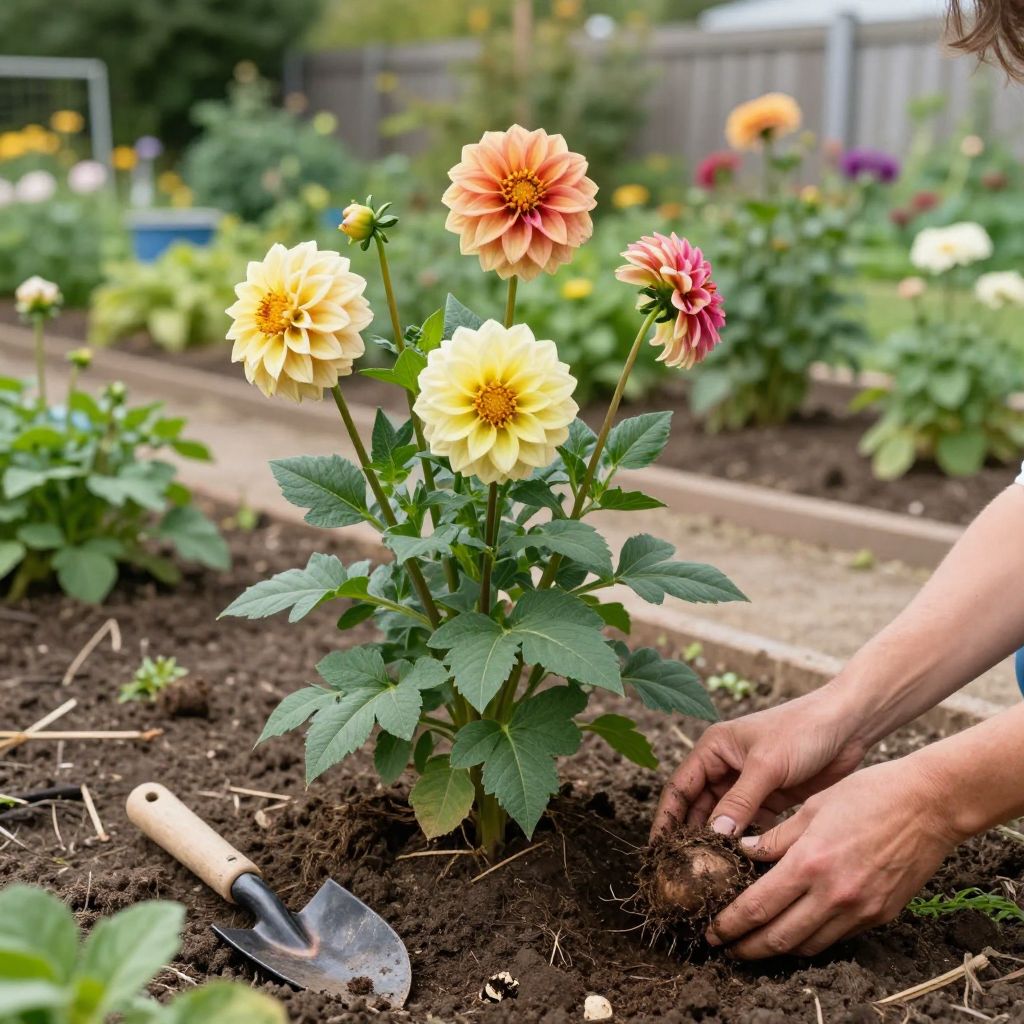
Are dahlias annuals or perennials? The short answer is that dahlias are tender perennials in warm climates, but many gardeners grow them as annuals because the tubers will not survive freezing winters outdoors. Whether yours return next year depends mostly on your climate, soil drainage, and whether you lift and store the tubers.
That means dahlias can behave like either plant type in the garden. If you understand how they grow and what winter conditions they can handle, you can enjoy bigger blooms, better tuber survival, and a stronger display year after year.
Are dahlias annuals or perennials?
Dahlias are perennial plants by nature, but they are not reliably winter-hardy in most cold climates. In frost-free or mild areas, the tubers can stay in the ground and regrow each season. In colder regions, gardeners usually treat dahlias as annuals or dig and store the tubers before hard frost.
Why dahlias act like annuals in many gardens
Dahlias grow from fleshy underground tubers, not true bulbs. Those tubers store energy for the next season, but they are damaged by freezing soil and by wet, cold winter conditions. Even where winters are only moderately cold, poor drainage can rot the tubers before spring.
What “tender perennial” means
- Perennial: the plant can live for multiple years.
- Tender: it cannot tolerate hard frost or frozen soil.
- Annual-like behavior: in cold climates, the plant dies back each winter unless the tubers are lifted and protected.
How to tell if your dahlias will come back next year
The biggest factor is your local winter climate. If your ground freezes hard, dahlias usually need extra protection or indoor storage. If winters are mild and the soil drains well, they may survive in the ground and return on their own.
Conditions that improve overwintering
- Mild winters with little or no hard frost
- Well-drained soil that does not stay soggy
- A sheltered planting site away from standing water
- Mulch used as light insulation in borderline climates
Conditions that increase winter loss
- Frozen ground for long periods
- Heavy clay soil that holds water
- Low spots where water collects
- Tubers left in cold, wet soil after the tops die back
Growing dahlias well during the season
Whether you plan to lift the tubers or leave them in the ground, dahlias need the same basic care during the growing season: warmth, sun, rich soil, and consistent moisture without waterlogging. Strong plants are more likely to form healthy tubers for next year.
Sunlight and site selection
Dahlias bloom best in full sun, usually at least 6 to 8 hours a day. In very hot climates, a little afternoon shade can help reduce stress and flower scorch.
Soil and drainage
Plant dahlias in fertile, loose soil that drains well. If your soil is heavy, improve it with compost and consider raised beds or mounded planting areas so the tubers are not sitting in wet ground.
- Work in compost before planting to improve structure.
- Avoid fresh manure, which can encourage leafy growth at the expense of flowers.
- Do not plant in compacted or waterlogged soil.
Watering
Water deeply after planting and keep the soil evenly moist once growth starts, but never saturated. Dahlias dislike drought stress, yet their tubers can rot if the soil stays wet for long periods.
A good rule is to check the top few inches of soil and water when it begins to dry, adjusting for rainfall, heat, and soil type. Containers dry faster than garden beds and need closer attention.
Staking and support
Many dahlias grow tall and benefit from support. Install stakes or cages early, before the plant becomes large, so you do not damage the tubers later.
- Use a sturdy stake for each plant or a strong support ring.
- Secure stems loosely with soft ties.
- Check supports after wind or heavy rain.
Should you leave dahlia tubers in the ground?
In warm climates, you can often leave tubers in place if the soil drains well and winters are mild. In colder areas, lifting and storing the tubers is usually the safer choice. The decision is less about the calendar and more about your frost risk and soil conditions.
When leaving them in the ground makes sense
- Your area has mild winters with little freezing
- Your soil drains quickly
- You can mulch lightly for extra protection
- You are willing to accept some winter loss in borderline climates
When lifting tubers is better
- Your area gets hard frost or frozen soil
- You have heavy, wet soil
- You want to save named cultivars for next year
- You need more control over winter survival
How to dig and store dahlia tubers
If you want your dahlias to return, lifting the tubers before hard frost is often the most reliable method. Wait until the foliage is blackened by frost or the plant has naturally slowed, then dig carefully so the tubers are not cut or bruised.
Step-by-step lifting guide
- Cut stems back to a few inches above the soil.
- Loosen the soil with a spade or fork a safe distance from the crown.
- Lift the clump gently and avoid pulling on the stems.
- Shake off excess soil and let the tubers dry in a sheltered, airy place.
- Store them in a medium that helps prevent shriveling, such as dry peat-free potting material, vermiculite, or wood shavings if appropriate for your setup.
- Keep them in a cool, dark, frost-free location with moderate humidity.
Important: Tubers that are too wet can rot, while tubers that are too dry can shrivel. Check them occasionally through winter and remove any soft or moldy pieces.
Common storage mistakes
- Storing tubers while still damp
- Keeping them in a warm room
- Letting them freeze in an unprotected shed or garage
- Forgetting to label varieties
Can you grow dahlias from tubers every year?
Yes. That is the usual way to keep dahlias going from season to season. Each tuber clump can produce new shoots in spring, and you can divide healthy clumps if they have at least one viable growing point, often called an “eye.”
Division basics
Division is easiest when the tubers are dry enough to handle and the eyes are visible. Use a clean, sharp knife or pruners, and make sure each section has at least one eye and a firm tuber attached.
- Discard soft, hollow, or rotten tubers.
- Do not divide every clump into tiny pieces.
- Let cut surfaces dry before storage or replanting.
How to start dahlias in spring
Replant tubers after the danger of hard frost has passed and the soil has warmed enough for active growth. Cold, wet soil slows sprouting and increases rot risk, so patience matters more than planting early.
Spring planting tips
- Choose a sunny, sheltered spot.
- Set tubers in loose, well-drained soil.
- Plant at the depth recommended for your variety and local conditions, usually shallow enough to avoid burying the crown too deeply.
- Water lightly until shoots appear, then increase moisture as growth accelerates.
If you started tubers indoors or in pots, harden them off gradually before moving them outside. Sudden exposure to wind, cold nights, and intense sun can set them back.
Common dahlia problems and how to fix them
Dahlias are rewarding, but a few recurring issues can make them seem fussy. Most problems come from weather, water, or pests rather than the plant being difficult.
Yellowing leaves or weak growth
This can happen from poor drainage, nutrient imbalance, or inconsistent watering. Check the soil first, because soggy roots often cause symptoms that look like hunger.
Few flowers
Too much shade, excess nitrogen, or overcrowding can reduce blooming. Give the plant more sun, avoid overfeeding with high-nitrogen fertilizer, and pinch or deadhead as needed to encourage branching and repeat flowering.
Rotting tubers
Rot usually points to excess moisture, especially in storage or in heavy soil. Improve drainage, reduce watering, and inspect stored tubers regularly.
Slugs, earwigs, aphids, and other pests
Young shoots and buds can attract pests. Hand-pick where practical, keep the area tidy, and monitor new growth closely. Strong, healthy plants are less likely to suffer serious damage.
Pruning and deadheading for better performance
Removing spent flowers helps many dahlias keep blooming. It also keeps the plant looking tidy and can reduce the energy spent on seed production.
- Deadhead faded blooms back to a healthy leaf node.
- Pinch young plants early if you want bushier growth.
- Remove damaged stems after storms or disease.
So, are dahlias annuals or perennials for you?
Dahlias are perennials, but in many gardens they are treated as annuals because winter cold kills the tubers. If you want them to return, either grow them in a mild climate with good drainage or dig and store the tubers before frost. That one decision makes the biggest difference.
For more help with seasonal care, you may also want to read about how to overwinter tender garden plants and how to improve soil drainage for flowering perennials.