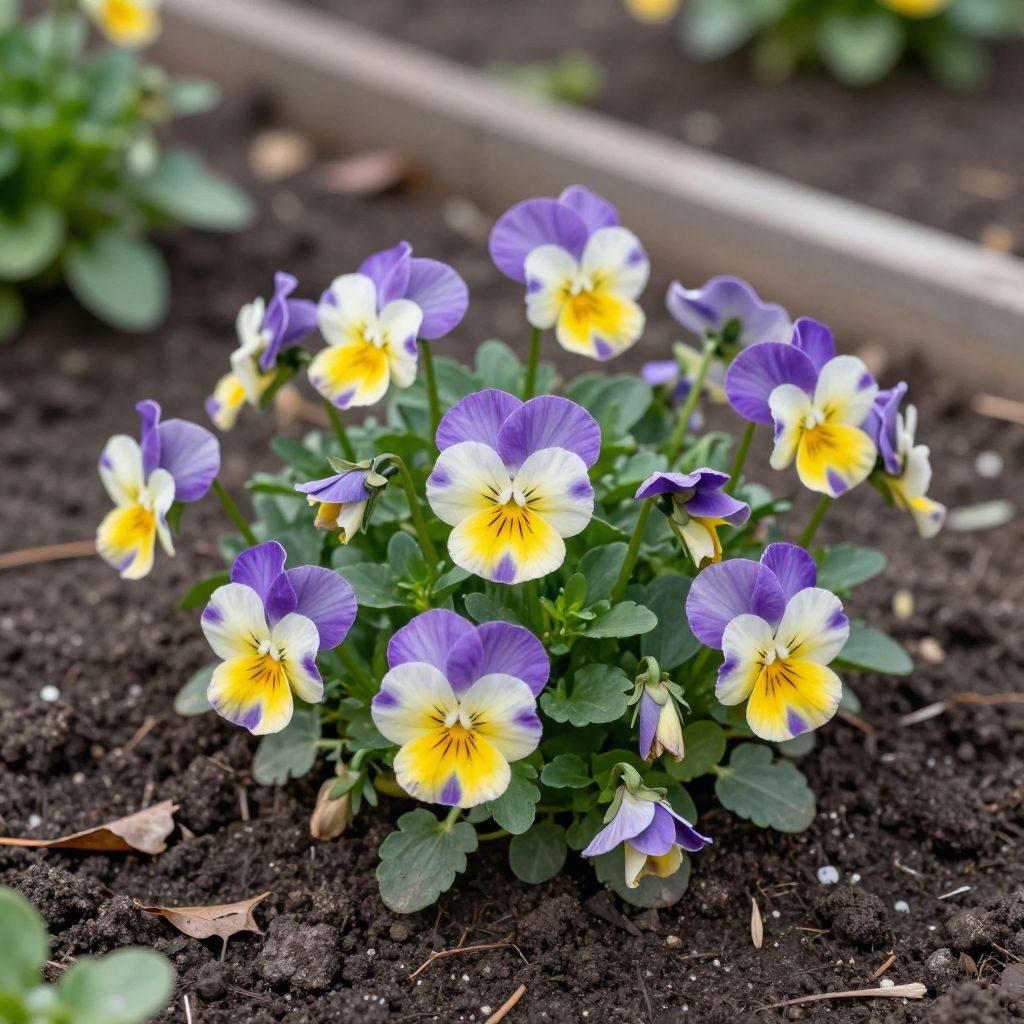
Are pansies perennials? The short answer is: sometimes, but not always in the way gardeners hope. Pansies are usually grown as cool-season annuals or short-lived perennials, depending on your climate, the variety, and how hot or cold your winters and summers are.
If you want them to keep blooming, the key is matching them to the right season and giving them cool temperatures, rich soil, and steady moisture. With good care, pansies can flower for a long stretch and may return in mild climates.
Are pansies perennials?
Pansies are technically short-lived perennials in some climates, but most gardeners treat them as annuals or biennials. In mild regions, they may survive winter and bloom again in spring; in hot summers or severe freezes, they usually decline and are replanted each season.
What determines whether pansies come back?
Whether pansies behave like perennials depends mostly on climate. They prefer cool weather, and their lifespan is shortened by heat, humidity, poor drainage, and repeated stress.
Climate matters most
- Cool, mild climates: Pansies often last longer and may overwinter.
- Hot climates: They usually fade as temperatures rise.
- Cold climates: They may survive winter if snow cover or mulch protects them, but hard freezes can kill them.
Variety and plant age matter too
Some pansies are bred for better heat or cold tolerance, but no pansy is a true “set it and forget it” perennial everywhere. Older plants often become leggy and bloom less, even if they survive.
How to grow pansies so they last longer
If you want the best chance of overwintering pansies or extending their bloom time, focus on cool conditions, fertile soil, and consistent care. Small mistakes, especially too much heat or soggy soil, can shorten their life quickly.
Plant in the right place
Pansies do best in full sun during cool weather and partial shade when temperatures rise. In warmer regions, morning sun and afternoon shade help reduce stress.
- Choose a spot with at least 4 to 6 hours of sun in cool seasons.
- Give afternoon shade if spring warms quickly in your area.
- Avoid low spots where water collects after rain.
Use well-drained, fertile soil
Pansies like soil that holds moisture without staying wet. A loose, compost-rich planting bed helps roots grow strongly and reduces rot.
- Work in compost before planting to improve texture and fertility.
- Make sure containers have drainage holes.
- Use a quality potting mix for pots and window boxes, not garden soil.
Water carefully
Keep the soil evenly moist, especially while plants are establishing and during dry spells. Letting pansies dry out too much can stop blooming, but constantly wet soil can damage roots.
- Water when the top layer of soil starts to dry.
- Water at the base of the plant if possible.
- Avoid splashing leaves late in the day, which can encourage disease.
Feed lightly for steady bloom
Pansies are moderate feeders. Too little nutrition can reduce flowering, but too much nitrogen can produce leafy growth with fewer blooms.
A balanced, slow-release fertilizer or a light compost top-dressing is usually enough for garden beds. In containers, nutrients wash out faster, so plants may need a gentler, more regular feeding plan based on the product label and your growing conditions.
How to keep pansies blooming longer
Deadheading and light grooming make a big difference. Pansies often keep producing flowers if you remove fading blooms before they set seed.
Deadhead regularly
- Pinch off spent flowers as soon as they fade.
- Remove the flower stem down to the first set of leaves if possible.
- Trim back any long, weak stems to encourage compact growth.
This helps the plant put energy into new buds instead of seed production. It also keeps the plant looking tidy in beds, borders, and containers.
Watch for heat stress
When temperatures climb, pansies often slow down or stop blooming. Leaves may yellow, flowers shrink, and plants can become floppy.
- Move containers to a cooler, brighter spot if possible.
- Mulch garden plants lightly to keep roots cooler.
- Remove tired plants when summer heat makes recovery unlikely.
Can pansies survive winter?
In many mild climates, yes. Pansies can survive winter and bloom again when temperatures rise, especially if they are planted in autumn and protected from harsh exposure.
Winter protection tips
- Apply a light mulch after the soil cools, not too early.
- Choose a sheltered site out of strong wind.
- Water during dry winter spells if the ground is not frozen.
In very cold areas, snow cover can help insulate plants, but repeated freeze-thaw cycles may still damage roots and crowns. If your winters are severe, treat pansies as seasonal color rather than dependable perennials.
Common problems that shorten pansy life
Most pansy failures come from stress rather than age alone. If your plants decline quickly, check growing conditions before assuming the variety is weak.
Too much heat
Heat is the most common reason pansies stop performing. Once warm weather settles in, many plants become sparse and tired even with good care.
Poor drainage
Soggy soil can lead to root and crown rot. If the plant wilts even when the soil is wet, drainage may be the problem.
Powdery mildew and leaf spots
These diseases are more likely when air circulation is poor or leaves stay wet. Spacing plants properly and watering at soil level helps reduce risk.
Aphids and slugs
- Aphids cluster on tender growth and buds; a strong spray of water or insecticidal soap may help.
- Slugs chew holes in leaves and flowers, especially in damp gardens; hand-picking and barriers can reduce damage.
Should you overwinter pansies or replace them?
That depends on your climate and your goal. If you want a neat spring display and your winters are mild, overwintering can be worthwhile. If plants look weak, stretched, or diseased, replacing them is often the better choice.
Good candidates for keeping
- Healthy plants with firm stems and plenty of buds
- Pansies growing in well-drained soil
- Plants in climates with cool, manageable winters
Better to replace
- Plants that are leggy and sparse
- Plants with repeated disease issues
- Pansies that have already struggled through heat stress
How to propagate pansies
If you want more plants, pansies can be grown from seed, though many gardeners buy transplants for convenience. Seed-grown plants may vary a bit from the parent plant, especially if you are saving seed from hybrids.
For home gardeners, the easiest approach is usually to start with healthy nursery plants and focus on keeping them vigorous. If you do sow seed, follow the packet instructions for timing and temperature, since pansies germinate best under cool conditions.
Practical care checklist
If you want the best chance of pansies lasting, use this simple routine:
- Plant them in cool weather.
- Give sun in cool seasons and some afternoon shade in warm ones.
- Use rich, well-drained soil.
- Keep moisture even, not soggy.
- Deadhead spent blooms often.
- Watch for heat, rot, aphids, and slugs.
- Replace plants when they become tired or weather makes them decline.
The bottom line
So, are pansies perennials? Sometimes, but only in the right climate and with the right care. In many gardens they are best treated as cool-season annuals, while in mild regions they may return for another flowering season.
If you want the longest display, plant pansies in cool weather, keep them evenly watered, deadhead often, and give them well-drained soil. For more seasonal color ideas, you may also want to read about cool-season flowers for the garden and container gardening tips for healthy blooms.