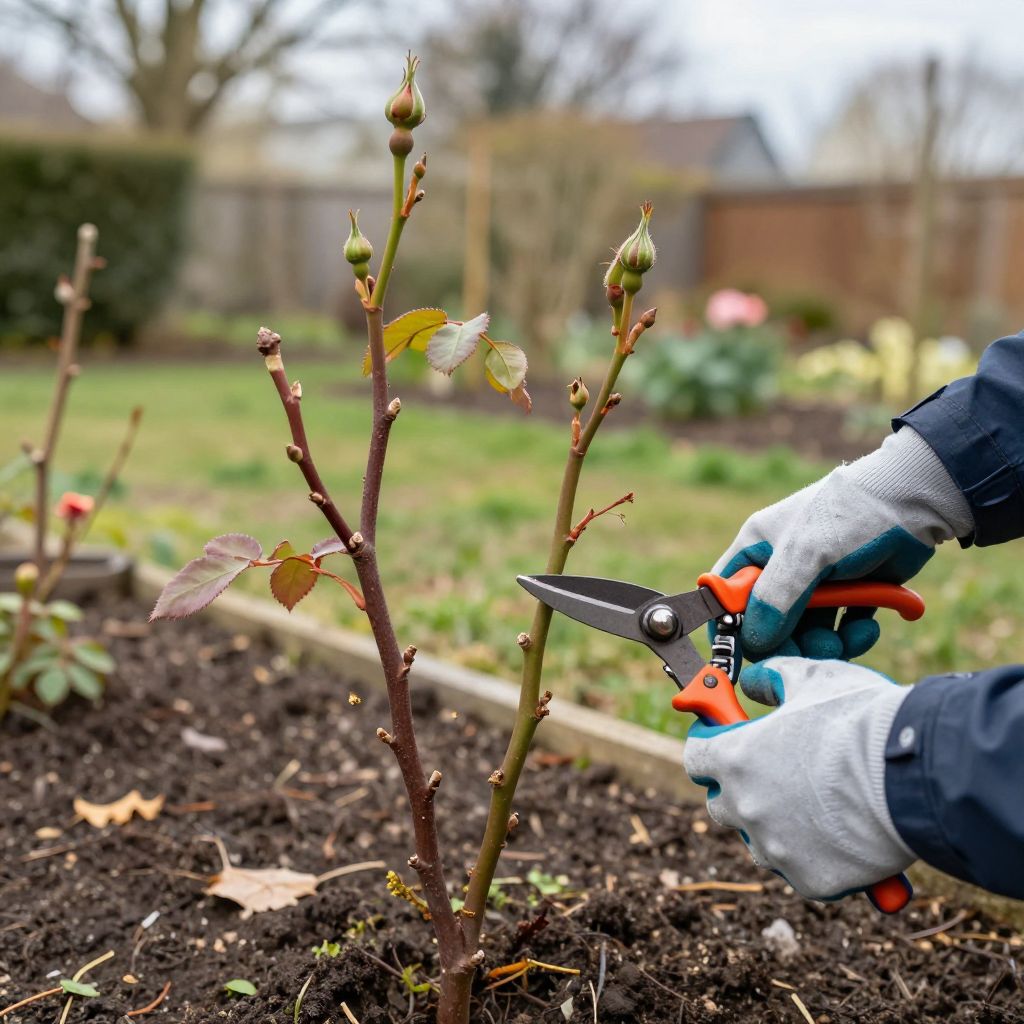
Wondering when to prune rose bushes without harming blooms or stressing the plant? The best time depends on your climate, the type of rose, and your goal—whether that is shaping the plant, removing dead wood, or encouraging stronger flowering. A little timing knowledge goes a long way with roses.
In most gardens, the main pruning happens in late winter or early spring, just as buds begin to swell but before vigorous new growth starts. Light cleanup pruning can be done any time of year, but heavy cuts are best timed to match your local weather and the rose’s growth cycle.
When to prune rose bushes?
Prune most rose bushes in late winter to early spring, after the worst cold has passed and before new growth is well underway. In mild climates, that may be January to February; in colder regions, it may be March to April. Remove dead, damaged, or crossing canes first, then shape the plant based on its type.
Why timing matters for rose pruning
Roses respond to pruning by pushing new growth from below each cut. If you prune too early in a cold climate, tender new shoots can be damaged by frost. If you prune too late, you may remove developing flower buds and delay blooming.
Good timing also helps you see the plant’s structure more clearly. When roses are still dormant or just waking up, it is easier to spot dead wood, weak stems, and canes that rub or crowd the center.
General timing by climate
- Cold climates: Wait until the risk of hard frost is mostly over and buds are beginning to swell.
- Mild climates: Prune in late winter, often a few weeks before spring growth accelerates.
- Very warm climates: Pruning may be done earlier, but avoid cutting hard during active heat or drought stress.
How to tell it is the right time
Look for swelling buds, green tissue beneath the bark, and the end of severe winter weather. If the canes are still fully dormant, that is usually fine. If new leaves are already expanding, you can still prune lightly, but heavy pruning may reduce early flowers.
Another clue is the condition of the plant. If winter has damaged canes, prune after you can clearly see what is alive and what is dead. A healthy cane should show green tissue inside when lightly scraped.
Signs a cane should be removed
- It is brown, black, or shriveled inside
- It feels brittle and snaps easily
- It is crossing through the center and causing crowding
- It shows disease spots, cankers, or dieback
- It is very thin and weak compared with the rest of the plant
Pruning roses by type
Not all roses should be pruned the same way. The best timing is similar for many types, but the amount you cut back depends on whether the rose blooms once or repeat-blooms, and whether it grows as a shrub, climber, or old garden rose.
Hybrid tea, floribunda, and grandiflora roses
These are usually pruned in late winter or early spring. They benefit from a stronger annual cut to encourage vigorous new shoots and larger, cleaner blooms.
Shrub roses
Shrub roses often need less severe pruning. Many only need thinning, shaping, and removal of dead wood. If the plant is overgrown, you can reduce height gradually over one or two seasons rather than cutting it back hard all at once.
Climbing roses
Do not treat climbers like bush roses. Most climbing roses are pruned after flowering or with light maintenance in late winter, depending on whether they bloom once or repeat. The main canes are usually trained rather than shortened heavily.
Old garden roses and once-blooming roses
These often bloom on older wood, so heavy pruning at the wrong time can remove flower buds. Many are best pruned right after flowering, with only light shaping in late winter if needed.
How to prune rose bushes step by step
Use clean, sharp bypass pruners for most canes, and loppers for thicker stems. Wear gloves, and disinfect tools if you are moving between plants with disease problems.
- Start with dead, damaged, or diseased wood. Cut it back to healthy tissue or remove it at the base.
- Remove crossing canes. Open up the center so air and light can move through the plant.
- Choose the strongest canes. Keep several healthy, outward-facing stems and remove weak, spindly growth.
- Make clean cuts. Cut about 1/4 inch above an outward-facing bud at a slight angle.
- Shape the plant. Aim for a balanced, open form rather than a tight ball of stems.
- Clean up debris. Remove fallen leaves and prunings, especially if disease has been present.
How much should you cut?
That depends on the rose type and your goal. Many repeat-blooming bush roses are reduced by about one-third to one-half in late winter, while weaker plants may need a gentler touch. If you are unsure, prune less heavily the first year and observe how the plant responds.
Important: Avoid leaving long stubs above buds, and do not cut so low that you remove all healthy growth. A balanced cut encourages strong regrowth without shocking the plant.
Best pruning conditions and weather
Choose a dry day if possible. Wet conditions can spread disease, and cold, frozen wood can split unpredictably. Mild, calm weather makes pruning easier and safer for both you and the plant.
If a late frost is forecast after you prune, that is not always a disaster. Roses are resilient, but tender new growth can be nipped back. In frost-prone areas, wait a little longer rather than pruning too early.
Common pruning mistakes to avoid
- Pruning too early in winter: This can trigger growth that gets damaged by frost.
- Pruning too late in spring: You may remove flower buds and delay blooming.
- Using dull tools: Ragged cuts heal poorly and invite problems.
- Leaving crowded centers: Poor airflow can encourage black spot and powdery mildew.
- Cutting all roses the same way: Different rose types need different pruning styles.
What to do after pruning
After pruning, give the rose a little care so it can recover well. Water deeply if the soil is dry, but avoid keeping the root zone soggy. Add compost if your soil is poor, and refresh mulch to conserve moisture and suppress weeds.
If your roses have a history of disease, remove old leaves from around the base and keep the area tidy. Good sanitation matters because many rose problems overwinter on fallen foliage and infected stems.
Helpful follow-up care
- Check for winter dieback again after new growth starts
- Watch for aphids on tender shoots
- Inspect leaves for black spot, rust, or powdery mildew
- Train long canes outward to improve shape and flowering
Can you prune roses in summer or fall?
Yes, but usually only lightly. Summer pruning is useful for deadheading spent flowers, removing broken stems, or trimming back a wild cane that is out of place. Fall pruning should be minimal in most climates because it can stimulate tender growth before winter.
If a storm breaks a cane or disease appears, do not wait for the “perfect” season. Remove damaged or infected wood promptly, then make your main structural pruning at the right time for your climate.
When to prune rose bushes if they are overgrown
If a rose has become large, tangled, or woody, do not try to fix everything in one hard cut unless the plant is very vigorous. A gradual approach is usually safer. Remove the oldest canes at the base, thin the center, and reduce height over one or two seasons.
For neglected roses, start with sanitation pruning first: dead wood, diseased stems, and crossing canes. Then step back and decide how much structure to keep. Roses often respond better to steady renewal than to severe shock pruning.
Simple tools that make the job easier
- Bypass hand pruners for stems up to about pencil thickness
- Loppers for thicker canes
- Pruning saw for old, woody stems
- Thick gloves to protect hands from thorns
- Disinfectant or alcohol wipes for cleaning tools between plants
Conclusion
The best answer to when to prune rose bushes is usually late winter to early spring, just before active growth begins, but the exact timing should match your climate and rose type. Start with dead and crowded wood, make clean cuts, and avoid heavy pruning during extreme cold or after buds have fully opened.
If you want to keep learning about rose care, it also helps to read up on rose feeding, disease prevention, and training techniques for climbers and shrub roses.