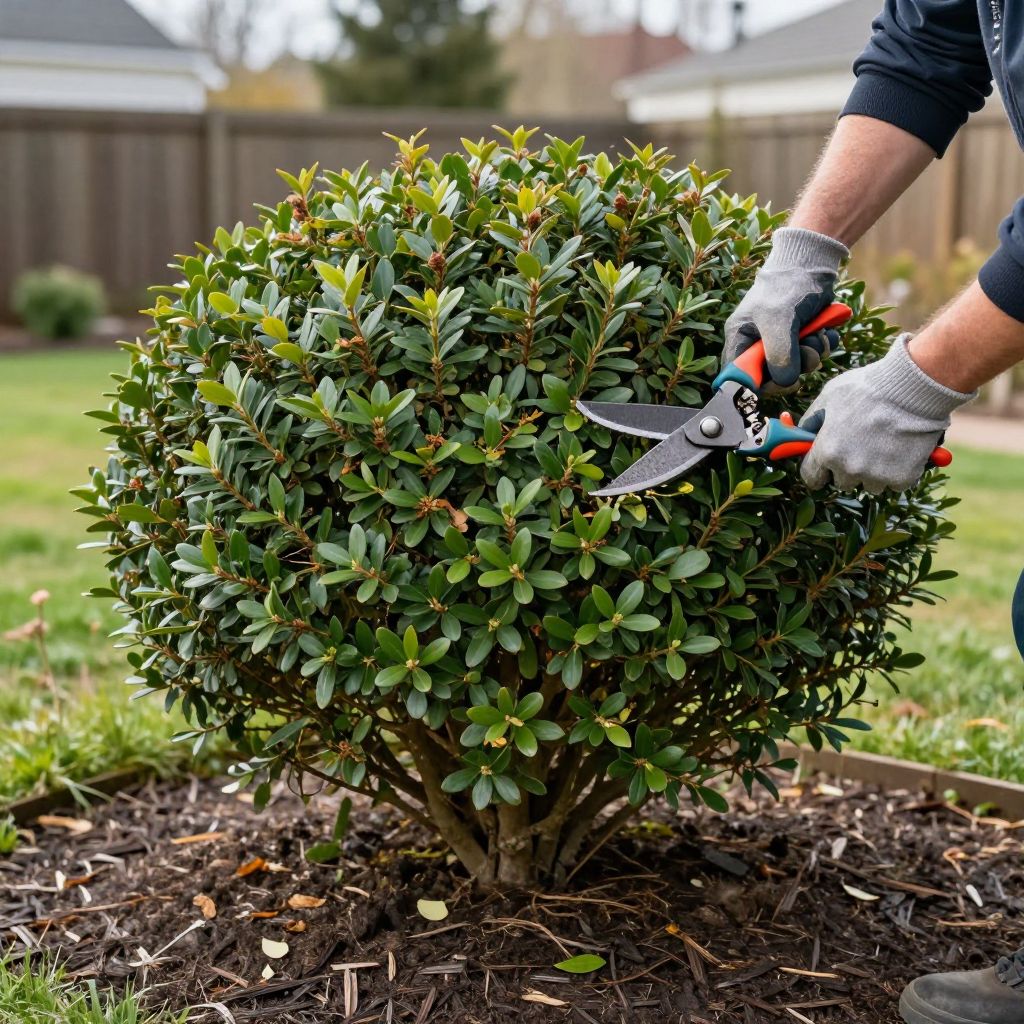
When is the best time to trim bushes? The short answer is: it depends on the shrub, but the safest general window is right after flowering for spring-blooming bushes and during late winter or early spring for many summer-blooming, dormant shrubs. The goal is to prune when the plant can recover quickly without losing next season’s flower buds.
Timing matters because the wrong cut at the wrong season can reduce blooms, stress the shrub, or invite disease. If you know what kind of bush you have and how it flowers, you can trim it with much better results and far less guesswork.
When Is The Best Time To Trim Bushes?
The best time to trim bushes is usually based on bloom time and growth habit. Prune spring-flowering shrubs soon after they finish blooming, and prune many nonflowering or summer-flowering shrubs in late winter or early spring before new growth starts. Avoid heavy pruning during extreme heat, drought, or when the plant is actively setting flower buds.
Match pruning time to the type of bush
Not all bushes should be trimmed on the same schedule. The most important rule is whether the shrub flowers on old wood or new wood.
Spring-flowering shrubs
These shrubs bloom on wood they formed the previous year, so pruning too early removes flower buds. Trim them right after they finish blooming.
- Examples often include lilac, forsythia, azalea, rhododendron, and some viburnums.
- Light shaping is usually enough unless the shrub is overgrown.
- If you wait until late summer or fall, you may cut off next year’s blooms.
Summer-flowering shrubs
Many shrubs that bloom in summer flower on new growth, so they can be pruned in late winter or early spring before growth begins. This timing often encourages vigorous new shoots and good flowering later in the season.
- Examples may include butterfly bush, potentilla, some spireas, and certain hydrangeas.
- Check the exact species before pruning, because hydrangeas are especially variable.
- For shrubs that bloom on new wood, dormant-season pruning is usually safer than summer pruning.
Evergreen shrubs
Evergreens are often trimmed for shape rather than bloom timing. Light pruning is usually best in spring or early summer, after the risk of hard frost has passed and before late-season growth hardens off.
- Use restraint with boxwood, holly, yew, and similar shrubs.
- Avoid cutting too late in the season if your climate has cold winters, because tender new growth can be damaged.
- For formal hedges, frequent light clipping is better than severe cuts.
Seasonal timing guide for trimming bushes
Late winter
Late winter is a common pruning window for many deciduous shrubs because the plant is dormant and the branch structure is easy to see. This is often the best time for major shaping, thinning, and removing dead or crossing branches.
Choose a dry day when temperatures are not severely cold. In very cold climates, wait until the worst freezes are mostly past.
Early spring
Early spring works well for shrubs that bloom on new wood and for cleanup pruning after winter damage. You can remove broken stems, dead tips, and crowded growth before the plant pushes out fresh leaves.
Be careful with shrubs that bloom early. If flower buds are already swelling, you may be too late for a major trim.
After flowering
This is the best time for many spring-blooming shrubs. Pruning soon after bloom gives the plant time to grow new shoots that will carry next year’s flower buds.
If you want to reduce size, do it gradually over a few seasons rather than cutting the whole shrub back hard at once.
Summer
Summer pruning should usually be light. Focus on removing suckers, water sprouts, damaged branches, and any growth that is blocking paths or windows.
In hot weather, avoid heavy pruning unless the shrub is truly overgrown or hazardous. Severe cuts can expose inner branches to sunscald and stress the plant.
Fall
Fall is usually not the best time to trim bushes heavily. New cuts can stimulate tender growth that may not harden before frost, and some shrubs are already preparing for winter dormancy.
Light cleanup is fine if needed, but save major pruning for a better season unless you are removing dead, diseased, or dangerous branches.
How to tell if your bush is ready to be trimmed
Before you cut, inspect the shrub closely. A few simple checks can help you decide whether to prune now or wait.
- Look for buds. If flower buds are already formed, pruning may reduce blooms.
- Check for dead wood. Dead branches can be removed any time.
- Watch for disease. If you see cankers, blackened stems, or dieback, remove affected parts promptly.
- Consider the weather. Avoid pruning during drought, heat waves, or just before a hard freeze.
- Assess the growth habit. Some shrubs tolerate shearing; others need selective thinning.
Best pruning methods for healthy bushes
Use the right cut for the job
Different pruning styles create different results. The wrong method can make a shrub look unnatural or weak.
- Thinning: Remove selected stems at the base or where they join a larger branch. This improves air flow and keeps the shrub looking natural.
- Heading back: Shorten stems to a bud or side branch. Use this to reduce size or encourage branching.
- Shearing: Clip the outer layer for a formal shape or hedge. Use lightly, because repeated shearing can create a dense outer shell and sparse interior.
Start with the 3 D’s
Whenever you trim bushes, begin by removing the dead, damaged, and diseased wood. This improves appearance and helps prevent problems from spreading.
After that, remove crossing branches, weak shoots, and any stems growing inward toward the center.
Tools and technique matter
Clean, sharp tools make cleaner cuts and reduce stress on the shrub. For small stems, use bypass hand pruners. For thicker stems, use loppers or a pruning saw.
- Disinfect blades if you are cutting diseased wood and moving from plant to plant.
- Make cuts just above a healthy bud or branch junction.
- Avoid leaving long stubs, which can die back and invite decay.
- Do not tear branches by forcing dull tools through wood.
If a bush is tall, use stable footing and avoid overreaching. For large shrubs, pruning in stages is safer than trying to finish everything at once.
Common mistakes to avoid
Many pruning problems come from cutting too much, too late, or in the wrong place. A little planning prevents most of them.
- Pruning spring bloomers in winter or early spring, which removes flower buds.
- Shearing every shrub into a ball, which can create dense outer growth and weak interior stems.
- Taking off more than about one-third of the shrub at once, which can shock the plant.
- Pruning during drought or heat stress, which slows recovery.
- Ignoring disease symptoms, which lets problems spread through the shrub and nearby plants.
What to do with overgrown bushes
If a bush has become too large, don’t try to fix everything in one season unless it is a fast-growing shrub that tolerates hard pruning. Most shrubs respond better to gradual renovation.
Gradual renewal pruning
Remove one-third of the oldest stems at ground level each year for three years. This refreshes the shrub without stripping away all of its growth at once.
This method works especially well for shrubs that naturally produce new shoots from the base. If you are unsure whether your shrub will tolerate it, start with light thinning instead.
Hard pruning
Some shrubs can be cut back hard and still recover, but not all can. Research the specific shrub before using this method, because severe pruning at the wrong time can leave you with bare stems and few flowers for a season or more.
How climate changes the best pruning time
Your local climate matters as much as the calendar. In mild climates, shrubs may start growing earlier, so pruning windows arrive sooner. In colder regions, winter damage may not be obvious until late spring, and pruning too early can expose cuts to freeze injury.
Use your plant’s condition as a guide. If buds are swelling, sap is rising, or new growth is already visible, you may need to prune sooner or wait until after bloom, depending on the shrub type.
Aftercare following pruning
Most healthy shrubs recover well after a proper trim, especially if they are watered during dry spells and kept mulched. A 2- to 3-inch layer of mulch helps moderate soil moisture and temperature, but keep it a few inches away from the stems.
Watch the shrub over the next few weeks for signs of stress, such as wilting, scorched leaves, or dieback. If growth looks weak, reduce future pruning and focus on improving soil drainage, sunlight, and overall plant health.
Quick answer by season
- Late winter to early spring: Best for many deciduous shrubs that bloom on new wood.
- Right after flowering: Best for spring-blooming shrubs.
- Spring to early summer: Good for light shaping of many evergreens.
- Fall: Usually avoid major pruning unless removing dead or unsafe branches.
Conclusion
The best time to trim bushes depends on how and when they bloom, but the safest habit is to prune spring-flowering shrubs after bloom and many other shrubs in late winter or early spring. Start with dead or damaged wood, make clean cuts, and avoid heavy pruning during stress periods. If you are unsure of the shrub type, wait until you can identify it before making major cuts.
For more helpful yard care guidance, you may also want to read about how to prune shrubs without hurting blooms and basic hedge trimming techniques for home landscapes.