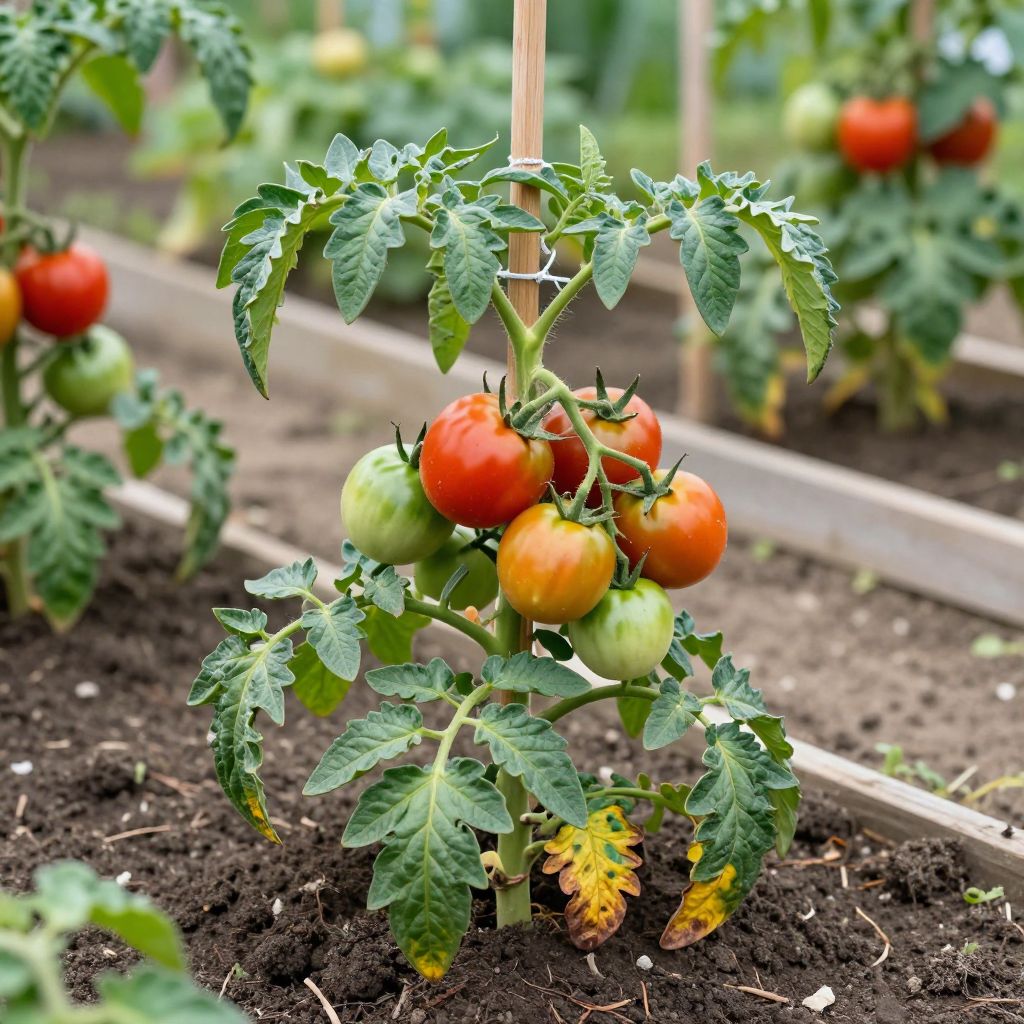
Are tomato plants perennial? In most home gardens, the practical answer is no: tomatoes are usually grown as annuals because frost kills them. But in frost-free climates, or indoors with strong light and warmth, tomato plants can live longer than one season and keep producing for a time.
If you want to save a favorite plant or understand how tomatoes behave in different climates, it helps to know the difference between their natural life span and how gardeners grow them. The care is similar either way, but pruning, overwintering, and disease management become much more important if you try to keep a tomato plant going.
Are tomato plants perennial?
Tomato plants (Solanum lycopersicum) are technically perennial in their native tropical climate, but they are not frost-hardy. In temperate gardens, they are usually treated as annuals because cold weather ends the plant’s life. In warm, frost-free areas, tomatoes may survive and fruit for more than one season.
Why tomatoes are usually grown as annuals
Tomatoes grow fast, flower, set fruit, and decline within one season in most climates. Even if a plant avoids frost, older plants often become less productive, more disease-prone, and more difficult to manage than young, vigorous plants.
What ends a tomato plant’s life outdoors
- Frost damages leaves, stems, and roots quickly.
- Cool nights slow growth and fruit ripening.
- Late-season diseases often build up on older foliage.
- Heavy fruit loads can weaken stems over time.
That is why most gardeners replant tomatoes each year rather than trying to keep the same plant forever. In many regions, starting fresh gives you stronger growth and better disease control.
Can tomato plants survive winter?
Tomato plants can survive winter only if they are protected from freezing temperatures. In mild climates, a plant may persist outdoors through winter with little damage. In colder regions, you can sometimes overwinter tomatoes indoors, but they need bright light, warmth, and careful watering to stay healthy.
Outdoor overwintering in warm climates
If your winters are mild and frost is rare or absent, tomato plants may live longer than one season. Even then, they often slow down during the cooler months and may need pruning, support, and pest monitoring to stay productive.
Indoor overwintering
Bringing a tomato plant indoors can work, especially for small or container-grown plants. The biggest challenge is light. A sunny window is often not enough for strong growth, so many gardeners use a grow light to keep the plant from becoming weak and leggy.
How to overwinter tomato plants successfully
If you want to keep a tomato plant alive past the first season, start before the first frost. Choose a healthy, pest-free plant and move it to a protected space before cold stress weakens it.
- Inspect the plant for aphids, whiteflies, spider mites, and disease spots.
- Prune off damaged leaves and any fruit that is rotting or heavily diseased.
- Dig or move the plant into a pot if it is in the ground.
- Place it in a bright, warm location with good air circulation.
- Water only when the top layer of soil begins to dry.
- Watch for pests weekly and remove yellowing leaves promptly.
For container tomatoes, overwintering is easier because you can move the whole pot. For in-ground plants, transplant shock is common, so do the move carefully and avoid damaging the roots more than necessary.
Best conditions for keeping tomatoes alive indoors
- Light: bright sun or a strong grow light for several hours daily
- Temperature: warm, stable indoor conditions without cold drafts
- Airflow: enough circulation to reduce fungal problems
- Water: evenly moist soil, never soggy
Indoors, tomatoes usually slow down instead of growing like they do in summer. That is normal. The goal is survival and moderate health, not maximum production through winter.
Do perennial tomatoes produce fruit every year?
In frost-free conditions, a tomato plant may flower and fruit again the next season, but production is often uneven. Older plants can still bear fruit, yet they may not be as vigorous as younger plants started from seed or cuttings.
Some gardeners keep a favorite plant going because it is already established and has a strong root system. Others prefer to replace plants yearly because fresh plants usually give more reliable harvests and fewer disease issues.
What affects repeat fruiting
- How much light the plant receives
- Whether the plant stays warm enough
- How well diseases are controlled
- Whether pruning keeps the plant manageable
- The plant’s age and overall vigor
How to care for a long-lived tomato plant
Long-lived tomatoes need the same basics as seasonal plants, but consistency matters more. Healthy roots, balanced moisture, and regular pruning help the plant keep producing instead of becoming tangled and stressed.
Soil and drainage
Tomatoes prefer fertile, well-drained soil rich in organic matter. Whether in a bed or a pot, avoid heavy, waterlogged soil, because poor drainage encourages root problems and weak growth.
- Use compost to improve soil structure and fertility.
- Make sure containers have drainage holes.
- Choose a loose, airy potting mix for container tomatoes.
Watering
Water deeply enough to moisten the root zone, then let the top layer of soil dry slightly before watering again. Uneven watering can cause blossom-end rot, fruit cracking, and stress that shortens the plant’s productive life.
Container plants usually dry out faster than garden plants, especially in warm weather. Check moisture with your finger rather than following a fixed schedule.
Sunlight
Tomatoes need full sun for best growth and fruiting. Outdoors, that usually means at least 6 to 8 hours of direct sun. Indoors, use the brightest location available and supplement with grow lights if needed.
Pruning and support
Pruning helps older tomato plants stay productive by improving airflow and reducing crowding. Use stakes, cages, or trellises to keep stems upright and fruit off the soil.
- Remove yellowing or diseased leaves.
- Cut away suckers only if the plant is becoming too dense or difficult to support.
- Tie stems loosely so they are not damaged by rubbing.
Common problems with perennial or overwintered tomatoes
Tomatoes that live longer than one season often face more pest and disease pressure than newly planted ones. Older foliage can harbor problems, and indoor conditions can make some pests harder to notice.
Pests
Aphids, whiteflies, and spider mites are common on stressed tomatoes. Check the undersides of leaves and new growth regularly, especially if the plant has moved indoors.
Practical fixes include rinsing pests off with water, removing heavily infested leaves, and improving airflow. If a plant is badly infested, it may be better to replace it than to struggle through winter with a weak specimen.
Diseases
Fungal and bacterial diseases are more likely when leaves stay wet, airflow is poor, or infected debris remains on the plant. Remove diseased leaves promptly and avoid overhead watering when possible.
Do not overwinter a plant that already has serious disease. It is often safer to start fresh the next season than to carry a problem indoors.
Leggy growth indoors
If a tomato plant stretches toward the light, it is not getting enough intensity. Move it closer to a brighter window or use a grow light positioned appropriately above the plant. Weak, spindly growth usually leads to poor flowering later.
How to propagate tomatoes if you want a backup plant
Tomatoes are easy to propagate from cuttings, which can be useful if you want to preserve a favorite plant. A healthy cutting can root in water or a moist growing medium, then be potted up once roots form.
- Cut a healthy stem tip from a disease-free plant.
- Remove lower leaves.
- Place the cutting in water or moist potting mix.
- Keep it warm and bright, but out of harsh direct sun at first.
- Transplant once roots are well developed.
This is not the same as keeping the original plant alive forever, but it is a practical way to carry a strong tomato line into the next season.
When it makes sense to replace a tomato plant
Even if a tomato plant can live longer, replacement is often the smarter choice. New plants usually establish quickly, produce more predictably, and have fewer hidden pest or disease issues.
Consider replacing the plant if it has any of the following:
- Persistent disease symptoms
- Severe pest infestations
- Weak, woody, or unproductive growth
- Root problems from poor drainage or pot crowding
- Damage from cold that has set the plant back badly
Best practices for healthy tomatoes year after year
Whether you grow tomatoes as annuals or try to keep them as perennials, good garden hygiene matters. Rotate planting areas when possible, clean tools between uses, and remove old plant debris at the end of the season.
- Choose disease-resistant varieties when available.
- Use clean cages, stakes, and ties each season.
- Keep mulch away from the main stem.
- Inspect plants weekly for early signs of trouble.
- Harvest ripe fruit promptly to reduce stress on the plant.
Conclusion: should you treat tomatoes as perennial?
For most gardeners, tomatoes are best treated as annuals, because frost, disease, and declining vigor usually end the plant’s useful life after one season. But in warm climates or with careful indoor overwintering, you can keep a tomato plant alive and productive for longer.
If you want to try it, start with a healthy plant, give it strong light, good drainage, and regular pruning, then watch closely for pests and disease. For more practical growing help, you may also want to read about tomato pruning and container vegetable gardening.