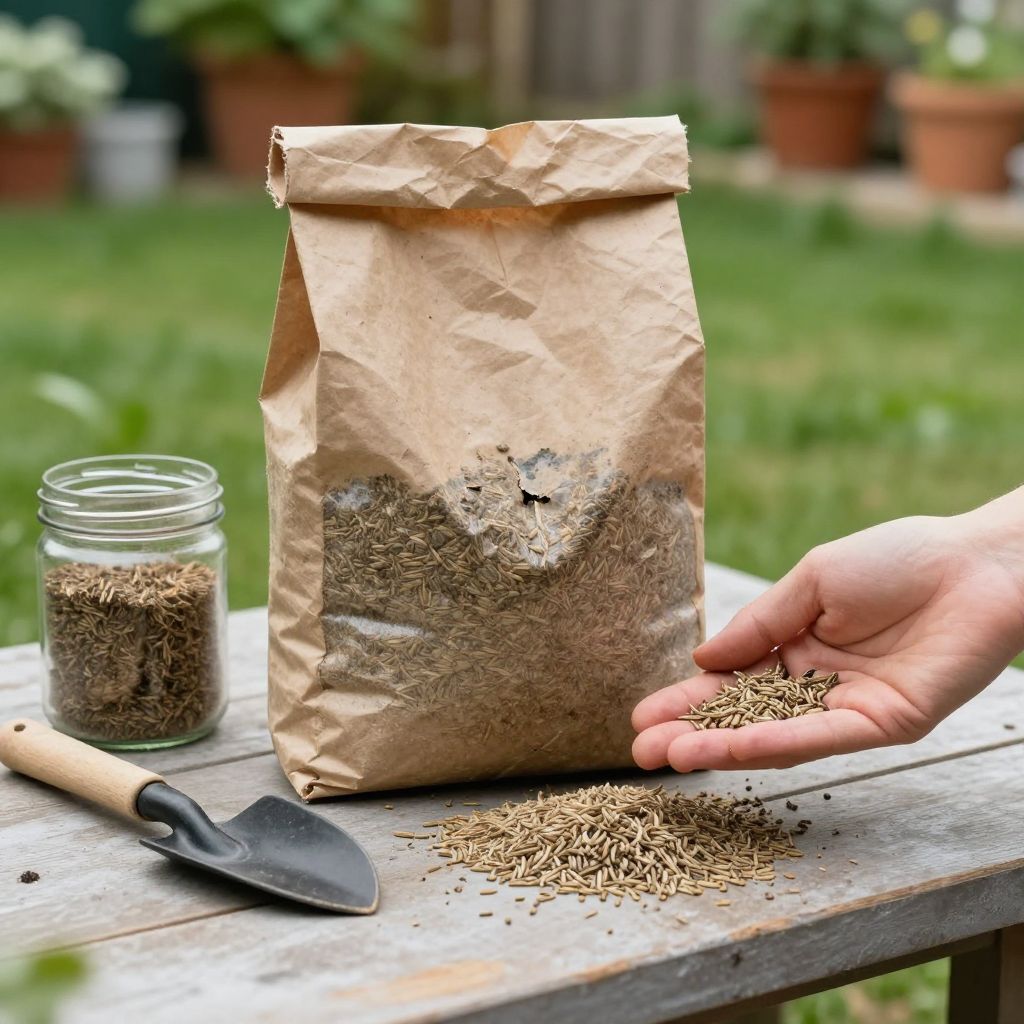
Can grass seed go bad? Yes—grass seed can lose viability over time, especially if it has been exposed to heat, moisture, or pests. Old seed may still sprout, but germination usually drops as the seed ages, so the real question is whether it is still worth planting.
The good news is that you can often test seed before you waste time reseeding a lawn. With a simple germination check and a few storage habits, you can tell whether your bag is still usable and improve your chances of getting a thick, even stand of grass.
Can grass seed go bad?
Grass seed can go bad in the sense that it loses vigor and germination over time. Fresh, dry seed stored in cool conditions lasts longer, while seed that has been damp, overheated, or infested may sprout poorly or not at all. A quick germination test is the best way to know.
What makes grass seed lose viability?
Grass seed is living plant material, so its ability to sprout declines as it ages. The main factors that shorten shelf life are moisture, heat, oxygen exposure, and physical damage to the seed coat.
Common causes of poor seed quality
- Moisture: Damp seed can mold, rot, or begin to sprout and then die.
- Heat: High temperatures speed up aging and reduce germination.
- Improper storage: Open bags, garages, sheds, and humid basements can all be risky.
- Pests: Mice, insects, and birds may damage stored seed.
- Age: Even well-stored seed gradually loses vigor.
Different grass species age at different rates, but you do not need to know the exact species to make a practical decision. If the seed is older, poorly stored, or looks suspicious, test it before sowing a whole lawn area.
How to tell if grass seed is still good
Start with a visual and smell check, then confirm with a germination test. Good seed should look dry, clean, and free-flowing, not clumped, dusty with mold, or musty-smelling.
Quick inspection checklist
- Open the bag and look for clumps, webbing, or fuzzy growth.
- Check for insects, larvae, or mouse droppings.
- Smell the seed. A sour, damp, or moldy odor is a red flag.
- Feel the seed. It should be dry, not soft or sticky.
- Look at the label for a packaging date or test date if available.
Simple germination test
- Count out 20 to 50 seeds.
- Place them on a damp paper towel.
- Fold the towel over the seeds and put it in a plastic bag or covered container to hold moisture.
- Keep it in a warm indoor spot out of direct sun.
- Check daily and keep the towel moist, not soggy.
- Count how many seeds sprout after the expected germination window for that grass type.
If only a portion sprouts, the seed is not necessarily useless. It just means you should sow more heavily to make up for the lower germination rate, or replace the seed if the result is very poor.
How long does grass seed last?
There is no single expiration date that fits every bag. In ideal storage, many grass seeds remain usable for a few years, but germination often declines gradually rather than all at once. The older the seed, the more important a germination test becomes.
What affects shelf life most
- Storage temperature: Cool storage preserves viability better than warm storage.
- Humidity: Dry conditions are essential.
- Packaging: Sealed bags protect seed better than opened containers.
- Seed type: Some grasses hold viability longer than others.
As a rule, seed stored in a cool, dry place performs better than seed left in a hot shed or garage. If you are unsure how it was stored, assume the germination rate may be lower than the label suggests.
How to store grass seed so it lasts longer
Good storage is the easiest way to keep grass seed usable. The goal is to keep it dry, cool, and protected from pests.
Best storage practices
- Keep seed in the original bag or a sealed container.
- Store it in a cool indoor location, not a hot garage or shed.
- Avoid places with humidity swings, such as near water heaters or laundry rooms.
- Keep bags off concrete floors if the area can get damp.
- Label opened seed with the date you opened it.
If you live in a humid climate, extra protection helps. A tightly sealed container can reduce moisture exposure, but only if the seed was dry when sealed. Never store damp seed in an airtight container, because that can encourage mold.
Should you use old grass seed?
Old seed is worth using only if it still germinates well enough for your project. For a small patch or overseeding, lower germination may be acceptable. For a new lawn or large repair area, weak seed can leave thin, patchy results and invite weeds.
When old seed is usually worth trying
- The seed passes the smell and visual test.
- The germination test shows acceptable sprouting.
- You are overseeding an existing lawn, not starting from scratch.
- You can compensate with a slightly heavier seeding rate based on the test result.
When to replace it
- The seed smells moldy or feels damp.
- You see insects, webbing, or visible mold.
- The germination test is very poor.
- The seed was stored in heat or moisture for a long time.
Do not rely on seed that looks damaged just because it is cheaper to use it. Poor germination often costs more in time, water, and rework than buying fresh seed.
How to plant grass seed for the best results
Even good seed can fail if the site is not prepared properly. Grass seed needs firm seed-to-soil contact, steady moisture, and the right light and soil conditions for the species you are growing.
Basic lawn seeding steps
- Clear away dead grass, debris, and large weeds.
- Loosen the top layer of soil lightly if the area is compacted.
- Level low spots so water does not pool.
- Spread seed evenly according to the package directions.
- Rake lightly so seed is covered by a thin layer of soil.
- Press seed into the soil with a roller or by walking gently over the area.
- Water lightly and consistently until germination begins.
Do not bury seed deeply. Most lawn grasses germinate best when they are just covered or in close contact with the soil surface. Too much soil can reduce emergence.
Soil and drainage matter
Grass seed performs best in soil that drains well but still holds some moisture. If water sits on the surface after rain or watering, the seed may rot or wash away. In heavy clay or compacted areas, improve drainage and loosen the soil before sowing.
- Add a thin layer of screened compost to improve surface texture if needed.
- Work compost into the top layer only if the soil is very poor or compacted.
- Avoid creating a thick mulch layer over newly sown seed.
Watering and sunlight for new grass seed
New seed needs moisture to stay alive, but too much water can cause rot or move the seed out of place. Keep the surface evenly moist, not saturated, until seedlings are established.
Watering tips
- Use light, frequent watering at first if the weather is dry.
- Water enough to keep the top layer from drying out completely.
- Reduce watering gradually after seedlings emerge and roots deepen.
- Avoid strong spray that can puddle or wash seed away.
Sunlight also matters. Some grasses need full sun, while others tolerate partial shade better. If the area is too shady for the grass type, even fresh seed may struggle. Match the seed mix to the light conditions where you are planting.
Common problems that look like bad seed
Sometimes the seed is fine, but the site or care is the real problem. If your lawn seed does not sprout, check for these issues before blaming the bag.
Troubleshooting checklist
- Seed washed away: Heavy rain or overwatering can move seed off the target area.
- Seed dried out: A dry surface can stop germination before roots develop.
- Birds or animals ate it: Lightly covering seed helps protect it.
- Soil crusted over: A hard crust can block seedlings from emerging.
- Wrong season or temperature: Soil that is too cold or too hot slows germination.
- Too much shade: Sparse growth may be due to light, not seed quality.
If you are unsure whether the issue is seed quality or planting conditions, compare a small test patch with fresh seed in a better-prepared spot. That can help you separate poor seed from poor site conditions.
Practical mistakes to avoid
Many seeding failures come from simple handling errors. Avoiding these mistakes can make a bigger difference than buying a more expensive bag.
- Do not store seed in a hot, damp shed.
- Do not assume old seed will perform like fresh seed.
- Do not sow into compacted, dry, or debris-covered soil.
- Do not overwater to the point of puddling.
- Do not bury grass seed too deeply.
- Do not ignore the light and moisture needs of the grass type you chose.
Conclusion: what to do next
If you are wondering, “Can grass seed go bad?” the safest answer is yes, and the best next step is to test it before you plant. Check the seed’s appearance, smell, and germination rate, then decide whether to use it, sow more heavily, or replace it with fresh seed.
For more help with lawn care and seed selection, you may also want to read about how to overseed a lawn and improving soil for better grass growth.