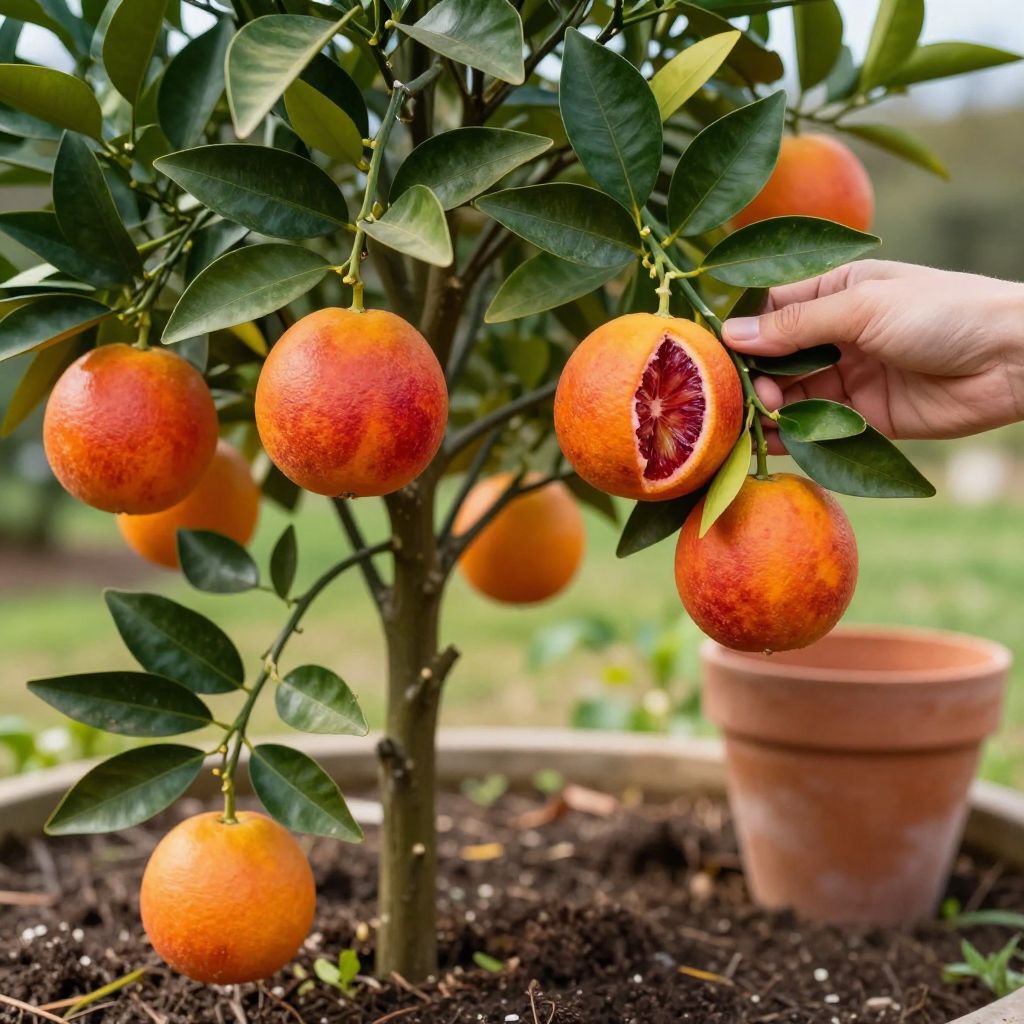
Wondering when are blood oranges in season so you can grow, harvest, or buy them at the right time? Blood oranges are a cool-season citrus crop, and their fruit ripens in winter to early spring in many climates. The exact timing depends on variety, local temperatures, and how much color develops in the fruit.
If you grow blood oranges at home, the season is not just about the calendar. Sun, cool nights, irrigation, and tree maturity all affect flavor, juice, and the deep red pigment that makes these oranges distinctive.
When are blood oranges in season?
Blood oranges are typically in season from late winter through early spring, often peaking between December and April in many citrus-growing regions. Some varieties ripen earlier or later, and fruit may hang on the tree for several weeks. The best harvest time is when the skin has colored up, the fruit feels full, and the flavor is sweet with balanced acidity.
What affects blood orange season?
Blood orange timing is shaped by climate more than by a fixed date. In warm regions, fruit may mature earlier, while cooler nights help develop the red pigment and richer flavor that blood oranges are known for.
Climate and temperature
Blood oranges develop color best when days are sunny and nights are cool, but not freezing. Mild winter conditions often improve pigmentation, while very warm winters can leave the flesh less red even if the fruit is ripe.
Variety differences
Different blood orange cultivars ripen at different times. If you are growing more than one type, one tree may be ready several weeks before another, so don’t rely on a single harvest window for all blood oranges.
Tree age and crop load
Younger trees or heavily loaded trees may ripen unevenly. A mature tree with a balanced crop usually produces more consistent fruit, while stressed trees can hold fruit longer before it reaches good eating quality.
How to tell when blood oranges are ready to harvest
Color alone is not enough. Some blood oranges look nearly ripe before the flavor is fully developed, and some fruit stays partly orange outside even when the inside is ready.
- Check the skin color: The peel should be mostly orange to reddish-orange, sometimes with a blush or mottling.
- Feel the weight: Ripe fruit usually feels heavy for its size, which suggests good juice content.
- Taste test one fruit: Flavor is the most reliable guide. If it is still sharp or bland, wait a bit longer.
- Look at the stem end: The fruit should detach with a gentle twist when ready.
- Watch the tree: Mature fruit can stay on the tree for a while, but overripe fruit may dry out or lose flavor.
Important: Blood oranges can be fully ripe before they turn deeply red inside. The red color is influenced by cool temperatures, so a sweet fruit with lighter flesh can still be harvest-ready.
Growing blood oranges for the best season and flavor
If you want strong fruit quality, the season starts long before harvest. Good planting, steady care, and proper pruning help the tree set healthy fruit that ripens well in winter.
Sunlight
Blood orange trees need full sun for the best flowering and fruit development. Aim for at least 6 to 8 hours of direct sunlight daily, especially in outdoor plantings.
Soil and drainage
Citrus trees prefer well-drained soil. Heavy, waterlogged ground can reduce root health and delay fruit quality, so raised beds or mounded planting can help in poorly drained sites.
Before planting, improve the soil with compost if needed, but avoid making the planting hole into a rich pocket of amended soil that traps water. The goal is steady drainage, not a soggy root zone.
Watering
Blood orange trees need regular moisture while flowering and fruit are developing, but they do not like constantly wet soil. Water deeply, then let the upper soil layer begin to dry slightly before watering again, adjusting for rainfall and soil type.
- Sandy soil dries faster and may need more frequent watering.
- Clay soil holds water longer and needs extra attention to drainage.
- Container-grown trees dry out more quickly than in-ground trees.
Feeding
Use a balanced citrus fertilizer or a soil-building approach based on your local conditions and soil test results. Too much nitrogen can push leafy growth at the expense of flowers and fruit quality, which can delay a good harvest season.
Pruning and maintenance for better harvest timing
Pruning does not make blood oranges ripen overnight, but it helps the tree manage energy and sunlight. A well-shaped tree often flowers and fruits more evenly, which makes harvest timing easier to judge.
Pruning basics
- Remove dead, damaged, or crossing branches.
- Thin crowded growth so light reaches the inner canopy.
- Keep the center open enough for air movement.
- Avoid heavy pruning right before flowering or fruit set unless the tree needs corrective work.
Good airflow also reduces disease pressure, which helps fruit stay on the tree long enough to finish ripening.
Mulching
A mulch layer helps conserve moisture and moderate soil temperature. Keep mulch a few inches away from the trunk so the bark stays dry and rot risk stays low.
Common problems that affect blood orange season
Several issues can shift ripening time or reduce fruit quality. If your tree is not coloring up or the fruit tastes flat, one of these is often the reason.
Fruit stays orange outside but pale inside
This usually means the fruit is ripe enough to eat but has not had enough cool nights to develop strong red flesh. Flavor may still be excellent, so taste before waiting too long.
Fruit is sour or dry
Underwatered trees, poor root health, or harvesting too early can all cause disappointing fruit. Check soil moisture, review drainage, and leave fruit on the tree longer if it is still immature.
Fruit drops early
Sudden watering changes, heat stress, pests, or nutrient imbalance can trigger fruit drop. Keep moisture more even during fruit development and inspect the tree for visible damage or insect activity.
Pests and diseases
Like other citrus, blood oranges can be affected by scale, aphids, mites, and fungal issues in humid or crowded conditions. Regular inspection is important, especially on the undersides of leaves and around stems.
- Wash off light insect infestations with a strong water spray.
- Encourage airflow by pruning dense growth.
- Remove fallen fruit and diseased leaves promptly.
- Avoid overwatering, which can worsen root problems.
Growing blood oranges in containers
Container gardening can make blood oranges easier to manage in cooler climates, but potted trees need closer attention. Pots warm and dry faster, which can affect flowering, fruit set, and ripening.
Container care tips
- Use a large pot with drainage holes.
- Choose a free-draining citrus potting mix.
- Place the tree in the sunniest spot you have.
- Move the container to shelter if frost is expected.
- Check moisture more often than you would for in-ground trees.
Container-grown trees may ripen a little differently from trees in the ground because root temperature and moisture change faster. That makes regular observation more important than a fixed calendar date.
How to harvest blood oranges without damaging the tree
Harvest carefully so you do not tear bark or bruise the fruit. Blood oranges should come off with a gentle twist or a clean snip, depending on how firmly they are attached.
- Test one or two fruits for flavor before harvesting the whole tree.
- Use clean hand pruners or garden snips if the stem is tight.
- Support the fruit with one hand while cutting or twisting.
- Handle harvested oranges gently to avoid skin damage.
- Store them in a cool, dry place with airflow if you are not using them right away.
Tip: If the fruit is still improving in flavor, leave it on the tree and retest in a week or two. Blood oranges often hold well when conditions are mild.
Quick seasonal checklist for home growers
If you are trying to time blood orange harvests, this simple checklist can help you stay on track through the season.
- Watch for winter to early spring ripening in your region.
- Check both peel color and fruit weight.
- Taste-test before picking the entire crop.
- Keep watering even, especially during fruit fill.
- Prune lightly for light and airflow, not aggressively.
- Inspect regularly for pests and disease.
Conclusion
When are blood oranges in season? In most gardens, they are ready from late winter into spring, but your own tree may ripen earlier or later depending on weather, variety, and care. The best approach is to watch for color, taste, and fruit fullness rather than relying on the calendar alone. If you grow them, start by checking one fruit this week and note how it compares to the rest of the tree.