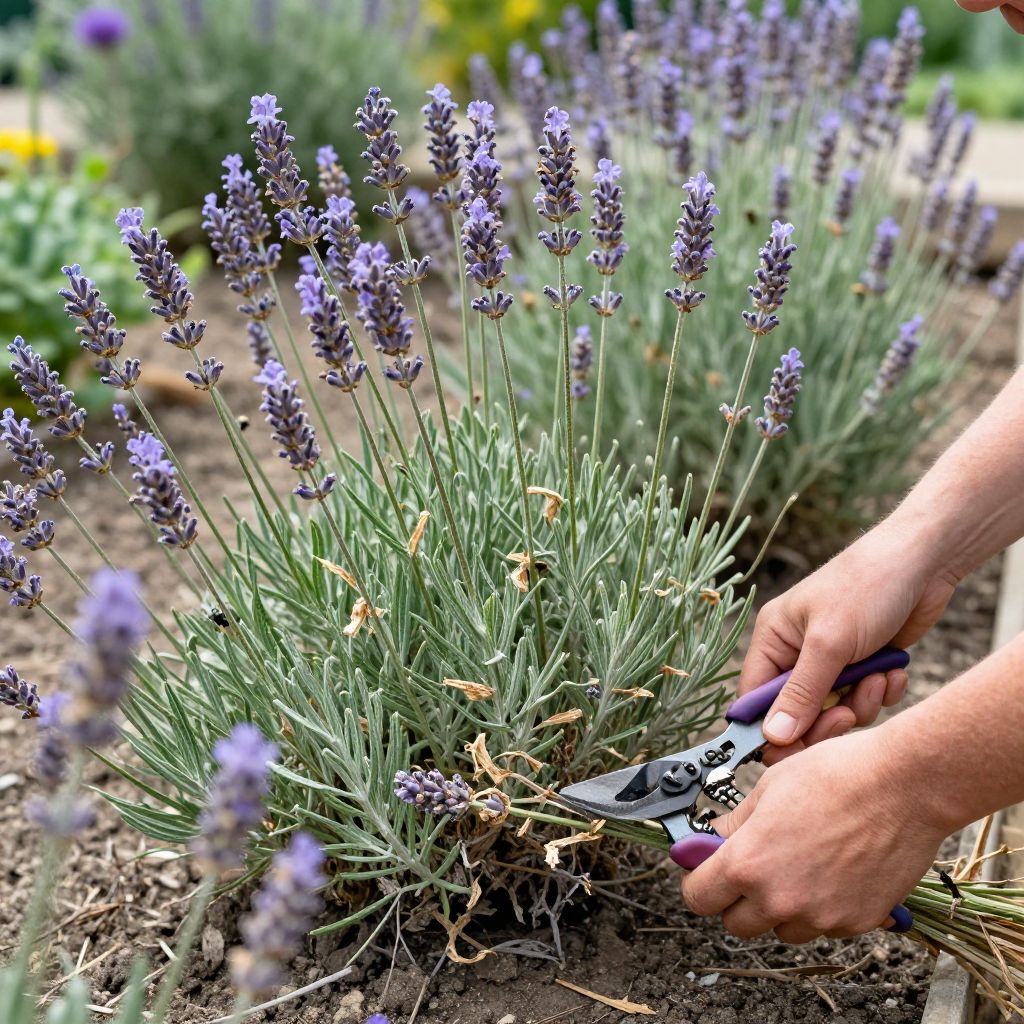
Wondering when is it too late to harvest lavender? The short answer is: once the flower spikes have passed their best color and scent, the quality drops quickly. You can still cut stems later in the season, but for the strongest fragrance, best drying quality, and healthiest plant, harvest before the blooms are fully faded.
The exact cutoff depends on your climate, the lavender type, and what you want to do with the stems. If you time it well, you can enjoy a longer bloom display, better essential oil content, and a tidier plant that’s less likely to become woody and leggy.
When is it too late to harvest lavender?
It is usually too late to harvest lavender when the flowers are mostly brown, brittle, or dropping petals, and the scent has noticeably faded. For dried bundles, the best time is typically when the first few florets on each spike have opened and the rest are still in bud. After full bloom, quality declines fast.
How to tell lavender is past its best harvest stage
Lavender does not all open at once, so the right harvest window is a stage, not a single day. Watch the flower spikes closely and cut when they are at peak fragrance and color, before they become overmature.
Signs it is still worth harvesting
- The top flowers are just opening, while most of the spike is still in bud.
- The color is rich and fresh, not dull or grayish.
- The stems feel firm, and the flowers still hold their scent when rubbed gently.
- Bees are active, but the plant has not yet started to dry out in the sun.
Signs it is too late
- Most blossoms are brown, papery, or dropping off.
- The fragrance is weak or grassy instead of sweet and floral.
- Seed heads are forming and the spike looks spent.
- Stems are woody and the plant is shifting energy away from flowering.
If you want lavender for drying, the ideal harvest is earlier than you might think. Waiting for every flower to open usually means less scent and more shattering petals later.
Best harvest timing by purpose
What counts as “too late” depends on how you plan to use the lavender. The same spike can still be useful for one purpose and too far gone for another.
For fresh bouquets
Cut stems when the first flowers are open and the rest of the spike is still colorful. Fresh arrangements look best when the blooms are just beginning to show their full shape.
For drying
Harvest slightly earlier, when about one-third of the florets on a spike are open. This gives you strong color, good fragrance, and less shedding as the stems dry.
For sachets, crafts, and potpourri
Cut at early bloom for the best scent retention. Once the flowers are overmature, the aroma is less intense and the dried material can become crumbly.
For pollinators and landscape value
If you are growing lavender mainly for bees and garden display, you can leave some stems uncut longer. Just remember that leaving every spike too long can reduce the plant’s neat shape and may delay pruning later.
How to harvest lavender at the right stage
Harvesting lavender correctly matters as much as timing. A clean cut helps the plant recover and encourages a tidier shape for the next flush of growth.
- Choose a dry morning after the dew has evaporated.
- Use clean, sharp pruners or snips.
- Cut stems before the flowers are fully spent, leaving green growth below the flower spike.
- Aim to remove only the flowering stems, not deep into old woody wood unless you are doing a planned renovation prune.
- Bundle stems loosely if you are drying them, and hang them upside down in a dark, airy place.
Dry weather is important. Cutting lavender when the plant is wet can increase the chance of mold during drying and can reduce the quality of the finished stems.
What happens if you harvest lavender too late?
Late-harvested lavender is not useless, but it is usually less desirable. The flowers may crumble, the scent may be weaker, and the stems may become more difficult to dry neatly.
- Lower fragrance: Essential oils are strongest around early bloom, not after the flowers fade.
- More shedding: Overripe blooms drop petals and create mess in storage.
- Less attractive dried bundles: Browned florets look tired and dry unevenly.
- Missed pruning opportunity: If you wait too long, the plant may become more open and woody.
That said, late-cut stems can still be used for casual dried arrangements, garden mulch in small amounts, or compost if the material is clean and disease-free.
How late is too late by season?
There is no universal calendar date because lavender timing varies with climate, elevation, and variety. In cooler regions, bloom may peak later in summer; in warm areas, it can begin much earlier.
Early season
In many gardens, this is the best time to harvest. The flower spikes are fresh, fragrant, and ideal for drying or arranging.
Midsummer
This is often still a good harvest window, especially if the plant has multiple flushes of bloom. Check the spikes every few days so you do not miss the peak.
Late season
By late season, many spikes are fading. You may still cut a few stems for display, but if most flowers have browned, you are past the best harvest window.
Before frost or hard rain
If frost is forecast or prolonged wet weather is coming, it may be worth harvesting slightly early rather than losing the flowers to weather damage. Wet, collapsing blooms are harder to dry and store well.
Growing conditions that affect harvest timing
Healthy lavender plants bloom more predictably and give you a wider harvest window. Poor growing conditions can shorten bloom time and make flowers fade faster.
Sunlight
Lavender performs best in full sun. In too much shade, plants may bloom weakly and the flowers may not develop strong fragrance.
Soil and drainage
Lavender prefers well-drained soil. Heavy, soggy ground can stress the roots and reduce flowering quality. If your soil holds water, consider raised beds, gravelly amendments, or planting in a container with excellent drainage.
Watering
Established lavender is drought-tolerant, but newly planted shrubs need regular watering until rooted in. Overwatering can lead to weak growth and fewer usable flowers. Water deeply but infrequently, and let the soil dry somewhat between waterings.
Pruning
Annual pruning helps maintain shape and encourages fresh flowering growth. If you skip pruning for too many seasons, the plant may become woody and bloom less evenly, making harvest timing less productive.
Common mistakes to avoid when harvesting lavender
- Waiting for every bloom to open. This usually means weaker scent and more shedding.
- Cutting into old woody stems. Lavender may not regrow well from bare old wood.
- Harvesting after rain or heavy dew. Moisture makes drying harder and can cause mold.
- Removing too much at once. Leave enough green growth for the plant to keep photosynthesizing.
- Ignoring plant health. A stressed plant may need watering, drainage correction, or pruning more than harvesting.
What to do if you missed the ideal harvest window
If your lavender is already past peak, do not panic. You can still salvage useful stems and improve next year’s harvest with a few simple steps.
- Cut the best-looking stems anyway, especially if they are still mostly intact.
- Sort out browned or broken material before drying.
- Use the less attractive flowers for loose dried material rather than formal bundles.
- After flowering, lightly shape the plant if needed, but avoid cutting hard into old wood.
- Plan to check the plant more often next season so you can harvest earlier.
How to keep lavender productive year after year
Lavender is a long-lived shrub when grown in the right conditions, but it needs consistent care to keep flowering well. Good maintenance helps you get a better harvest window every season.
- Plant in full sun and sharply drained soil.
- Avoid rich, heavy compost at planting time if your soil already holds moisture well.
- Prune lightly after flowering to maintain shape.
- Remove dead or diseased stems promptly.
- Watch for root problems in containers, where soil can stay too wet.
Lavender is generally trouble-free, but poor drainage can lead to root rot, and crowded plants may dry unevenly. Good spacing and airflow help the blooms stay cleaner and easier to harvest.
Final answer: when is it too late to harvest lavender?
It is too late to harvest lavender when the flowers are mostly faded, brown, and losing scent. For the best results, cut stems in early bloom or just as the first flowers open. If you missed that stage, harvest what you can now, then adjust your timing next season for fresher, more fragrant stems.
If you want to improve your results next year, it helps to review basic lavender care, especially pruning and drainage. You may also want to read more about how to prune lavender for better blooms and growing lavender in containers and raised beds.