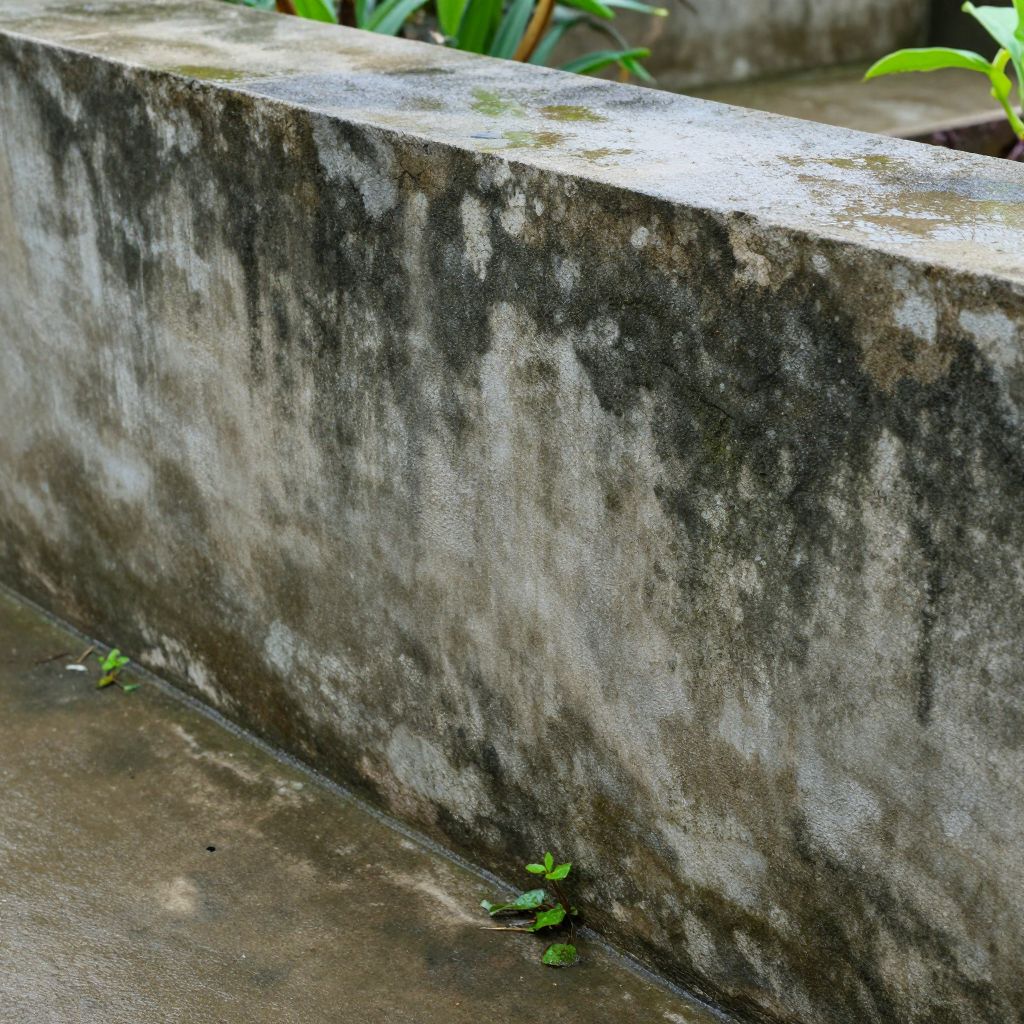
Can mold grow on concrete? Yes, it can. Concrete itself does not feed mold, but its porous surface can hold moisture, dust, algae, and organic debris that let mold and mildew colonize it, especially in shady, damp garden areas.
If you are seeing dark patches on a patio, wall, pot base, or walkway, the issue is usually excess moisture and poor airflow rather than the concrete “rotting.” The good news is that you can usually clean it, improve drainage, and prevent it from coming back with a few practical garden-care habits.
Can mold grow on concrete?
Yes. Mold can grow on concrete when the surface stays damp long enough for spores to settle and feed on dust, pollen, algae, moss, or nearby organic matter. Concrete is not food, but its pores trap moisture, making shaded, poorly drained areas especially vulnerable.
Why mold appears on concrete in gardens
In outdoor spaces, what looks like mold is sometimes mildew, algae, moss, or a mix of all three. These growths are common where water lingers after rain or irrigation.
Common garden conditions that encourage growth
- Shade from fences, shrubs, trees, or buildings
- Poor drainage around patios, foundations, and planting beds
- Frequent overhead watering that wets hardscapes and nearby walls
- Leaf litter, mulch, and soil splash that leave organic residue on concrete
- High humidity or long periods of wet weather
- Cracks and rough texture that hold moisture and debris
Concrete near planters, raised beds, downspouts, or hose bibs is especially likely to stay damp. If you use drip irrigation, the risk is usually lower than with sprinklers that spray hard surfaces.
How to tell mold from algae, mildew, or moss
Correct identification helps you choose the right fix. Mold and mildew often look powdery, fuzzy, or blotchy, while algae tends to be green and slick. Moss is thicker and grows in small clumps or mats, usually in persistent shade.
Quick visual clues
- Mildew: white, gray, or black powdery film
- Mold: fuzzy or patchy growth, often dark green, black, or brown
- Algae: green, slippery film on wet concrete
- Moss: soft, cushiony growth in damp joints or corners
If the area feels slick underfoot, treat it as a slip hazard as well as a maintenance issue. On garden paths and steps, that matters more than appearance alone.
How to remove mold from concrete safely
For most garden surfaces, start with the least aggressive method. A stiff brush, water, and a mild cleaner are often enough if you act early. Always test a small area first, especially on decorative, stamped, or colored concrete.
Step-by-step cleaning method
- Sweep away leaves, soil, mulch, and loose debris.
- Wet the surface lightly so cleaner does not soak in too quickly.
- Scrub with a stiff nylon brush and a garden-safe cleaner or a solution appropriate for the surface.
- Rinse thoroughly with clean water.
- Let the area dry completely before replacing pots, mats, or furniture.
Avoid mixing cleaning products, especially anything that contains bleach and ammonia. That can create dangerous fumes. If you are cleaning near plants, protect foliage and rinse runoff away from beds.
When to use stronger methods
If mold returns quickly, the problem is usually ongoing moisture. In that case, cleaning alone will not solve it. You may need to improve drainage, change watering habits, or trim back shade-producing growth nearby.
Pressure washing can remove buildup from durable concrete, but use care. Too much pressure can etch the surface, damage joints, and force water deeper into cracks where growth can return. Keep the nozzle moving and use a moderate setting.
How to prevent mold from coming back
Prevention is mostly about keeping concrete dry, clean, and exposed to air and sun when possible. In a garden setting, that often means adjusting irrigation, reducing shade, and preventing soil from staying in contact with the slab.
Practical prevention tips
- Redirect sprinklers so they do not hit patios, paths, or walls.
- Use drip irrigation or soaker hoses in beds near concrete.
- Trim overgrown shrubs and groundcovers that block airflow.
- Keep gutters and downspouts clear so water drains away properly.
- Remove fallen leaves, spent flowers, and mulch buildup promptly.
- Seal cracks where water collects, if appropriate for the surface.
If concrete is repeatedly wet from runoff, the real fix may be grading or drainage work. Even a slight slope away from the house, path, or patio edge can make a noticeable difference.
Garden drainage problems that affect concrete
Many mold problems on concrete begin in the surrounding soil, not on the slab itself. Overflowing beds, compacted ground, and poor slope can keep the edge of a patio damp for days after rain.
Signs drainage is part of the problem
- Puddles remain on or beside the concrete after rainfall
- Soil stays muddy or waterlogged near the slab
- Plant roots show stress from too much moisture
- Algae or moss grows in the same spots every season
To improve drainage, loosen compacted soil in nearby beds, avoid piling mulch against the slab, and check whether downspouts empty too close to the area. In some gardens, a French drain, gravel trench, or regraded edge may be worth considering.
What to do if mold is near potted plants or raised beds
Concrete around containers and raised beds often stays damp because water spills during irrigation. Saucers, pot feet, and compact plant groupings can trap moisture and shade the surface.
Simple fixes for container areas
- Raise pots on feet or small spacers so air can move underneath.
- Empty saucers after watering unless a plant specifically needs them.
- Use a potting mix with good drainage, not garden soil in containers.
- Space containers apart so the surface dries faster.
- Brush away spilled soil and fallen leaves regularly.
If you grow moisture-loving plants, you may not be able to keep the area completely dry, but you can still reduce lingering wetness on the concrete. That helps limit mold, algae, and slippery buildup.
Is mold on concrete harmful to plants?
Usually, mold on concrete is more of a maintenance and safety issue than a direct plant disease problem. However, it can signal excess moisture, and that moisture may contribute to root rot, fungal issues, or poor plant performance in nearby beds.
If the same area keeps developing mold, look at the plants around it. Overcrowded shrubs, dense groundcovers, and poorly draining beds can all create the damp microclimate that encourages growth on nearby hardscaping.
When to worry about structural damage
Most surface mold does not mean the concrete is failing. But if you see wide cracks, crumbling edges, or constant dampness coming from below the slab, there may be a deeper water issue.
Call for help if you notice
- Persistent wet spots with no obvious source
- Cracks that widen after rain or freeze-thaw cycles
- Efflorescence, which looks like white mineral deposits
- Soft, sinking, or uneven sections of concrete
Those signs can point to drainage failure, settling, or water intrusion that needs more than routine cleaning. Fixing the moisture source is the long-term solution.
Best maintenance routine for garden concrete
A simple seasonal routine keeps mold from becoming a recurring problem. The goal is not perfection; it is to prevent moisture and debris from building up long enough for growth to take hold.
Seasonal care checklist
- Spring: sweep winter debris, check drainage, and clean early growth before it spreads.
- Summer: watch irrigation overspray and trim plants that block airflow.
- Autumn: remove leaves quickly, especially in shaded corners and along edges.
- Winter: keep gutters clear and avoid letting wet pots sit on concrete for long periods.
In humid climates, you may need to clean more often. In drier regions, mold may appear mainly after storms or during periods of heavy watering.
Common mistakes to avoid
Many gardeners clean the surface but miss the cause. That is why the mold returns. A few small mistakes can keep the problem going.
- Leaving wet leaves, mulch, or potting soil on the slab
- Overwatering beds next to patios and paths
- Using too much shade cover without enough airflow
- Ignoring clogged gutters or downspouts
- Scrubbing with harsh tools that damage the concrete surface
Also avoid sealing or painting over damp concrete without addressing moisture first. Trapping water can worsen staining, peeling, and recurring growth.
Conclusion
So, can mold grow on concrete? Yes, especially when the surface stays damp, shaded, and dirty. The most effective approach is to clean the concrete, improve drainage and airflow, and reduce the moisture sources around it. If you want a lasting fix, start by checking where water is coming from and remove that cause first.
For more practical garden maintenance advice, you may also want to read related guidance on improving garden drainage and keeping patios and paths clean in wet weather.