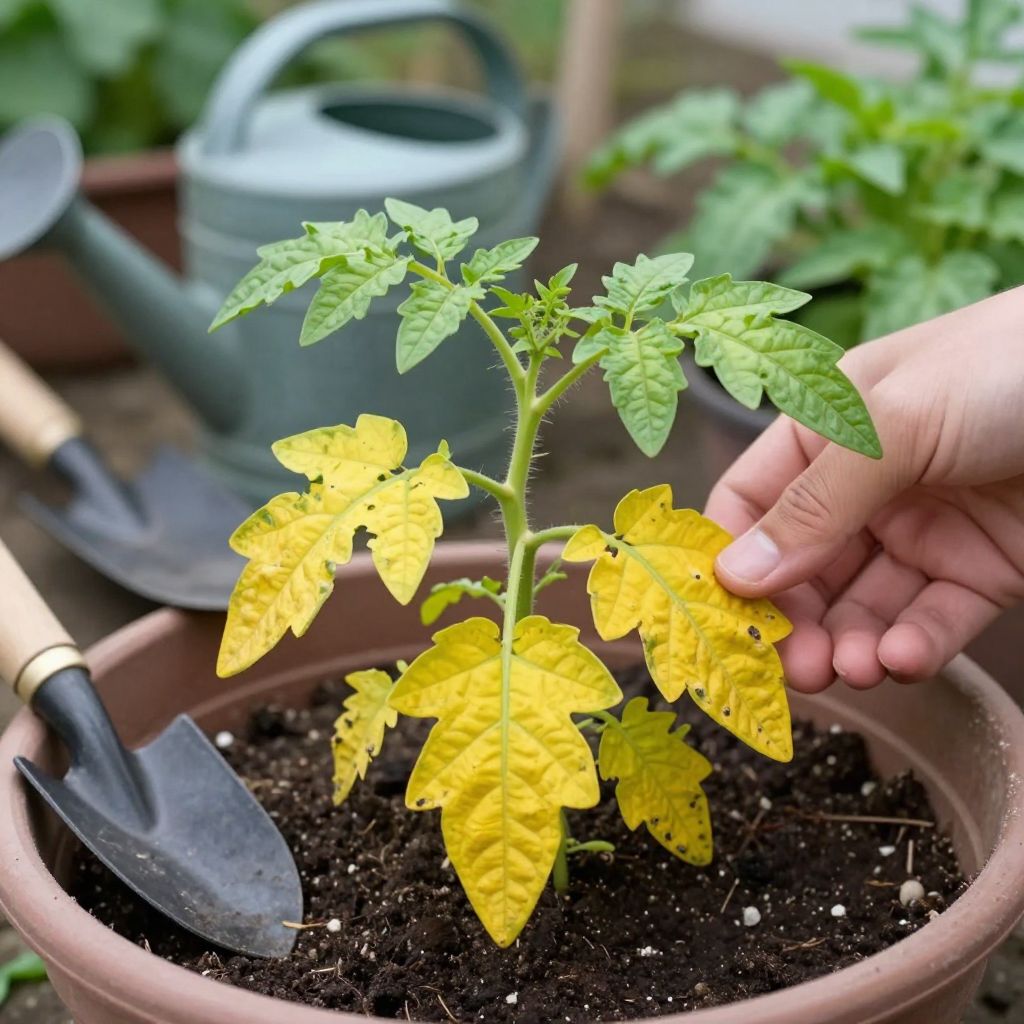
Why do plant leaves turn yellow? In most cases, yellowing leaves are a sign that the plant is stressed by watering problems, poor drainage, low light, nutrient issues, pests, or natural aging. The right fix depends on where the yellowing starts, which leaves are affected, and whether the plant is indoors or growing in the garden.
The good news is that yellow leaves are often a symptom you can diagnose and correct. With a close look at soil moisture, light, feeding, and pest damage, you can usually stop the problem from spreading and help the plant recover.
Why do plant leaves turn yellow?
Plant leaves turn yellow when chlorophyll breaks down or cannot be produced properly. The most common causes are overwatering, underwatering, poor drainage, nutrient imbalance, insufficient light, root stress, pests, disease, or normal aging of older leaves. The pattern of yellowing tells you which cause is most likely, so inspect the whole plant before treating it.
How to tell what is causing yellow leaves
Start by looking at which leaves are yellow, how fast the change happened, and whether the soil is too wet or too dry. A few yellow lower leaves may be normal, while sudden widespread yellowing usually means a care problem that needs attention.
Check the pattern of yellowing
- Older, lower leaves yellow first: often normal aging, low nitrogen, or a watering issue.
- New growth turns yellow: often iron deficiency, poor root function, or very low light.
- Yellowing with green veins: can point to nutrient deficiency, especially iron or magnesium.
- Yellow leaves with spots, webbing, or sticky residue: often pests or disease.
- Whole plant looks pale and weak: often light, root, or drainage problems.
Check the soil before you water again
Push a finger 1 to 2 inches into the soil for small pots, or 2 to 4 inches for larger containers and garden beds. If the soil feels wet, wait. If it is dry at that depth and the plant is wilting, it may need water.
Watering problems: the most common reason leaves turn yellow
Too much water is one of the fastest ways to cause yellow leaves. Roots need oxygen as well as moisture, and waterlogged soil can suffocate roots, leading to yellowing, drooping, and leaf drop. Underwatering can also cause yellowing, especially when the plant repeatedly dries out too much.
Signs of overwatering
- Soil stays wet for days
- Leaves turn yellow and may feel soft or limp
- Lower leaves yellow first
- Pots may have poor drainage or saucers full of water
- Roots may smell sour or look brown and mushy
How to fix overwatering
- Stop watering until the top layer of soil dries.
- Empty saucers and cachepots after watering.
- Make sure containers have drainage holes.
- If soil is dense and stays soggy, repot with a freer-draining mix.
- For garden beds, improve drainage with compost and avoid compacting wet soil.
Signs of underwatering
- Leaves turn yellow, then brown and crispy
- Soil pulls away from the pot or feels powdery dry
- Leaves may curl, wilt, or drop
- Plants in hot, windy, or sunny spots dry out quickly
How to fix underwatering
Water deeply so moisture reaches the root zone, not just the surface. For containers, water until it runs from the drainage holes. For garden plants, soak the soil slowly and mulch around the base to reduce evaporation.
Drainage and root problems
Even when you water correctly, poor drainage can keep roots too wet. Heavy clay soil, compacted ground, and containers without drainage holes all create conditions where roots struggle and leaves yellow.
What to look for
- Water puddles on the soil surface
- Roots circling tightly in a pot
- Slow growth despite regular care
- Yellowing that continues even after adjusting watering
Practical fixes
- Use pots with drainage holes and a well-aerated potting mix.
- In garden soil, mix in compost to improve structure, not just fertility.
- Avoid adding gravel at the bottom of pots; it does not solve drainage problems.
- Lift and inspect roots if a potted plant keeps declining.
Not enough light can make leaves yellow
Plants need enough light to make chlorophyll. If they are in too much shade, leaves may become pale green or yellow, growth may stretch, and flowering or fruiting may decline. This is especially common with houseplants moved away from windows or outdoor plants shaded by trees or buildings.
How to correct low light
- Move indoor plants closer to a bright window suited to their needs.
- Rotate pots every week or two so all sides get light evenly.
- Prune nearby growth that is blocking sun in outdoor beds if appropriate.
- Choose shade-tolerant plants for low-light spots instead of forcing sun-loving plants to cope.
Important: A plant that has been growing in shade for a long time may scorch if moved suddenly into strong sun. Increase light gradually when possible.
Nutrient deficiencies and yellow leaves
Yellowing can come from a shortage of nutrients, but it is easy to misread. A plant in soggy soil may show yellow leaves even if fertilizer is present, because damaged roots cannot absorb nutrients properly. Fix moisture and drainage first, then feed if needed.
Common nutrient-related yellowing patterns
- Nitrogen deficiency: older leaves yellow first, often evenly.
- Iron deficiency: new leaves turn yellow while veins stay greener.
- Magnesium deficiency: older leaves may yellow between veins.
How to feed without overdoing it
Use a balanced fertilizer or a compost top-dressing appropriate for the plant, following the product label and the plant’s growth stage. In containers, nutrients wash out faster, so potted plants may need feeding more often than garden plants. In cool seasons or when growth is slow, reduce feeding.
- Do not fertilize a stressed, rootbound, or waterlogged plant heavily.
- Compost improves soil health over time, but it is not a quick fix for severe deficiency.
- If you suspect a specific deficiency, correct the underlying cause before adding more fertilizer.
Pests and diseases that yellow leaves
Insects and plant diseases can cause yellowing by damaging leaves, stems, or roots. Check the undersides of leaves and the stems closely, especially if the yellowing is patchy, spotted, or accompanied by curling, distortion, or sticky residue.
Common pest clues
- Aphids: curled leaves, sticky honeydew, clusters on new growth
- Spider mites: fine webbing, speckled yellowing, dusty-looking leaves
- Whiteflies: tiny white insects that fly up when disturbed
- Scale insects: small bumps on stems and leaf veins
Common disease clues
- Yellow spots or blotches that spread
- Wilting even when soil is moist
- Blackened stems, rotting roots, or foul-smelling soil
- Leaf drop after a period of wet weather
What to do
- Isolate affected houseplants if possible.
- Remove badly damaged leaves with clean pruners.
- Rinse pests off with a strong spray of water when appropriate.
- Improve airflow around crowded plants.
- Discard severely diseased plant material rather than composting it if disease is suspected.
Natural aging is sometimes the answer
Not every yellow leaf means something is wrong. Many plants naturally shed their oldest leaves as they grow, especially at the base of the plant. If the rest of the plant looks healthy and new growth is strong, a few yellow lower leaves may simply be part of the normal cycle.
When aging is normal
- Only a few older leaves yellow at a time
- New leaves are healthy and green
- The plant is otherwise growing well
- Yellow leaves are mostly low on the plant or inside dense foliage
Remove fully yellowed leaves if they come away easily or if they spoil the plant’s appearance. Use clean scissors or pruners for a neat cut near the stem.
Indoor plants vs. outdoor plants
Yellow leaves happen for similar reasons indoors and outdoors, but the triggers are often different. Indoor plants more often struggle with low light, dry indoor air, inconsistent watering, or pot-bound roots. Outdoor plants are more affected by weather, soil drainage, heat, cold snaps, and seasonal changes.
Indoor plant troubleshooting
- Check whether the plant is too far from a window.
- Feel the soil before watering; many houseplants are overwatered.
- Look for root crowding in the pot.
- Wipe dust from leaves so they can photosynthesize properly.
Outdoor plant troubleshooting
- Inspect whether rain is pooling around the roots.
- Check for heat stress during hot spells.
- Watch for seasonal yellowing after cold weather or as plants enter dormancy.
- Mulch to stabilize soil moisture, but keep mulch a few inches away from stems.
A simple step-by-step fix for yellow leaves
If you want a practical way to respond, use this order. It helps you avoid treating the wrong problem and makes recovery more likely.
- Inspect the plant closely. Note where the yellowing starts and whether there are spots, pests, or wilting.
- Check moisture. Feel the soil and make sure the pot or bed drains properly.
- Review light levels. Compare the plant’s location with its light needs.
- Look at roots if needed. Gently unpot a container plant if it keeps declining.
- Adjust feeding only after watering and drainage are corrected.
- Remove dead or badly yellowed leaves. This helps the plant look better and reduces stress on weak tissue.
Common mistakes to avoid
- Watering on a fixed schedule without checking the soil
- Adding more fertilizer to a plant with rotten or crowded roots
- Ignoring drainage holes in containers
- Moving a shade-grown plant into harsh sun all at once
- Assuming all yellow leaves mean the same problem
- Leaving diseased leaves on the plant too long
When yellow leaves are a warning sign
Seek a closer look if yellowing spreads quickly, new growth is also affected, the plant wilts despite moist soil, or stems and roots look soft or dark. Those signs often mean the issue is more serious than a simple watering mistake.
If you want to keep learning how to read your plants, a good next step is to review related care topics such as watering, drainage, and soil health so you can spot problems earlier and keep foliage greener for longer.