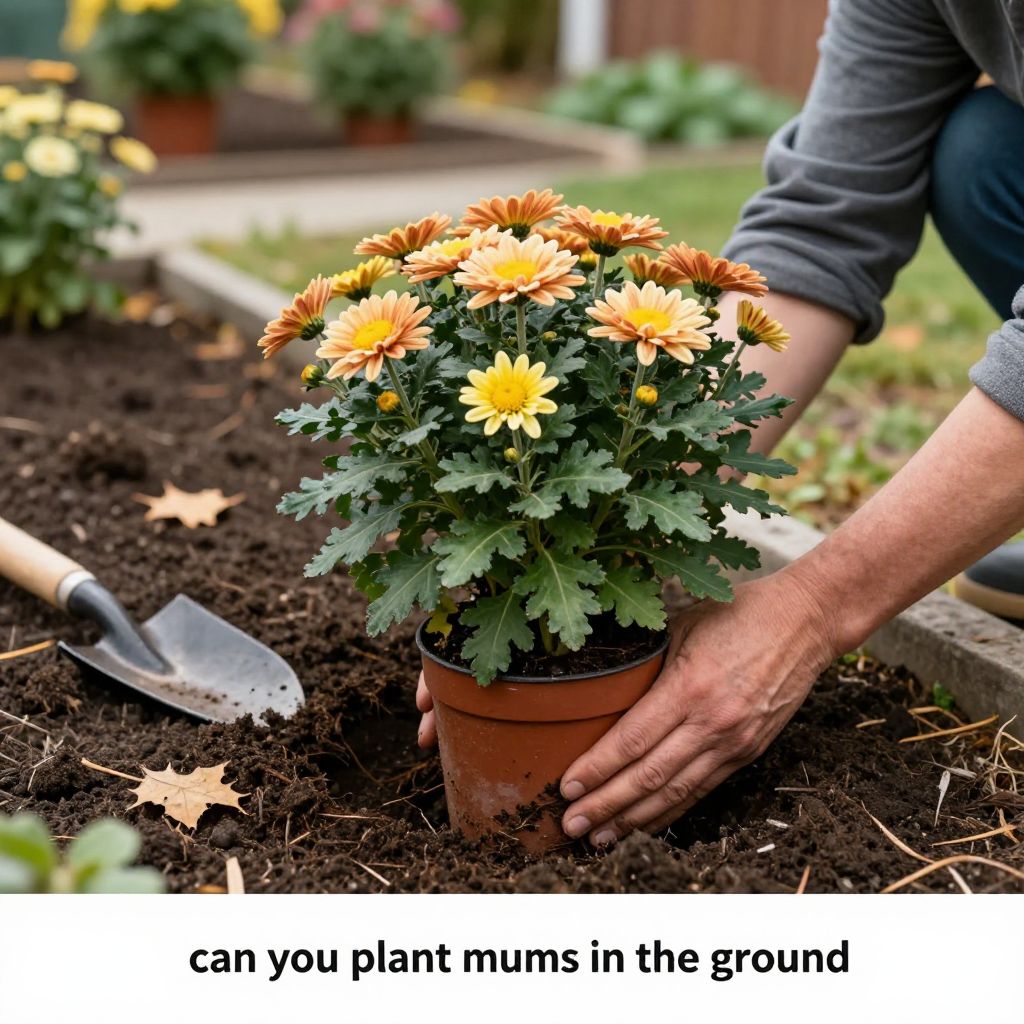
Can you plant mums in the ground? Yes—garden mums can be planted in the ground and often do best there when they have time to root in before cold weather. The key is choosing healthy plants, improving drainage, and matching the planting time to your climate so the roots establish well.
Whether you bought mums for fall color or want them to return next year, success depends on how and when you plant them. With the right site and a little aftercare, mums can become reliable border plants, container-to-garden transplants, or seasonal color in beds and foundation plantings.
Can You Plant Mums In The Ground?
Yes, you can plant mums in the ground, and garden mums (Chrysanthemum spp.) often perform better in landscape soil than in pots. For the best chance of survival, plant them in well-drained soil, give them plenty of sun, and set them in the ground early enough for roots to establish before hard frost.
What Kind of Mums Are Best for the Ground?
Not all mums behave the same way. The mums sold in autumn are often treated as seasonal color, while hardy garden mums are more likely to overwinter and return.
Look for healthy, compact plants
- Choose plants with green, firm stems.
- Avoid mums with yellowing leaves, wilting, or rootbound pots circling tightly at the bottom.
- Pick plants with some open blooms and many buds, not fully spent flowers.
If you want a long-term planting, ask whether the mum is a hardy garden mum or a florist-type mum. Hardy mums are the better choice for in-ground planting if you want them to come back in future seasons.
When Is the Best Time to Plant Mums?
The best time depends on your climate and your goal. In general, plant mums when the soil is workable and temperatures are mild enough for roots to grow without stress.
For fall color
You can plant mums in the ground in early to mid-fall if you still have several weeks before hard frost. This gives roots time to anchor the plant, though late plantings may not overwinter well in colder regions.
For long-term growth
Spring is usually the best time to plant mums if you want them to establish strongly. They get a full growing season to develop roots before winter arrives.
Rule of thumb: the earlier you plant mums in the ground during the growing season, the better their chances of surviving winter.
How to Plant Mums in the Ground
Planting mums is straightforward, but a few details make a big difference. The goal is to reduce transplant shock and give roots loose, airy soil to grow into.
- Choose a sunny site. Mums bloom best with at least 6 hours of direct sun daily.
- Check drainage. Avoid spots where water stands after rain.
- Loosen the soil. Work the planting area 8 to 12 inches deep if possible.
- Mix in compost. Add a modest amount to improve soil structure, especially in heavy clay or very sandy soil.
- Dig the hole. Make it about as deep as the root ball and slightly wider.
- Set the plant at the same level. Do not bury the crown too deeply.
- Backfill and water. Firm the soil gently and water thoroughly to settle roots.
- Mulch lightly. Add 1 to 2 inches of mulch, keeping it away from the stems.
If the plant is rootbound, gently tease apart the outer roots before planting. This encourages them to grow outward into the surrounding soil instead of staying trapped in the pot shape.
Soil, Drainage, and Sunlight Needs
Mums are adaptable, but they do best in soil that drains well and stays evenly moist rather than soggy. Heavy, waterlogged soil can lead to root rot and weak growth.
Soil conditions
- Best soil: loose, fertile, and well-drained
- Helpful amendment: compost to improve texture and moisture balance
- Avoid: compacted clay, low spots, and poorly drained beds
Sunlight
Full sun gives the strongest stems and best flowering. In very hot climates, a little afternoon shade can help reduce stress, but too much shade leads to floppy growth and fewer blooms.
Watering Mums After Planting
Newly planted mums need consistent moisture while roots settle in. Water deeply after planting, then check the soil regularly during the first few weeks.
The top inch of soil should dry slightly between waterings, but the root zone should not dry out completely. In warm, windy weather, container-grown transplants may need water more often than established garden plants.
Signs of watering problems
- Too dry: drooping leaves, crispy edges, buds that stall
- Too wet: yellowing foliage, limp growth, sour-smelling soil
Water at the base of the plant instead of overhead when possible. This helps reduce leaf disease and keeps blooms looking better longer.
How to Care for Mums in the Ground
Once planted, mums need a little routine care to stay compact, healthy, and flowering well. The basics are sunlight, moderate moisture, and light feeding in the right season.
Mulching
Mulch helps conserve moisture and moderate soil temperature. Keep mulch a few inches away from the crown so stems do not stay damp.
Feeding
If soil is reasonably fertile, mums often do fine with compost and light feeding. Too much nitrogen can produce lush leaves but fewer flowers, so avoid overfertilizing late in the season.
Staking
Taller mums may flop in wind or after heavy rain. A small stake or discreet plant support can keep stems upright without crowding the plant.
Pruning and Pinching for Better Shape
Pinching helps mums branch and form a fuller plant. This is most useful for spring and early summer plantings, not for mums already in late bloom.
How to pinch mums
- When stems are about 6 to 8 inches tall, pinch off the top inch or two.
- Repeat once or twice before mid-summer if the plant is actively growing.
- Stop pinching later in the season so flower buds can develop.
After flowering, you can leave the stems standing through winter in some climates for a little protection, then cut them back in spring once new growth begins.
Can Mums Survive Winter in the Ground?
Sometimes, yes—but winter survival depends on the type of mum, how early it was planted, and your local climate. Plants that go into the ground early enough to root well have a much better chance than late-season purchases planted just before frost.
What helps mums overwinter
- Planting in spring or early fall, not right before hard freeze
- Well-drained soil that does not stay wet in winter
- A light mulch layer after the ground begins to cool
- Choosing hardy garden mums instead of florist mums
In colder regions, even hardy mums may not return if winter is severe or the soil stays wet. If you want the best odds, plant them in a protected spot with good drainage and avoid cutting them back too early in fall.
Common Problems and How to Fix Them
Mums are usually easy to grow, but a few issues come up often after planting in the ground.
Wilting after planting
This is often transplant shock, especially if the plant was rootbound or the weather is hot. Water deeply, shade the plant briefly if needed, and keep the soil evenly moist for a week or two.
Flopping stems
Too much shade, rich soil, or lack of pinching can all cause weak stems. Move future plantings to a sunnier site and pinch early for a bushier shape.
Few flowers
Mums may bloom poorly if they get too much nitrogen, too little sun, or were pinched too late. Give them full sun and avoid heavy feeding late in summer.
Yellow leaves
Yellowing can point to overwatering, poor drainage, or nutrient stress. Check the soil first before adding fertilizer.
Pests and Diseases to Watch For
Healthy mums are fairly resilient, but crowded or stressed plants can attract pests and disease.
Common pests
- Aphids
- Spider mites in hot, dry weather
- Leaf miners or caterpillars in some areas
Inspect leaves regularly, especially the undersides. A strong spray of water can dislodge small pest populations, and removing badly damaged leaves can help slow spread.
Common diseases
- Powdery mildew
- Leaf spot
- Root rot in poorly drained soil
Good spacing, morning sun, and watering at the base all help reduce disease pressure. If a plant repeatedly gets mildew or rot, the site may be too shady or too wet for mums.
Can You Divide or Propagate Mums?
Yes. Established garden mums can often be divided in spring, and some gardeners also take cuttings from healthy new growth. Division is the simplest method for most home gardeners.
Division basics
Dig up the clump in spring when new shoots appear, then separate healthy sections with roots attached. Replant immediately and water well.
Why divide mums?
- Rejuvenates older clumps
- Helps control size
- Creates more plants for other spots in the garden
Do not divide a stressed or newly planted mum. Let it establish first before trying to propagate it.
Best Uses for Mums in the Landscape
Mums work well in borders, mixed beds, foundation plantings, and seasonal displays. Their rounded shape and late-season bloom make them useful for filling gaps when many summer flowers are fading.
For the best effect, plant them in groups rather than as single isolated plants. Repeating a few clumps along a walkway or in front of shrubs creates a fuller, more intentional look.
Conclusion
Can you plant mums in the ground? Absolutely—and with the right timing, sun, and drainage, they can be attractive seasonal plants or even long-term garden performers. Start with a healthy plant, set it in well-drained soil, and keep it watered while roots settle.
If you want to improve your chances of success, plant mums as early as your season allows and choose a sunny spot with good air flow. For more practical garden planting advice, you may also want to read about growing mums in the garden and winter care for chrysanthemums.