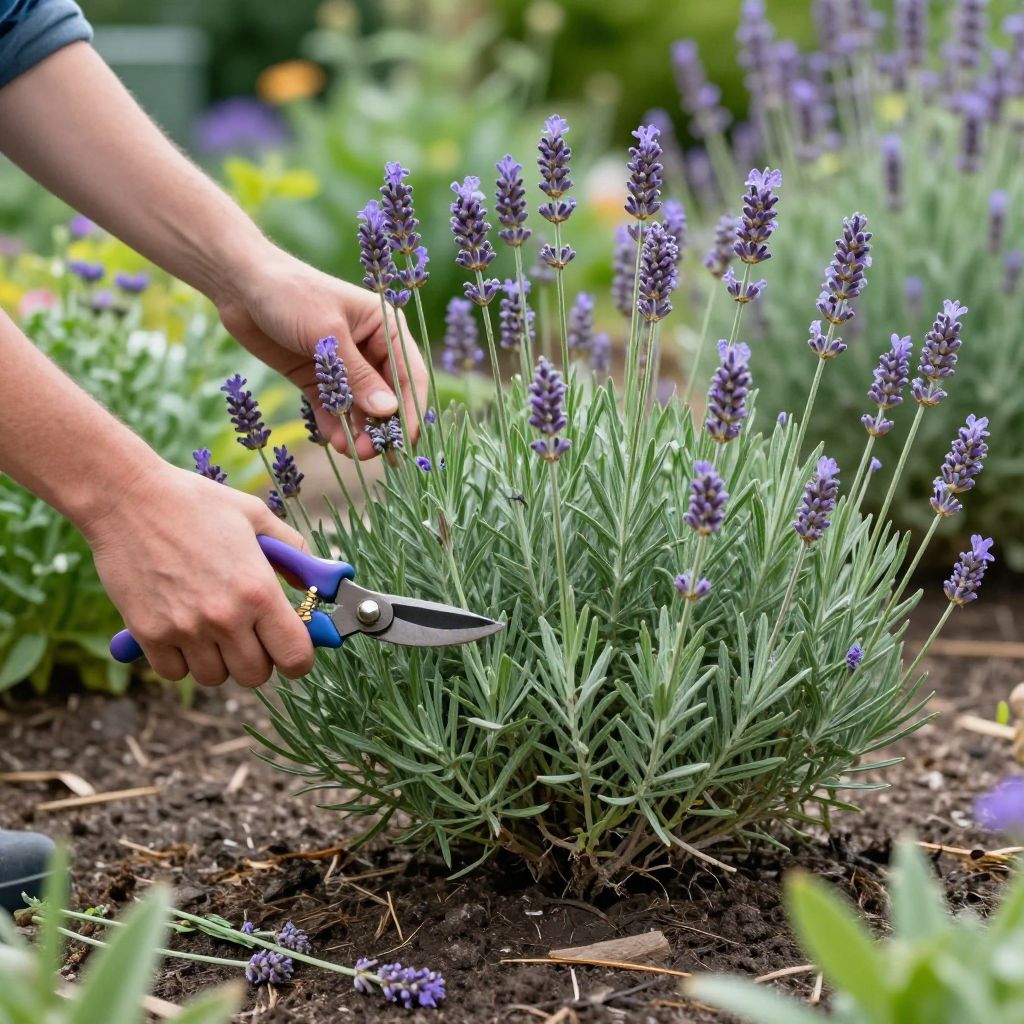
Wondering when to cut back lavender without damaging the plant or losing next season’s flowers? The timing matters because lavender is woody, slow to reshoot from old stems, and much happier with light, regular pruning than hard, late cuts. Get the season right, and you’ll keep plants compact, flowering well, and less likely to split open.
The best time depends on your climate and the plant’s condition, but most lavender is cut back after flowering and again lightly in spring if needed. Avoid cutting into old, leafless wood, and never prune heavily right before frost or during active cold weather.
When to cut back lavender?
Cut back lavender right after the main flush of flowers finishes, usually in late summer or early fall in many gardens. In colder climates, do the main shaping in spring after new growth starts, and only remove spent blooms lightly in autumn so you do not trigger tender growth before winter.
Why timing matters for lavender pruning
Lavender grows from soft, leafy stems at the tips and becomes woody at the base over time. If you prune too late in the season, new growth may be damaged by cold. If you cut too hard into old wood, the plant may struggle to regrow from bare stems.
Good timing helps you do three things:
- Encourage a compact, rounded shape
- Reduce flopping and splitting in mature plants
- Promote better flowering the following season
Most gardeners should think of lavender pruning as light, regular maintenance, not drastic cutting.
Best seasons for cutting back lavender
After flowering
This is the most common time to prune lavender. Once the flower spikes fade, trim off spent blooms and a small amount of green growth beneath them. In many regions this is the best moment to shape the plant without forcing a flush of vulnerable new shoots too close to winter.
Spring
If winter damage is likely in your area, wait until spring to do the main prune. Look for fresh buds and new growth at the base of the stems, then trim back the top growth to shape the plant. This is especially useful where winters are wet, cold, or unpredictable.
Autumn
In mild climates, you can give lavender a light cleanup after flowering in autumn. Keep it gentle. The goal is to remove spent flower stems and tidy the plant, not to hard-prune it. In colder areas, avoid major pruning in autumn because it can reduce winter hardiness.
How far back can you cut lavender?
As a rule, cut back only the soft, leafy growth and leave some green stems on the plant. A common guideline is to remove about one-third of the current season’s growth, or enough to keep the plant rounded and compact. Do not cut into bare, woody stems unless there are visible green shoots lower down.
That woody base is important. Lavender often does not regrow well from old, leafless wood, especially if the plant is mature or has been neglected for years.
A simple pruning rule
- Trim spent flower stems first
- Shorten soft growth by a small amount to shape the plant
- Stop where stems still have leaves or visible buds
- Leave the woody framework intact unless you see healthy green growth
Step-by-step: how to cut back lavender
- Wait for the right moment. Prune after flowering, or in spring if your winters are harsh.
- Use clean, sharp pruners. Bypass pruners make cleaner cuts than dull tools.
- Remove spent flower stems. Cut them back to the first set of leaves or to a compact point on the stem.
- Shape the plant lightly. Trim the outer growth to keep a rounded mound.
- Check the base. If the plant is leggy, only cut into areas that still have leaves or tiny buds.
- Clean up debris. Remove clippings from around the plant to reduce disease risk.
If you are pruning several lavender plants, step back often and compare their shapes. It is easy to remove too much when you work too close to the plant.
What kind of lavender are you growing?
Different lavender types can respond a little differently to pruning, though the basic rule is the same: avoid hard cuts into old wood. English lavender (Lavandula angustifolia) is often the most cold-tolerant and usually handles regular pruning well. French and Spanish lavenders may be less cold-hardy and can be more sensitive to winter pruning in cool climates.
If you are unsure which type you have, use the safest approach: prune lightly after bloom, and save any heavier shaping for spring when you can see how the plant has emerged from winter.
Common mistakes to avoid
- Cutting too late in the season and encouraging frost-tender growth
- Shearing into old wood with no leaves or buds
- Pruning too hard on a mature, woody plant
- Leaving plants unpruned for years, which can make them open and leggy
- Using dull tools that crush stems instead of cutting cleanly
One of the most common problems is trying to “rejuvenate” an overgrown lavender with a severe haircut. Sometimes that works on younger plants, but older woody specimens often respond poorly. If a plant is very bare at the base, gradual renovation over more than one season is safer than one drastic cut.
How to prune overgrown lavender safely
If your lavender has become tall, floppy, or woody, do not remove all the top growth at once. Instead, reduce it gradually over one to two seasons. Trim a little after flowering, then reassess in spring and cut back again only where you can still see green growth.
For severely neglected plants, it may be better to take cuttings and replace the original plant if it no longer has enough healthy growth to recover.
Signs your lavender is overdue for pruning
- Long, bare stems with flowers only at the tips
- A split or open center
- Woody stems leaning outward
- Fewer blooms than in previous years
- Plants flopping after rain or wind
Does lavender need pruning every year?
Yes, light annual pruning is usually helpful. Regular trimming keeps lavender compact and encourages fresh flowering growth. You do not need to prune aggressively every year, but skipping pruning for several seasons often leads to woody, untidy plants that are harder to manage later.
Think of it as maintenance. A small amount of pruning each year is easier on the plant than occasional heavy cutting.
Growing conditions that affect pruning success
Lavender prunes and recovers best when grown in full sun, sharply drained soil, and relatively dry conditions. Wet, heavy soil can weaken roots and make the plant less resilient after cutting back. If your lavender is in clay or a poorly drained bed, improving drainage matters as much as pruning timing.
- Sun: Aim for at least 6 to 8 hours of direct sun
- Soil: Fast-draining soil is essential
- Water: Water established plants sparingly, especially after pruning
- Mulch: Keep mulch away from the crown so stems do not stay damp
Lavender in containers may need a little more attention because pots dry out faster, but they also drain well if the potting mix is right. Even then, avoid overwatering after pruning.
Tools and cleanup
Use sharp hand pruners for most lavender plants. For larger hedges or older shrubs, hedge shears can be used carefully, but they are less precise and can encourage a flat, over-sheared shape if overused. Clean your tools before and after pruning to reduce the spread of disease.
After pruning, remove the clippings and inspect the plant’s base. Good airflow around the crown helps reduce rot, especially in humid or rainy weather.
Can you propagate lavender from prunings?
Yes, healthy non-flowering stems from pruning can sometimes be used for cuttings. Choose firm, green shoots rather than woody stems. If you want to try propagation, take a few healthy cuttings right after pruning, then root them in a free-draining medium and keep them in bright light out of harsh sun.
This is a useful way to replace aging plants or fill gaps in a border without buying new lavender right away.
Quick seasonal guide
- Spring: Shape lightly after new growth appears, especially in cold climates
- After flowering: Remove spent blooms and trim lightly to maintain shape
- Late summer to early fall: Fine for light pruning in mild regions
- Late fall and winter: Avoid hard pruning, especially where frost is likely
Conclusion
If you are asking when to cut back lavender, the safest answer is usually after flowering, with heavier shaping delayed until spring in colder climates. Keep cuts light, stay out of old woody stems, and let the plant keep enough green growth to recover well. If your lavender is overdue, start with a gentle prune this season and build a yearly routine from there.
For more practical plant care, you may also want to read about how to prune herbs and growing herbs in containers.