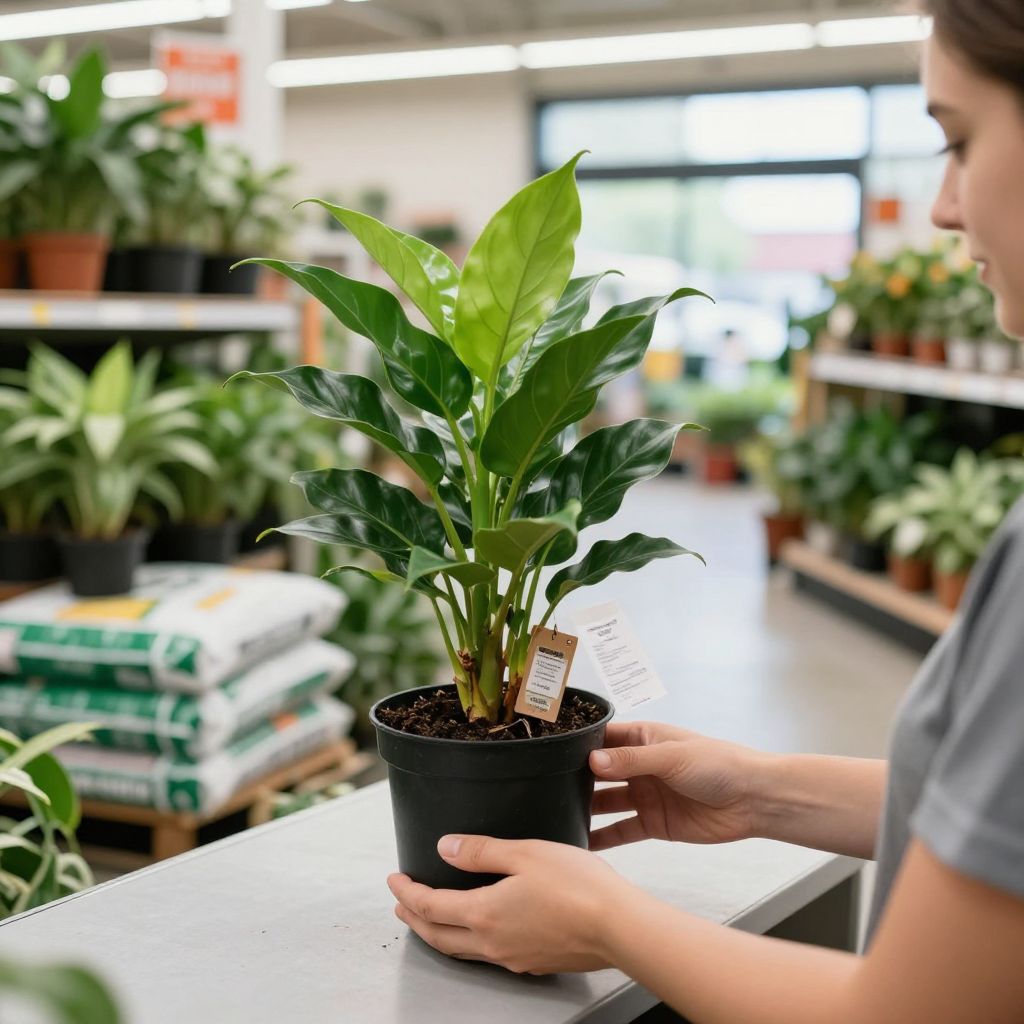
Can you return plants to Home Depot? If you bought a plant that arrived damaged, declined quickly, or simply wasn’t the right fit for your garden, the answer is often yes—but the exact outcome depends on the store’s current return policy, the plant’s condition, and whether you have proof of purchase.
For gardeners, the bigger question is what to do next so the plant doesn’t keep failing at home. A return may solve the purchase problem, but good plant care, quick troubleshooting, and the right growing conditions are what prevent repeat losses.
Can You Return Plants To Home Depot?
Yes, in many cases you can return live plants to Home Depot, especially if they are damaged, unhealthy, or not as described, but return approval depends on the store’s current policy and the condition of the plant. Bring your receipt or order confirmation, act quickly, and keep the plant in its original container if possible.
What to Check Before You Go Back to the Store
Before you return a plant, inspect it carefully so you can explain the problem clearly. Stores are more likely to help when the issue is easy to verify and the plant is still in recognizable condition.
Bring the right information
- Receipt or order confirmation
- Original plant tag, barcode, or packaging if you still have it
- Photos showing the damage or decline, especially for online orders
- The date you bought or received the plant
Document the plant problem
If the plant is failing, take a few close photos before you leave home. Good images of yellowing leaves, stem rot, broken branches, pest damage, or a dead root ball can help the customer service desk understand what happened.
For online purchases, photo documentation is especially useful because shipping stress, temperature swings, and delayed delivery can all affect live plants before you ever pot them up.
Common Reasons a Plant Return May Be Accepted
Stores usually look at whether the plant was damaged on arrival, mislabeled, or unhealthy at the time of purchase. A plant that simply struggled later because of poor aftercare may be handled differently than one that was already declining.
- Shipping damage such as broken stems, crushed foliage, or dry root balls
- Visible disease or pest issues present when you received the plant
- Severe transplant shock in a plant that never recovered after purchase
- Incorrect plant identification or a plant that was not as labeled
- Dead-on-arrival plants, especially for mail-order or delivery purchases
How to Return a Plant Without Making It Worse
If you need to take the plant back, handle it gently and keep the roots from drying out further. Even if the plant is already stressed, rough handling can make it harder for staff to assess the issue.
- Keep the plant in its nursery pot if possible.
- Water lightly if the root ball is dry, but do not soak it.
- Remove loose soil only if it is falling apart and messy.
- Place the plant upright in a box, tote, or bag for transport.
- Bring your receipt, card used for purchase, or order details.
If the plant is diseased or pest-infested, avoid setting it near healthy houseplants or garden beds on the way to the store. That helps reduce the chance of spreading fungus gnats, aphids, spider mites, or other problems.
What Home Depot May Ask When You Return a Plant
Customer service may ask a few practical questions to determine whether the plant qualifies for a return or exchange. Keep your explanation simple and factual.
- When did you buy the plant?
- Was it purchased in-store or online?
- What symptoms did you notice?
- Did the plant arrive damaged or decline after planting?
- Do you have a receipt or order number?
Be ready to explain whether the plant was kept indoors, outdoors, in full sun, partial shade, or a container. That context matters because many plant problems are caused by growing conditions rather than the plant itself.
What to Do If the Plant Is Not Returnable
Sometimes a return is denied, especially if the plant has been in your care for a while or the issue appears to be from environmental stress. In that case, you can still try to salvage it if the roots and stems are alive.
Quick triage for a struggling plant
- Check the roots: healthy roots are usually firm, not mushy.
- Inspect stems: scratch lightly; green tissue underneath suggests life.
- Remove dead leaves and broken growth.
- Repot into fresh, well-draining potting mix if the soil is sour or compacted.
- Move it to the right light for the species.
Do not overcompensate with water. Many returned or recently purchased plants fail because they were kept too wet after stress, which encourages root rot.
How to Help a New Plant Recover at Home
Whether you keep the plant or exchange it, the first few weeks matter most. New plants often need a gentle transition period before they can handle normal garden conditions.
Indoor plants
Place indoor plants in bright, indirect light unless the species clearly prefers stronger sun. Avoid sudden moves from low light to hot direct sun, which can scorch tender leaves.
Use a pot with drainage holes and a quality potting mix suited to the plant type. A cactus or succulent, for example, needs a faster-draining mix than a tropical foliage plant.
Outdoor plants
For outdoor plants, harden them off if they came from a greenhouse or indoor display. Gradually increase exposure to sun, wind, and outdoor temperatures over several days to a week, depending on weather.
Check your soil before planting. Heavy clay may need compost for structure, while sandy soil may need organic matter to improve moisture retention. Good drainage is essential for most container and landscape plants.
Signs the Plant Failed Because of Care, Not the Store
It helps to know when a plant problem is likely related to growing conditions. That way, you can fix the real issue rather than just replacing the plant and repeating the same mistake.
- Yellow leaves from overwatering, poor drainage, or nutrient imbalance
- Wilting in hot sun from heat stress or root damage
- Leaf drop after abrupt changes in light, temperature, or humidity
- Stunted growth from compacted soil, rootbound roots, or low light
- Brown leaf edges from dry air, salt buildup, or inconsistent watering
If the plant was healthy at purchase but declined later, review light, watering, drainage, and soil first. Many plants need a period of adjustment after transplanting, especially if they were moved from a greenhouse to a dry home or a hot landscape bed.
Preventing Problems With Future Plant Purchases
A few simple checks at the garden center can save you time and frustration later. Choose plants that look vigorous, well-rooted, and suited to your site conditions.
What to look for before buying
- Firm stems and leaves without widespread yellowing
- No visible insects, webbing, mold, or sticky residue
- Even soil moisture, not bone-dry or waterlogged
- Roots that are not circling heavily out of the pot
- Plant tags that match your sun, shade, and climate conditions
Ask yourself where the plant will live: full sun, part shade, bright indoor light, or a protected patio. A healthy plant can still fail if it is placed in the wrong exposure or soil type.
Common Mistakes to Avoid With Plant Returns
Some return problems are avoidable. These mistakes can make it harder to get help and can also make the plant harder to diagnose.
- Waiting too long to report damage or decline
- Throwing away the receipt, tag, or packaging too soon
- Overwatering a stressed plant before returning it
- Repotting repeatedly, which can worsen transplant shock
- Mixing a diseased plant with healthy plants in storage or transport
If you are unsure whether the plant is worth saving, take photos and inspect the roots before deciding. A plant with firm stems and some healthy roots may recover with better drainage, pruning, and light.
When an Exchange May Be Better Than a Refund
If you still want the same plant, an exchange can be the best option. This is especially true when the original issue was shipping damage or a plant that was clearly unhealthy on arrival.
An exchange makes sense when the plant type is still appropriate for your garden, the season is suitable for replanting, and you can give the replacement better conditions the second time around.
Before you bring home a replacement, prepare the planting site first. Improve the soil, confirm drainage, and make sure the light level matches the plant’s needs so the new one has a better chance of thriving.
Final Thoughts
So, can you return plants to Home Depot? Often yes, especially when the plant is damaged, mislabeled, or dead on arrival, but the decision depends on the store’s policy and your proof of purchase. If the plant stays with you, focus on correcting the growing conditions that caused the decline.
For more help choosing and caring for healthy plants, you may also want to read about choosing the right houseplants and planting flowers in containers.