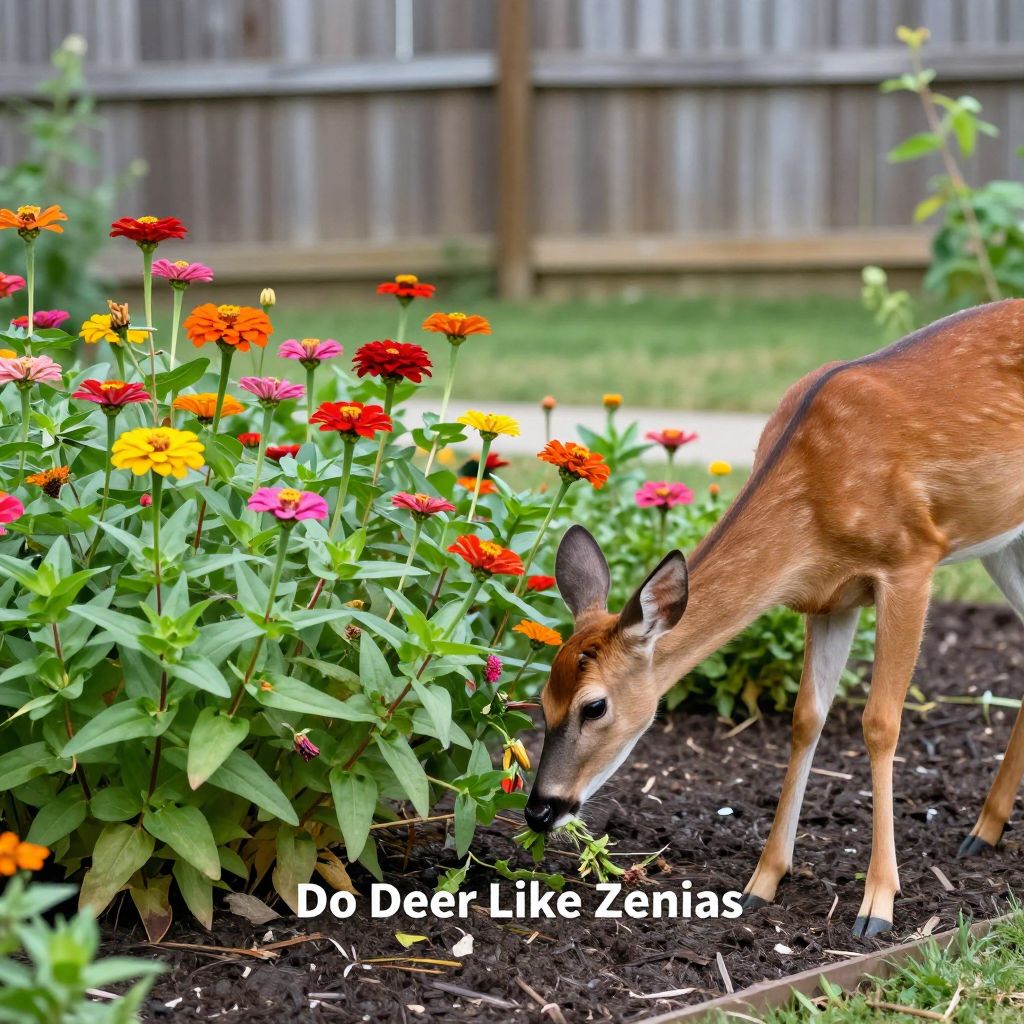
Do deer like zinnias? If you’re planting these bright annuals and worrying about hungry wildlife, the short answer is yes—deer may browse zinnias, especially when other food is scarce. They are not usually the first plant deer choose, but they are also not reliably deer-proof.
The good news is that zinnias can still be a smart, colorful choice in deer-prone gardens if you plant them thoughtfully and protect young plants. With the right placement and a few practical defenses, you can often enjoy plenty of blooms even in areas where deer wander through.
Do deer like zinnias?
Yes, deer sometimes eat zinnias, especially tender new growth, buds, and flowers. They are considered moderately deer-resistant at best, not deer-proof. In gardens with heavy deer pressure, zinnias may be nipped off, browsed to the ground, or damaged before they bloom.
Why deer may browse zinnias
Deer are opportunistic feeders. They prefer soft, tender, high-moisture plant tissue, and zinnias can fit that description when they are young or actively blooming.
What makes zinnias appealing to deer
- Soft foliage that is easy to chew
- Fresh new growth after pruning or rain
- Flower buds and petals when other forage is limited
- Open garden access near woods, hedges, or deer trails
In contrast, deer usually avoid plants with strong fragrance, fuzzy leaves, tough texture, or irritating sap. Zinnias do not have those strong deterrents, so they can be sampled when deer are hungry or curious.
When zinnias are most at risk
- During dry spells, when natural forage is limited
- In spring and early summer, when new growth is tender
- In gardens near wooded edges or open fields
- When deer populations are high and food sources are scarce
How to grow zinnias successfully in deer-prone areas
Zinnias are easy annuals to grow, but they perform best when you give them full sun, well-drained soil, and enough space for air circulation. Healthy, vigorous plants recover better from minor browsing and are less likely to struggle after damage.
Best growing conditions
- Sunlight: Full sun is best, ideally 6 to 8 hours or more each day.
- Soil: Loose, fertile, well-drained soil.
- Water: Even moisture while establishing, then water deeply when the top layer of soil dries.
- Airflow: Good spacing helps reduce mildew and leaf spot.
Zinnias dislike soggy soil. If your site stays wet, improve drainage before planting by mixing in compost and choosing a raised bed or mound. Poor drainage weakens plants, making them more attractive to pests and less able to bounce back from deer damage.
Planting tips that help reduce deer damage
- Plant in a protected location if possible, such as near a porch, fence, or frequently used path.
- Use companion plantings with strongly scented or less palatable plants around the bed, though this is only a mild deterrent.
- Start with sturdy transplants or well-established seedlings if deer pressure is high, since tiny seedlings are easiest for deer to wipe out.
- Avoid overcrowding so plants dry quickly after rain and are easier to inspect for damage.
How to protect zinnias from deer
If deer visit your yard regularly, prevention matters more than hoping they will ignore zinnias. The most reliable protection is a physical barrier, followed by repellents and smart garden placement.
Most effective deer protection methods
- Fencing: The most dependable option for repeated deer pressure.
- Repellents: Useful as part of a rotation, especially on young plants.
- Netting or temporary cages: Helpful for small beds or newly planted rows.
- Garden placement: Put zinnias where deer are less likely to linger.
Using repellents wisely
Deer repellents can help, but they work best when applied before deer start feeding and reapplied after rain or heavy irrigation. Always follow the product label and test on a few leaves first if the product is new to your garden.
Repellents are most useful when you combine them with other tactics. If deer are very hungry, they may still sample zinnias despite treatment.
Practical fencing guidance
- For small gardens, a properly installed fence is often the simplest long-term solution.
- Temporary wire cages can protect a new planting until the plants are larger.
- If you use decorative fencing, make sure it is tall and sturdy enough for local deer pressure.
One common mistake is assuming a short border fence will stop deer. In many areas, it will not. Deer can jump surprisingly well, and they may also squeeze through gaps if the opening is wide enough.
Can deer-damaged zinnias recover?
Sometimes. If deer only nibble the tips or flowers, zinnias often recover and produce more blooms. If deer eat the main stem or repeatedly browse the plant, recovery is less likely, especially in young seedlings.
What to do after deer browse your zinnias
- Inspect the plant for broken stems, stripped leaves, and snapped buds.
- Trim cleanly just above a healthy leaf node if stems are ragged.
- Water deeply if the soil is dry, so the plant can regrow without stress.
- Apply protection immediately so deer do not return the next night.
- Watch for secondary problems like disease entering damaged tissue.
If the main stem is gone on a young plant, it may not recover well. In that case, replanting and stronger protection is often the better use of your time.
Common zinnia problems that can look like deer damage
Not every missing leaf is caused by deer. Sometimes insects, disease, or weather create similar-looking damage, so it helps to inspect the plant closely before deciding what happened.
Look for these clues
- Deer damage: Torn or cleanly bitten stems, missing tops, browsed flowers, and damage higher on the plant.
- Insect damage: Chewed holes, skeletonized leaves, or visible pests on the underside of leaves.
- Disease: Yellowing, spotting, mildew, or collapse that starts from within the plant rather than at the tip.
- Weather injury: Bent stems, bruised leaves, or shredded tissue after hail or strong wind.
Other pests and diseases to watch for
- Powdery mildew in humid conditions or crowded plantings
- Leaf spot when foliage stays wet too long
- Aphids on tender growth
- Japanese beetles or caterpillars in some regions
Good spacing, morning watering, and removing badly infected leaves can help keep zinnias healthy. Healthy plants are less likely to be repeatedly targeted by deer because they recover faster and keep blooming longer.
Best care practices for stronger, more resilient zinnias
Strong zinnias are easier to protect and more rewarding to grow. A few simple care habits can make a big difference in how well they handle browsing pressure and summer stress.
Watering
Water at the base of the plant rather than overhead when possible. Deep, less frequent watering encourages stronger roots, while wet foliage can increase disease problems.
Adjust watering to your soil and weather. Sandy soil dries faster than clay soil, and container zinnias need more frequent attention than in-ground plants.
Soil and compost
Before planting, work in a modest layer of compost if your soil is poor or compacted. Compost improves structure, drainage, and moisture retention without making the soil overly rich.
Too much nitrogen can create lush, soft growth that is more attractive to deer and more prone to disease. Aim for balanced, steady growth rather than a flush of floppy foliage.
Deadheading and pruning
Remove spent flowers regularly to keep zinnias blooming. This also helps you spot deer damage early and encourages the plant to direct energy into new buds.
If deer have nipped the top, a clean pruning cut can sometimes stimulate branching below the damage point. Just avoid cutting into weak, diseased tissue.
Should you plant zinnias if deer are a problem?
Yes, if you love zinnias and are willing to protect them. They are not the safest choice for a yard with heavy deer pressure, but they can still work well in protected beds, fenced spaces, and gardens where deer visits are occasional rather than constant.
If your area has intense deer browsing, you may want to reserve zinnias for the most protected part of the garden and use stronger deer-resistant plants elsewhere. That way, you still get the color you want without losing every planting to wildlife.
Quick checklist for growing zinnias around deer
- Choose a sunny, well-drained site.
- Plant in healthy soil with moderate compost.
- Protect young plants early, before deer find them.
- Use fencing or repellents for repeated deer pressure.
- Inspect plants often for browsing, pests, and disease.
- Deadhead and water at the base to keep plants vigorous.
If you want to learn more about wildlife pressure in the garden, it also helps to understand what deer naturally prefer to eat so you can plan plantings and protection more effectively.