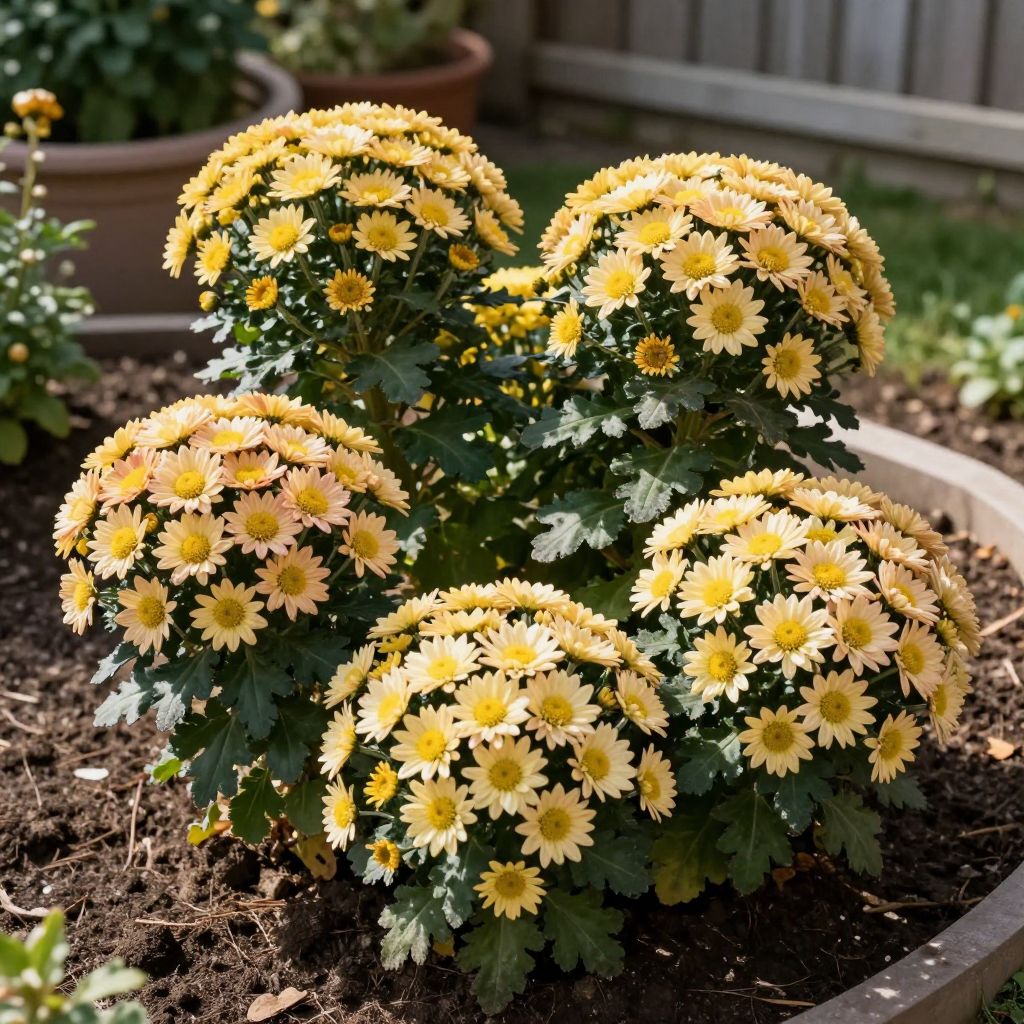
Do mums need sun? Yes—most mums grow and bloom best in full sun, which usually means at least 6 hours of direct light a day. They can survive in partial shade, but fewer blooms, leggier growth, and weaker stems are common when light is too low.
If you want compact plants packed with flowers, sunlight matters more than almost anything else. The good news is that with the right site, soil, and watering routine, mums are one of the easiest fall flowers to grow well in beds, borders, and containers.
Do mums need sun?
Yes. Garden mums, or chrysanthemum hybrids, perform best in full sun with 6 to 8 hours of direct light daily. In light shade, they may still grow, but flowering is usually reduced and stems can stretch toward the light. More sun generally means sturdier plants and a fuller display.
How much sun do mums really need?
For the best flowering, aim for a site with morning and early afternoon sun. In cooler climates, mums can handle all-day sun if the soil stays evenly moist. In hotter regions, a little afternoon shade can help prevent leaf scorch and heat stress.
Best light conditions for mums
- Full sun: 6 or more hours of direct light, ideal for dense growth and abundant blooms.
- Partial sun or light shade: 4 to 6 hours of sun, acceptable but often less floriferous.
- Deep shade: Not recommended; plants become weak, sparse, and more prone to disease.
If you are growing mums indoors temporarily, place them in the brightest window you have, usually south- or west-facing if available. Indoor mums still need strong light to hold their shape and keep blooming as long as possible.
What happens if mums don’t get enough sun?
Insufficient light is one of the most common reasons mums disappoint. The plant may survive, but it will usually look loose and floppy instead of compact and mounded.
Common signs of too little sun
- Few flower buds or delayed blooming
- Long, stretched stems with wide spaces between leaves
- Plants leaning toward the brightest side
- Smaller blooms and fewer of them
- Higher risk of mildew and other fungal problems because foliage dries more slowly
If your mums are already planted in shade, the simplest fix is to move them. Container-grown mums are easy to relocate, while in-ground plants may need transplanting to a brighter bed in spring or early fall, depending on your climate.
Where to plant mums for the best bloom
Choose a spot with bright light, good air circulation, and soil that drains well. Mums dislike soggy roots, so sun alone is not enough if the planting site stays wet after rain.
Outdoor planting checklist
- At least 6 hours of direct sun
- Loose, fertile soil that drains well
- Room for air movement around the plant
- Protection from strong winds if the area is exposed
- Enough space so nearby shrubs or fences do not shade the plant later in the season
If you are planting mums in a container, use a pot with drainage holes and a quality potting mix. Containers warm up and dry out faster than garden beds, so sun exposure may be excellent, but watering needs will be more frequent.
Soil, compost, and drainage for healthy mums
Mums do best in soil that holds some moisture but never stays waterlogged. A slightly enriched bed with compost usually gives them a strong start without making the soil heavy.
Simple soil improvements
- Work compost into the top layer of soil before planting.
- Break up compacted ground so roots can spread easily.
- Avoid planting in low spots where water collects after rain.
- If your soil is heavy clay, consider raised beds or containers for better drainage.
Good drainage helps mums use sunlight well. A plant in full sun but soggy soil will still struggle, because stressed roots cannot support strong growth and flowering.
Watering mums in sun
Sun-loving mums often need more frequent watering than shade-grown plants, especially in containers. The goal is even moisture, not constant wetness.
How to water correctly
- Water deeply when the top inch of soil feels dry.
- Water at the base of the plant rather than over the foliage when possible.
- Check containers daily during hot, sunny weather.
- Use mulch around in-ground mums to slow evaporation and keep roots cooler.
Try not to let mums wilt repeatedly. Severe drying followed by heavy watering can stress the plant and reduce bloom quality. At the same time, avoid overwatering, which can lead to root rot and yellowing leaves.
Can mums grow in partial shade?
Yes, but with limits. Partial shade can work if the plant still receives several hours of direct morning sun and the site is otherwise bright. The more shade you have, the less likely you are to get the full, rounded flower display most gardeners want.
When partial shade is acceptable
- In very hot climates where afternoon sun is intense
- When the plant gets bright morning sun and open sky for the rest of the day
- For short-term display plants that will be replaced after the season
If your mums are in a spot with only dappled light, expect fewer blooms. You may still enjoy healthy foliage, but the plant will not perform like one grown in full sun.
Pruning and pinching for fuller mums
Sunlight helps mums stay compact, but pruning also matters. Pinching young growth encourages branching, which creates a bushier plant with more flowering stems.
Basic pinching guidance
- Pinch back soft stem tips earlier in the growing season to encourage branching.
- Stop pinching once buds begin to form, or you may remove flower buds.
- Remove faded blooms to keep the plant tidy and redirect energy.
Do not over-prune late in the season. Once mums are preparing to flower, they need their leaves to capture sunlight and support bud development.
Common pests and diseases when mums are short on sun
Low light and poor airflow can make mums more vulnerable to problems. Fungal diseases are especially common when leaves stay damp and the plant is crowded.
Watch for these issues
- Powdery mildew: a white coating on leaves, often worse in shade and humid conditions
- Leaf spots: dark or discolored patches that spread in wet weather
- Aphids: small insects that cluster on tender growth
- Spider mites: more likely in hot, dry conditions, especially on stressed plants
To reduce problems, give mums enough sun, avoid overcrowding, and water at the soil level. Remove badly affected leaves and dispose of them rather than leaving them in the bed.
Growing mums in containers versus the ground
Container mums are easy to move into better light if needed. In-ground mums are more permanent and may overwinter better in some climates, but they are harder to relocate if the site is too shady.
Container tips
- Use a pot at least wide enough to support the root ball comfortably.
- Choose a free-draining potting mix, not garden soil.
- Rotate the pot every week or so if one side gets stronger light.
- Check moisture often because pots dry faster in sun and wind.
For either method, the plant’s light exposure should match the season. A sunny spring location may become shaded later if nearby trees leaf out, so observe the site across the year.
Quick troubleshooting guide
If your mums are not thriving, the problem is often a combination of light, water, and drainage rather than sunlight alone.
- Leggy growth: move to a sunnier site and pinch earlier next time.
- Few flowers: increase sun exposure and avoid too much nitrogen fertilizer.
- Yellowing leaves: check for overwatering or poor drainage.
- Wilting in hot sun: water deeply, mulch, or give light afternoon shade in very hot climates.
- Mildew: improve airflow and reduce shade and overhead watering.
Best practices for healthy, sun-loving mums
To get the best results, think of mums as plants that want bright light, steady moisture, and well-drained soil. When those needs are met, they reward you with a dense, colorful display.
- Plant where the sun is strongest for most of the day.
- Improve soil with compost and make sure drainage is good.
- Water consistently, especially in containers and during hot weather.
- Pinch early for bushier growth, then let buds form.
- Watch for shade changes as the season progresses.
If you are deciding where to place your mums today, choose the brightest spot you have with good drainage and air movement. For more practical flower-growing guidance, look for related articles on container planting, fall garden care, and watering techniques that match your local climate.