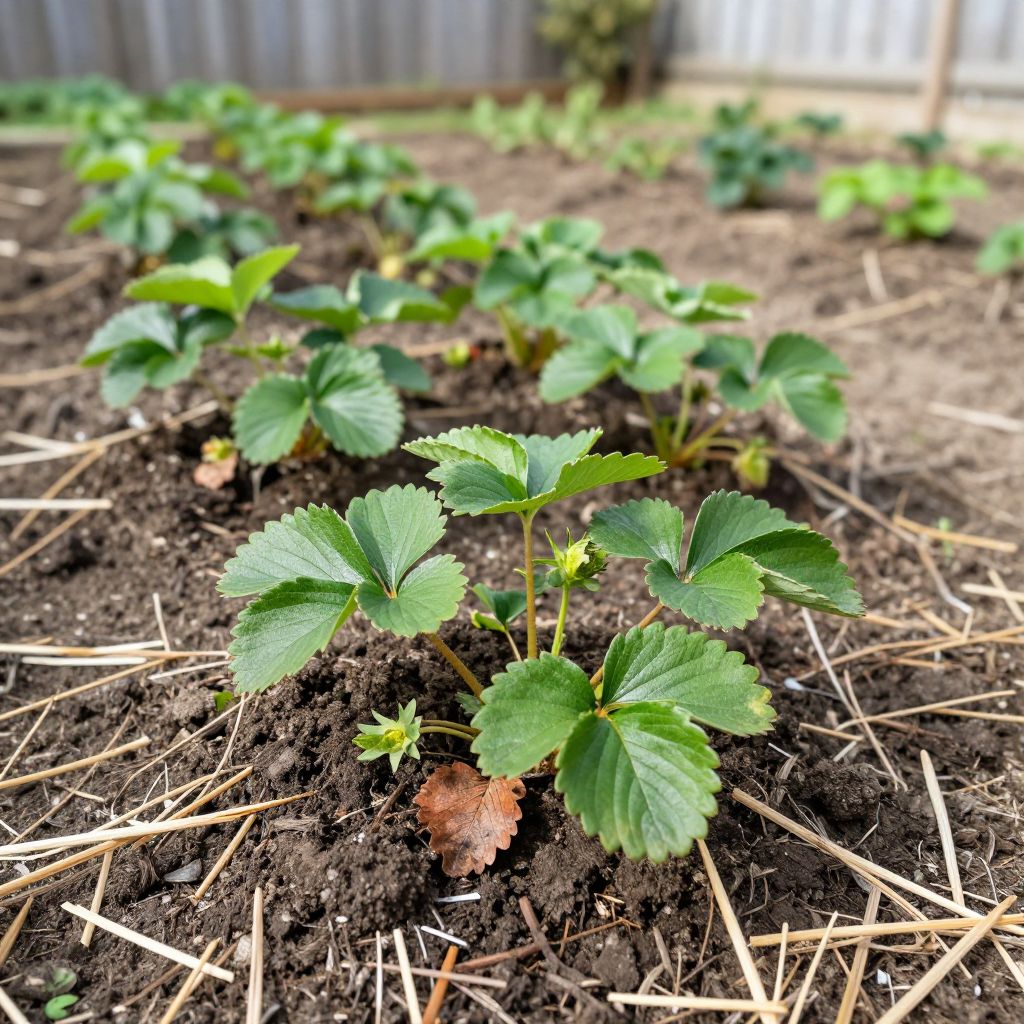
Do strawberry plants come back after winter, or do you need to replant them every year? The answer depends on the type of strawberry you grow and how well you care for it through the seasons.
Most garden strawberries are perennial, which means they can return for several years. But their productivity changes over time, and some gardeners treat them like annuals for the best harvests.
Do Strawberry Plants Come Back?
Yes, strawberry plants can come back year after year if they are perennial types and survive your local winter conditions. In most gardens, the same plant may regrow in spring, flower, and fruit again, though yields usually decline after a few seasons unless you renew the bed with runners or new plants.
How Strawberry Plants Grow Year After Year
Most home garden strawberries are Fragaria × ananassa, a perennial fruiting plant. During the growing season, the crown sends out leaves, flowers, and runners, then slows down as temperatures cool.
In cold weather, the plant does not truly “die” if it is hardy in your area. Instead, it goes dormant, storing energy in the crown and roots until spring warmth triggers new growth.
What “coming back” looks like
- Spring: New leaves appear from the crown.
- Late spring to early summer: Flowers form, followed by fruit.
- Summer: Runners may appear and root nearby.
- Fall: Growth slows as the plant prepares for dormancy.
- Winter: The top growth may die back, but the crown can survive.
Which Strawberry Plants Return Best?
Not all strawberries behave the same way. The main garden types are June-bearing, everbearing, and day-neutral strawberries, and all can be perennial in suitable climates.
June-bearing strawberries
These produce one large crop in a relatively short window. They often perform well for several years if you manage runners and keep the bed healthy.
Everbearing and day-neutral strawberries
These can fruit in more than one flush during the season. They still come back, but they may need more consistent watering and feeding to keep producing well.
Wild strawberries
Some smaller wild or alpine strawberries are also perennial and often very hardy. They can be a good choice for edging, containers, or low-maintenance groundcover.
What Helps Strawberry Plants Survive Winter?
Cold tolerance depends on variety, local climate, soil drainage, and winter protection. A healthy plant with a strong crown is far more likely to return than one stressed by drought, disease, or poor soil.
Key winter survival factors
- Well-drained soil: Wet crowns are more likely to rot in winter.
- Healthy foliage going into fall: Leaves help store energy before dormancy.
- Mulch protection: Straw, pine needles, or shredded leaves can buffer temperature swings.
- Proper planting depth: The crown should sit at soil level, not buried.
- Variety suited to your climate: Local adaptation matters more than a generic label.
If you live in a colder region, winter mulch is especially important. Apply it after the soil has cooled and the plants have gone dormant, not too early when you still want the plants to harden off naturally.
How to Care for Strawberry Plants So They Come Back
Good care during the growing season is the best way to encourage strawberries to return. The goal is to build strong crowns, healthy roots, and enough stored energy for dormancy.
1. Give them full sun
Strawberries usually need at least 6 to 8 hours of direct sun for strong growth and reliable fruiting. In very hot climates, some afternoon shade can help reduce stress, but too much shade leads to weak plants and poor yields.
2. Plant in loose, fertile, well-drained soil
Strawberries prefer soil that drains well and holds some moisture without staying soggy. A slightly acidic to neutral soil is generally best, but the most important factor is drainage.
Before planting, work in compost to improve soil structure. Avoid heavy, compacted ground unless you can raise the bed or amend it well.
3. Water consistently, especially while establishing
New plants need steady moisture to root in. Mature plants also need regular water during flowering and fruiting, especially in dry weather, but the soil should never stay waterlogged.
Water at the base of the plant when possible. Wet leaves can encourage disease, especially in humid climates.
4. Mulch to protect roots and fruit
Mulch helps keep soil moisture even, reduces weeds, and keeps berries cleaner. Straw, shredded leaves, or other light organic mulch works well once plants are established.
5. Remove old or damaged leaves
After harvest, trim away dead, diseased, or heavily spotted leaves. This improves airflow and reduces disease pressure, but do not cut into the crown.
6. Manage runners
Runners are new plantlets that spread from the mother plant. They are useful for propagation, but too many runners can drain the plant’s energy.
- Let a few runners root if you want new plants.
- Remove extra runners if your goal is bigger fruit.
- Thin crowded patches so plants do not compete for light and nutrients.
When Strawberry Plants May Not Come Back
Sometimes a strawberry plant fails to return, even if it is technically perennial. The most common reason is not cold alone, but stress from poor growing conditions or age.
Common reasons for failure
- Winter injury: Crowns exposed to severe cold or freeze-thaw cycles may die back.
- Root rot: Soil that stays wet can damage roots and crowns.
- Poor planting depth: Crowns planted too deep may rot; too shallow may dry out.
- Old age: Older plants often become less productive after a few years.
- Pests and disease: Leaf diseases, crown rot, or insect damage can weaken plants.
If a plant fails to leaf out in spring, scratch the crown gently. A firm, healthy crown may still be alive, while a brown, mushy, or hollow crown usually indicates the plant is dead.
How Long Do Strawberry Plants Last?
Strawberry plants often remain productive for several years, but many gardeners replace or renovate beds after a few seasons because fruit size and yield decline. That does not mean the plants cannot come back; it means they may not come back strongly forever.
To keep a patch productive, many gardeners use a cycle of renewing plants from healthy runners or adding new transplants periodically. This keeps the bed vigorous and helps maintain berry quality.
Signs your patch needs renewal
- Smaller berries than in previous years
- Fewer flowers and less fruit
- Overcrowded crowns and weak airflow
- More disease or leaf spotting
- Heavy runner growth with little fruit production
Seasonal Care Tips by Time of Year
Strawberries respond well to seasonal attention. A few simple tasks at the right time can make the difference between a weak patch and one that returns reliably.
Spring
- Remove winter mulch gradually as temperatures warm.
- Check for dead crowns and trim damaged leaves.
- Water if spring is dry.
- Watch for flower buds and protect blooms from late frost if needed.
Summer
- Harvest berries promptly when ripe.
- Keep soil evenly moist during fruiting.
- Control runners according to your propagation goals.
- Remove diseased foliage to improve airflow.
Fall
- Clear away weak, diseased, or crowded growth.
- Let plants harden off naturally as temperatures cool.
- Apply mulch after dormancy begins in colder regions.
- Water before hard freezes if the soil is dry.
Winter
- Keep mulch in place where winters are cold.
- Do not uncover plants too early during warm spells.
- Check containers more often, since pots dry out and freeze faster than garden beds.
Growing Strawberries in Containers or Small Spaces
Container-grown strawberries can also come back, but they need more protection than in-ground plants because roots are exposed to temperature swings. Pots dry out faster and can freeze harder in winter.
Use a container with drainage holes and a quality potting mix that drains well. In cold climates, move containers to a sheltered spot or insulate them to help the crowns survive.
Container mistakes to avoid
- Using a pot without drainage
- Letting the mix dry out completely during fruiting
- Leaving pots exposed to harsh winter winds
- Overcrowding too many plants in one container
Common Pests and Diseases That Affect Return Growth
Strawberries can come back poorly if pests or disease weaken them over time. Healthy plants are more resilient, but regular observation is important.
Watch for these issues
- Slugs and snails: They chew leaves and fruit, especially in damp beds.
- Birds: They may take ripe berries before you do.
- Leaf spot diseases: These reduce vigor and can spread quickly in wet conditions.
- Crown rot: Often linked to poor drainage or stressed plants.
To reduce problems, keep plants spaced well, water at the soil line, remove infected leaves, and avoid letting fruit sit on wet soil.
Best Practices for Propagating New Plants
If you want your strawberry patch to keep coming back, propagation is one of the easiest ways to renew it. Healthy runners can become new plants, giving you fresh, vigorous starts.
- Choose a strong mother plant with good fruiting and healthy leaves.
- Let one or two runners root in small pots or directly into soil.
- Keep the new plantlet moist until established.
- Separate it from the parent plant once roots are formed.
- Replace older, declining plants with the new ones as needed.
This approach helps you maintain a productive patch without buying new plants every season.
Conclusion: Will Your Strawberry Plants Come Back?
In most gardens, yes—strawberry plants can come back if they are suited to your climate and given the right care. The strongest plants are grown in full sun, well-drained soil, and a bed that is renewed over time.
For the best results, check your crowns in early spring, clean up damaged growth, and decide whether to keep, divide, or replace older plants. If you want to grow strawberries in limited space, you may also find this guide useful: can you grow strawberries indoors.