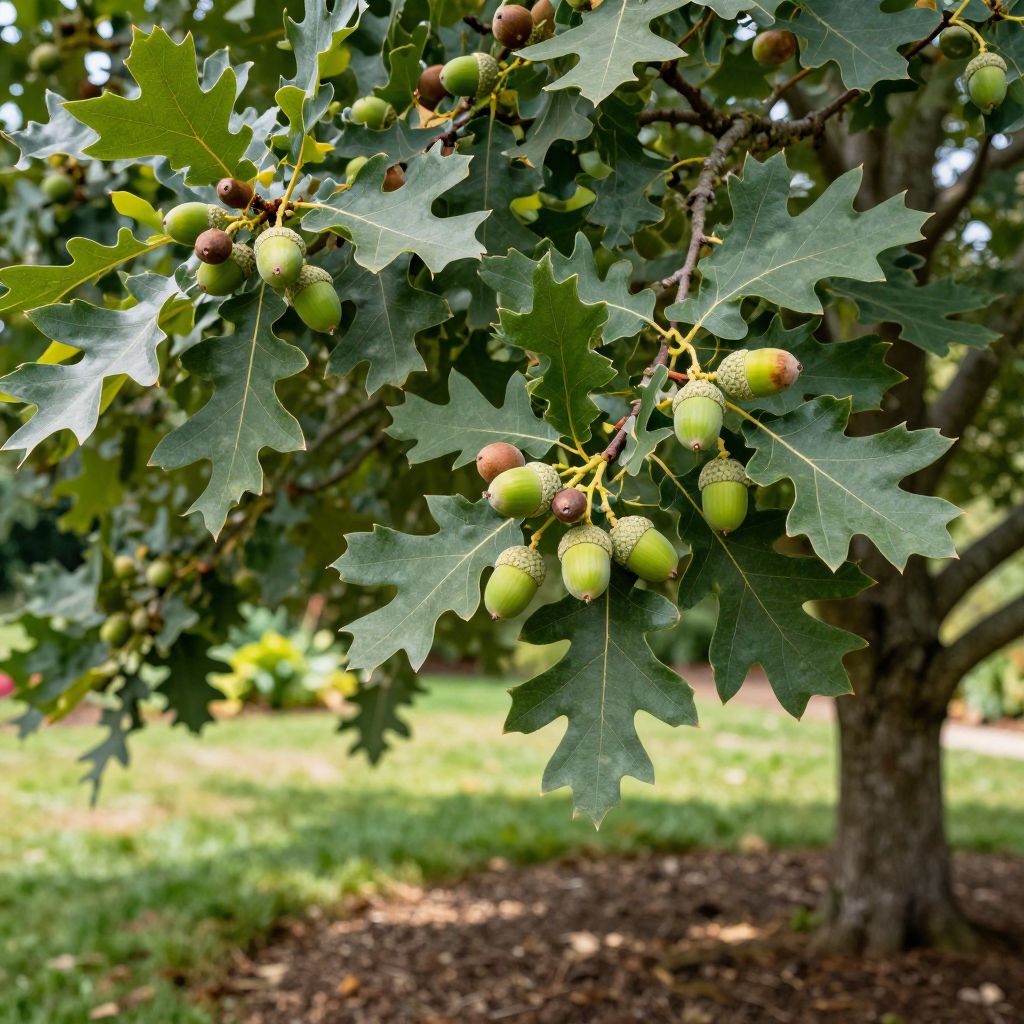
Do oak trees have acorns every year? If you’ve noticed some seasons loaded with nuts and others with almost none, you’re seeing a normal part of oak tree biology. Oaks do produce acorns regularly, but the crop size changes a lot from year to year, depending on species, weather, age, and growing conditions.
For home gardeners, that means a healthy oak may flower and set acorns often, but you should not expect a heavy acorn crop every single year. Understanding why helps you care for the tree properly, manage cleanup, and decide whether to collect acorns for propagation or wildlife.
Do oak trees have acorns every year?
Most oak trees produce acorns in many years, but not usually in the same amount every season. Many oaks have a pattern of heavy crops in some years and light crops in others, a natural cycle often called masting. Weather during flowering, pollination, and spring growth strongly affects whether acorns develop well.
Why acorn production changes from year to year
Oak trees are long-lived, and their seed production is influenced by both the tree’s energy reserves and the environment. A tree may bloom one spring but drop many flowers or tiny acorns if conditions are poor.
Common reasons for light acorn crops
- Late frost can damage flowers or young developing acorns.
- Heavy rain or wind during pollination can reduce seed set.
- Drought stress may cause the tree to conserve energy instead of producing seed.
- Low light or crowding can weaken overall tree vigor.
- Tree age matters; very young oaks may not produce many acorns yet.
- Natural cycle means some years are simply “off” years.
What “masting” means for gardeners
In a mast year, many oaks in the same area may produce a large acorn crop at once. This is normal and can happen after a lighter year. It also means acorn production is not something you can judge from one season alone.
How to tell if your oak is likely to produce acorns
If your oak is mature, healthy, and getting enough sun, it has a better chance of producing acorns. Still, species and site conditions matter. Some oaks begin bearing earlier than others, while others need many years before they produce noticeable crops.
Signs your oak is in good condition
- Leaves are full-sized and evenly colored for the species.
- New growth appears each season.
- Branch tips are not dying back heavily.
- The canopy is not severely shaded by nearby trees or buildings.
- The trunk and major limbs show no major decay or canker issues.
Signs acorn production may be limited
- Thin canopy or sparse foliage.
- Repeated drought stress.
- Root damage from construction or soil compaction.
- Severe pest or disease pressure.
- Very young tree age, especially on recently planted oaks.
What oak care helps support acorn production?
Healthy oaks are more likely to flower and set acorns, but good care is really about supporting the whole tree, not forcing seed production. Focus on root health, soil conditions, and avoiding stress. A strong tree will usually produce more consistent crops over time.
1. Give the tree enough room
Oaks are large trees. Crowding from other trees, fences, pavement, or structures can limit light and root spread. If you are planting a new oak, choose a site where the canopy and roots can expand naturally over time.
2. Protect the root zone
Most feeder roots are near the soil surface, often extending well beyond the drip line. Avoid digging, trenching, or repeatedly compacting soil under the canopy.
- Keep heavy foot traffic off the root zone when possible.
- Do not pile soil or mulch against the trunk.
- Use a wide mulch ring instead of turf right up to the trunk.
3. Water during dry spells
Established oaks usually do not need frequent shallow watering, but prolonged drought can reduce acorn production and tree health. Water deeply when soil is dry several inches down, especially on younger trees and during extended hot weather.
For newly planted oaks, consistent moisture is more important while roots establish. Let local weather and soil type guide you; sandy soils dry faster than clay soils.
4. Mulch correctly
A 2- to 4-inch layer of wood chips or shredded bark helps conserve moisture and moderate soil temperature. Keep mulch a few inches away from the trunk to prevent rot and pest problems.
5. Prune lightly and at the right time
Oaks usually need minimal pruning once established. Remove dead, broken, or crossing branches as needed, but avoid heavy pruning that removes too much canopy at once.
- Use clean, sharp tools.
- Make cuts just outside the branch collar.
- Do not top the tree.
- Limit pruning when the tree is stressed by heat or drought.
Can you grow an oak from acorns?
Yes, fresh acorns can be used to grow new oak trees, and this is one reason acorn crops matter to gardeners. The best acorns are usually plump, firm, and free of holes or mold. Many oak species germinate best when planted soon after collection, depending on local climate and species type.
Simple acorn collection tips
- Collect acorns as they fall naturally.
- Discard acorns with cracks, holes, or obvious damage.
- Float-test them in water if helpful; many poor acorns float, though this is not perfect.
- Plant promptly or store them cool and slightly moist if your species allows it.
Common mistakes when starting oaks from acorns
- Letting acorns dry out completely.
- Planting too shallow or too deep.
- Using waterlogged soil without drainage.
- Starting seedlings in containers that are too small for the taproot.
Do all oak species produce acorns the same way?
No. Different oak species vary in how often they produce acorns, how many they make, and how quickly they begin bearing. Some species are more reliable producers than others, but even then, weather and site conditions can change the crop from year to year.
Why species differences matter
When identifying an oak in your yard, knowing the species can help you understand the tree’s growth habit, mature size, and likely acorn pattern. If you are unsure what kind of oak you have, proper identification is a useful first step before making care decisions.
What pests and diseases can affect acorn crops?
Several pests and diseases can reduce acorn production or damage the tree enough to weaken future crops. You may not notice the issue until acorns fail to mature or drop early.
Common problems to watch for
- Insect damage to flowers, developing acorns, or leaves.
- Fungal diseases that weaken foliage or branches.
- Root stress from poor drainage or construction damage.
- Defoliation from caterpillars or other leaf-feeding pests.
What to do if your oak looks stressed
Start with the basics: check soil moisture, look for trunk wounds, and inspect leaves and branches for obvious damage. If the tree is large or symptoms are severe, a certified arborist can help diagnose the issue safely.
How to manage acorn drop in the landscape
When an oak has a heavy crop, acorns can cover lawns, patios, and garden beds. This is normal, but it can be messy and may attract wildlife. A little planning makes cleanup easier.
Practical cleanup options
- Rake acorns from lawns before they become embedded in grass.
- Use a leaf blower or lawn sweeper for large areas.
- Collect acorns for wildlife-friendly use or propagation if they are healthy.
- Keep walkways clear to reduce slipping hazards.
Should you remove every acorn?
Not necessarily. Some acorns are valuable food for birds, squirrels, deer, and other wildlife. If you want to reduce seedlings next season, remove as many as practical from beds and turf, especially in areas where unwanted oak sprouts would be hard to manage.
When to be concerned about no acorns at all
If a mature oak that usually produces acorns suddenly has none for several years, the tree may be under stress. One off year is common, but repeated failure can point to a larger problem.
Possible warning signs
- Large sections of dead branches.
- Thinning canopy over multiple seasons.
- Leaf scorch, early leaf drop, or poor leaf size.
- Visible trunk damage or decay.
- Recent construction near the root zone.
In these cases, focus on tree health first. A stressed oak is less likely to produce acorns consistently, and forcing the issue is not realistic. Good soil care, moisture management, and reducing root disturbance are usually more helpful than trying to “make” the tree fruit.
Conclusion: what you should expect from oak acorns
So, do oak trees have acorns every year? Often yes, but not always in the same quantity. A healthy mature oak may flower most years, yet acorn production naturally rises and falls with weather, age, and tree vigor. If you want better crops, keep the tree healthy, protect its roots, and watch for stress early.
If you’re still identifying the tree in your yard or comparing oak types, you may also find it helpful to read about how to identify what type of tree you have before planning care or collecting acorns.