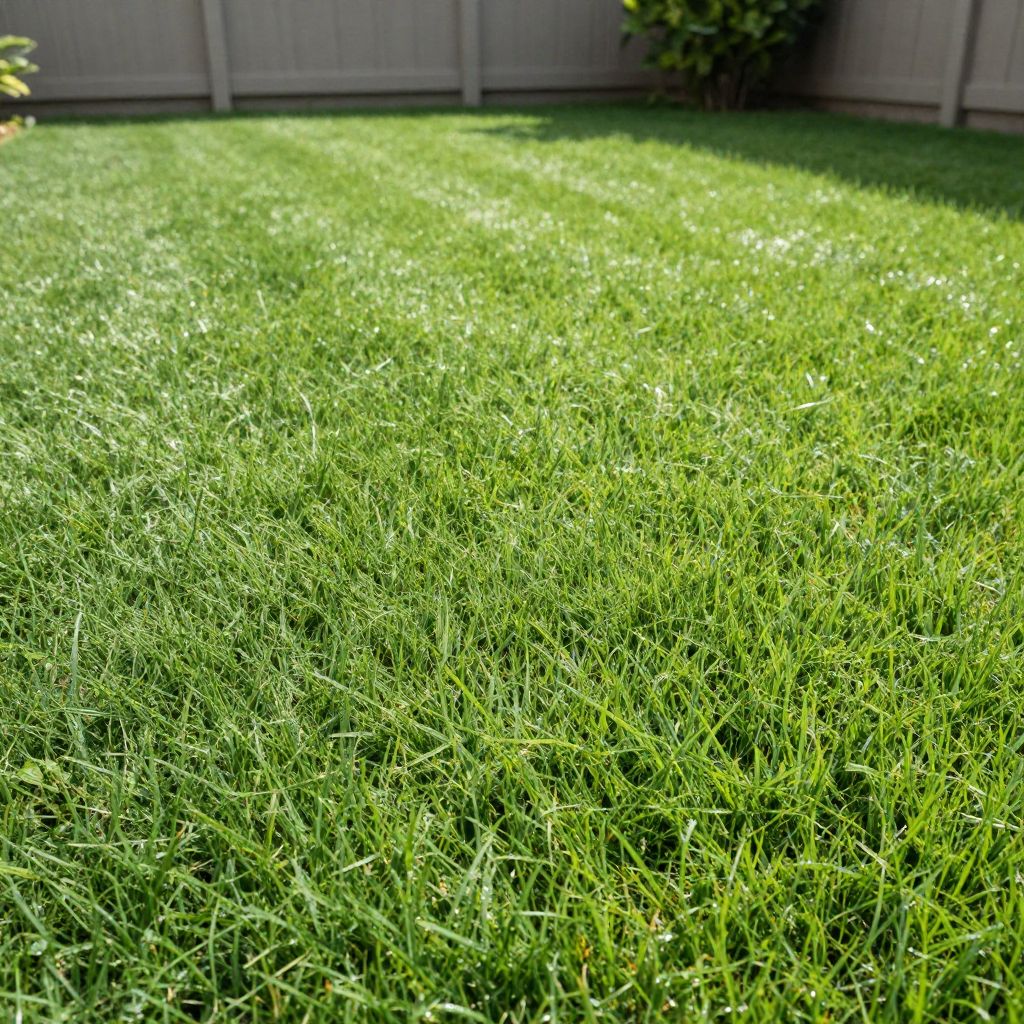
Does grass produce oxygen? Yes, grass does produce oxygen through photosynthesis, just like other green plants. As it grows, grass uses sunlight, water, and carbon dioxide to make food and releases oxygen as a byproduct.
The amount of oxygen a lawn produces depends on grass health, leaf area, sunlight, moisture, and how often it is stressed by drought, mowing, pests, or disease. A dense, actively growing lawn will photosynthesize more than thin, damaged turf.
Does grass produce oxygen?
Yes. Grass produces oxygen during photosynthesis, mainly when the blades are green and actively growing. Healthy turf can contribute to local air quality, but it is not a substitute for trees and shrubs, which have much larger leaf surfaces and woody growth over time.
How grass makes oxygen
Grass leaves capture sunlight and use it to convert carbon dioxide and water into sugars for growth. Oxygen is released from the leaf surface during this process. The more healthy leaf tissue the plant has, the more it can photosynthesize.
What affects oxygen production in grass?
- Leaf area: Taller, healthy blades usually photosynthesize more than scalped lawns.
- Sunlight: Full sun generally supports stronger growth than deep shade.
- Soil moisture: Moderate moisture supports photosynthesis; drought slows it down.
- Nutrients: Balanced fertility helps grass maintain green, active growth.
- Stress: Heat, pests, disease, and compaction reduce oxygen output.
Why a healthy lawn matters
A vigorous lawn does more than look neat. It can help cool the ground, reduce erosion, trap dust, and support a small but steady amount of oxygen production. The key word is healthy: thin, yellow, or dormant grass contributes far less than actively growing turf.
If your goal is to improve oxygen-producing growth, focus on keeping the lawn dense and resilient rather than pushing it hard with excess water or fertilizer. Overfed, overwatered grass often becomes weak and more prone to disease.
Growing conditions that help grass photosynthesize well
Sunlight
Most lawn grasses perform best in several hours of direct sun each day, though shade tolerance varies by species. If a lawn is struggling under trees or beside buildings, it may never become dense enough to produce as much oxygen as a sunny lawn.
Soil and drainage
Grass roots need oxygen in the soil as well. Compacted or waterlogged soil limits root growth, which reduces the plant’s ability to take up water and nutrients. Improve drainage with aeration, compost topdressing, and better grading if water pools after rain.
Water
Grass needs consistent moisture to stay green, but it should not sit in soggy soil. Water deeply enough to moisten the root zone, then let the surface begin to dry before watering again. The exact timing depends on your climate, soil type, and season.
Nutrients
Grass needs nitrogen, phosphorus, potassium, and micronutrients in the right balance. A soil test is the best way to know what your lawn actually needs. Too much nitrogen can create fast, weak growth that is more vulnerable to fungal disease.
How to encourage a more oxygen-productive lawn
If you want your grass to stay actively growing and producing oxygen, aim for steady, moderate care. The goal is not maximum top growth, but healthy leaf area and strong roots.
- Mow at the right height. Avoid cutting off too much leaf blade at once. As a rule, never remove more than one-third of the grass height in a single mowing.
- Keep mower blades sharp. Clean cuts reduce stress and help grass recover faster.
- Water deeply, not constantly. Frequent shallow watering encourages weak roots.
- Feed based on a soil test. Use compost or a suitable lawn fertilizer only when needed.
- Aerate compacted soil. This improves root access to air, water, and nutrients.
- Overseed thin areas. Denser turf captures more light and grows more efficiently.
Best mowing practices for healthy grass
Mowing is one of the biggest factors in lawn health. If you mow too short, you reduce the plant’s leaf surface and slow photosynthesis. If you let the grass get excessively tall, the lower blades may shade themselves and become weak.
Simple mowing rules
- Mow when the grass is dry enough to cut cleanly.
- Adjust mowing height for the grass type and season.
- Leave clippings on the lawn if they are short and not clumping.
- Do not scalp the lawn, especially during heat or drought.
In hot weather, slightly taller grass often performs better because it shades the soil and reduces moisture loss. In shady areas, avoid cutting too low, since the grass already has less light to work with.
Common problems that reduce oxygen production
Drought stress
When grass lacks water, it closes its leaf pores to conserve moisture. That also reduces carbon dioxide intake and slows oxygen production. Signs include bluish-gray color, wilting, and footprints that stay visible after walking across the lawn.
Compacted soil
Compaction squeezes air out of the root zone and makes it harder for roots to grow. If your lawn feels hard underfoot or water runs off instead of soaking in, aeration can help.
Pests and disease
Insects and fungal diseases damage leaf tissue, which reduces photosynthesis. Patchy brown areas, thinning, or unusual spotting should be identified early so you can correct the cause before the lawn declines further.
Too much shade
Grass in deep shade often becomes sparse and weak. If the site is consistently shaded, consider shade-tolerant turf species for your region or replace part of the lawn with groundcovers, mulch beds, or shade-loving plants.
Outdoor lawns versus indoor grass
Most people ask this question about outdoor lawns, but ornamental grass grown indoors or in containers also produces oxygen. The same rule applies: healthy green leaves in bright light will photosynthesize better than stressed plants in low light.
Indoor grass usually struggles because light is too weak, air is too dry, or containers drain poorly. If you are growing grass indoors for decoration or a pet area, place it in the brightest practical location and use a pot with drainage holes.
Should you fertilize more to make grass produce more oxygen?
Not necessarily. More fertilizer does not automatically mean more oxygen. Grass that is overfertilized may grow too fast, need more mowing, and become more disease-prone. A measured approach works better: test the soil, correct deficiencies, and support steady growth.
Compost can be a useful, gentle option for improving soil structure and feeding soil life. A thin topdressing is often enough for established lawns, especially when paired with aeration and proper watering.
Practical lawn care checklist
- Keep grass green and actively growing when the season allows.
- Mow high enough to protect leaf area.
- Water based on weather, soil, and grass type.
- Improve drainage in soggy spots.
- Aerate compacted areas.
- Use compost or fertilizer only as needed.
- Repair bare patches promptly with overseeding or sod.
What not to do
- Do not scalp the lawn to make it “cleaner.”
- Do not water lightly every day if deeper watering is more appropriate for your soil.
- Do not apply fertilizer without considering soil needs.
- Do not ignore shade, compaction, or drainage problems.
- Do not expect a small lawn to replace the oxygen benefits of larger plantings.
Conclusion: keep grass healthy for better oxygen production
Grass does produce oxygen, but it does so best when it is healthy, well-rooted, and actively growing. If you want your lawn to do its job well, focus on mowing correctly, watering wisely, improving soil structure, and solving shade or drainage problems early.
For more practical lawn care guidance, you may also want to read about lawn care basics and improving soil health.