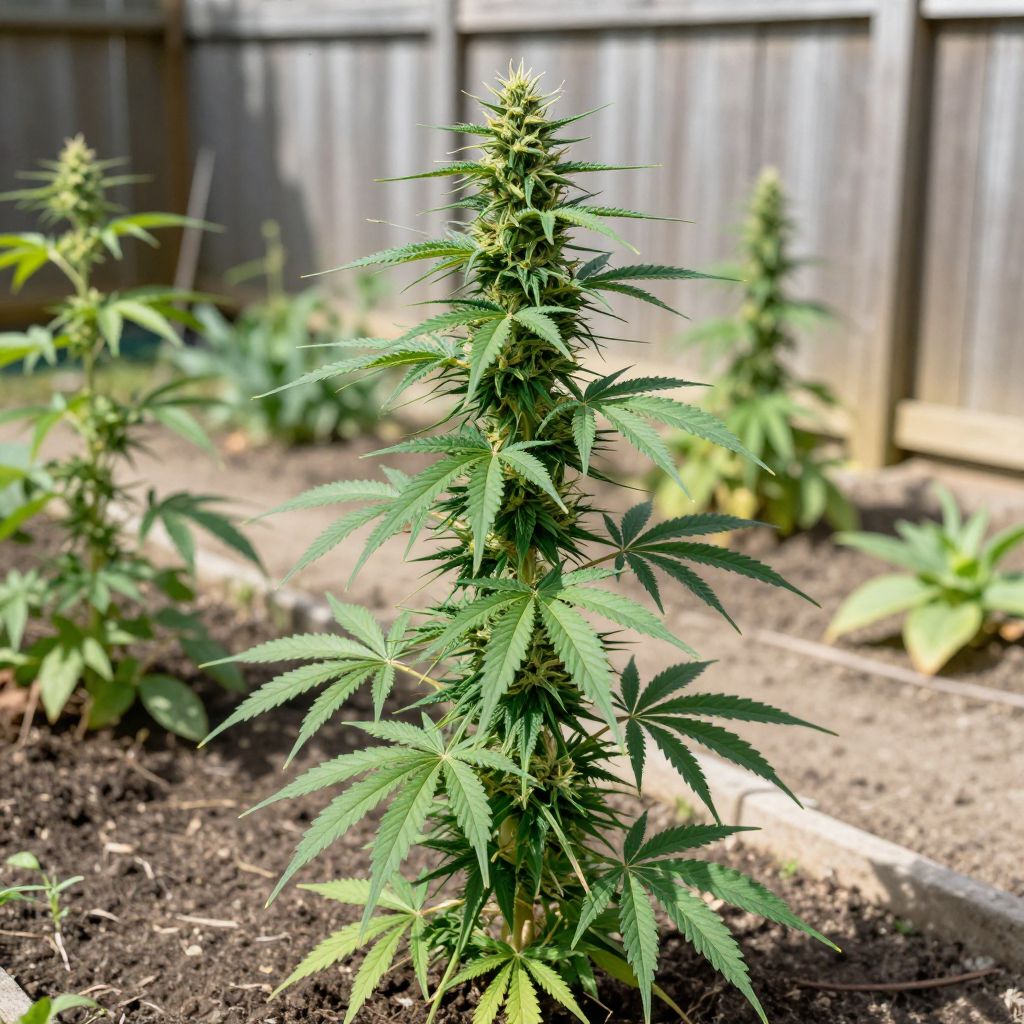
If you’re asking, “What does a sativa plant look like?” you’re usually trying to identify a cannabis plant by appearance. In gardening terms, sativa-type plants are typically taller, airier, and more open in structure than indica-type plants, with narrower leaflets and longer spacing between branches.
That said, plant appearance can vary a lot with genetics, light, temperature, and growing conditions. The most reliable identification comes from looking at the whole plant shape, leaf form, and growth pattern together rather than relying on one feature alone.
What does a sativa plant look like?
A sativa plant usually has a tall, upright growth habit, long internodes, narrow finger-like leaves, and a looser, less compact structure than indica-type plants. It often looks more “stretchy” and open, with branches that reach upward and outward rather than forming a dense bush.
Key visual traits of a sativa plant
When gardeners describe a sativa plant, they are usually talking about a cannabis plant with a lankier structure and slimmer foliage. The most useful identification clues are the leaf shape, branch spacing, and overall silhouette.
1. Taller, more vertical growth
Sativa-type plants often grow much taller than broad, compact types. They tend to stretch upward, especially in strong light or when competing for sun outdoors.
- Long main stems
- More open branching pattern
- Greater distance between leaf nodes
- Less dense canopy
2. Narrow leaves
One of the easiest clues is the leaf shape. Sativa leaves usually have long, slender leaflets that look thinner and more delicate than the wider leaflets commonly associated with indica-type plants.
Important: leaf width alone is not enough to identify a plant with certainty. Light intensity, age, and stress can change how leaves look.
3. Airier structure
Sativa plants often have a lighter, more open appearance. This is especially noticeable when compared with compact plants that form dense, heavy foliage.
That open structure can be helpful in humid climates because better airflow may reduce the risk of moisture-related problems, but it can also mean the plant needs support if stems become long and top-heavy.
4. Longer flowering form
In many gardens, sativa-type plants produce a more elongated flower structure rather than short, chunky growth. The flowers may appear spaced along the stems instead of packed tightly into one dense mass.
How to tell a sativa plant from an indica-type plant
If you are comparing two cannabis plants, think in terms of overall habit rather than a single leaf. A sativa-type plant usually looks taller and slimmer, while an indica-type plant tends to be shorter, broader, and bushier.
- Sativa-type: tall, narrow leaves, longer internodes, open branching
- Indica-type: shorter, wider leaves, tighter spacing, denser canopy
Hybrids are very common, so many plants show mixed traits. A plant may look partly sativa and partly indica, which makes visual identification approximate rather than exact.
Why appearance can be misleading
Growing conditions can change the look of a plant dramatically. A plant grown in low light may stretch and look more sativa-like, even if it is not. A plant grown in strong light with good spacing may look more compact.
Age also matters. Young seedlings and early vegetative plants often look different from mature plants, so wait until the plant has several sets of true leaves and a clear branching pattern before trying to identify it.
Growing conditions that shape a sativa plant’s look
The environment has a big effect on how any plant develops. If you are growing or caring for a sativa-type cannabis plant, the conditions below influence whether it stays compact, stretches, or develops a healthy open structure.
Light
Strong, consistent light encourages sturdy growth and better branching. Inadequate light often causes long, weak stems and wide spacing between leaves.
Outdoors, place the plant where it gets unobstructed sun for most of the day. Indoors, use a reliable grow light and keep it positioned at an appropriate distance for the plant stage and light intensity.
Airflow
Because sativa-type plants can grow tall and leafy, good airflow helps keep the canopy dry and reduces disease pressure. A gentle fan indoors or open spacing outdoors can make a big difference.
Soil and drainage
Use a loose, well-draining growing medium. Sativa-type plants do not like sitting in soggy soil, and poor drainage can lead to root stress and slow growth.
- Choose containers with drainage holes
- Use a quality potting mix or amended garden soil
- Add compost for organic matter, but avoid making the mix heavy and waterlogged
Watering
Water deeply, then let the top layer of soil dry slightly before watering again. The exact timing depends on pot size, temperature, wind, humidity, and plant size.
Common mistake: overwatering is often more harmful than slightly underwatering. A constantly wet root zone can reduce oxygen around the roots and invite disease.
How to care for a sativa-type plant in the garden
Good care starts with matching the plant to its space. Because these plants often grow tall, they need room, support, and regular observation as they develop.
Step-by-step care basics
- Choose a sunny site with enough vertical space for mature growth.
- Prepare well-drained soil with compost or other organic matter if needed.
- Water thoroughly after planting, then monitor moisture rather than watering on a fixed calendar.
- Support long stems with stakes or soft ties if the plant becomes top-heavy.
- Inspect regularly for pests, leaf discoloration, and signs of stress.
Pruning and training
Sativa-type plants can become tall and leggy if left unmanaged. Light pruning or training may help improve airflow and keep the plant within the space you have available.
- Remove dead or damaged leaves
- Thin crowded interior growth if airflow is poor
- Use gentle support to prevent stems from bending
Avoid heavy pruning all at once unless you understand how the plant responds. Sudden stress can slow growth, especially in younger plants.
Common pests and diseases to watch for
Open, airy plants are not immune to problems. Regular checks help you catch issues early before they spread through the canopy.
Common pests
- Aphids
- Spider mites
- Whiteflies
- Thrips
Look for speckled leaves, sticky residue, fine webbing, or tiny insects on the undersides of leaves. Early treatment is easier than dealing with a full infestation.
Common diseases
- Powdery mildew
- Root rot from poor drainage
- Leaf spot issues in overly wet conditions
To reduce disease risk, avoid crowding plants, keep foliage dry when possible, and remove badly affected leaves promptly. Good spacing and airflow are especially helpful in humid weather.
Propagation and starting new plants
If you are starting from seed or working with cuttings, the early stage often tells you little about the final shape. Young plants need time before their sativa-like traits become obvious.
From seed
Seedlings usually begin with simple leaves before producing the familiar narrow leaflets later. Give them steady warmth, moisture, and bright light so they do not stretch.
From cuttings
Cuttings taken from a healthy mother plant will usually reflect that plant’s growth habit. Keep humidity controlled and avoid overwatering while roots form.
Whether you start from seed or cuttings, avoid rushing identification. Wait until the plant has developed several nodes and a stronger stem structure.
When a plant looks sativa-like but isn’t
Many gardeners mistake stress responses for genetics. A plant that is reaching for light may look tall and narrow, but that does not necessarily mean it is a true sativa-type plant.
Signs of stress stretching include weak stems, pale leaves, and very long spaces between nodes. In that case, improve light and growing conditions before assuming the plant’s natural form is the issue.
Practical mistakes to avoid
- Identifying the plant from leaf shape alone
- Overwatering in heavy soil
- Letting tall stems flop without support
- Ignoring poor airflow in crowded plantings
- Confusing light stress with natural growth habit
Conclusion
If you want to know what a sativa plant looks like, focus on the whole plant: tall growth, narrow leaves, longer spacing between nodes, and a more open structure. Use those traits as clues, then confirm your identification by watching how the plant develops in your local growing conditions.
For more practical plant care guidance, you may also find related gardening reading on choosing the right potting mix and improving drainage in containers.