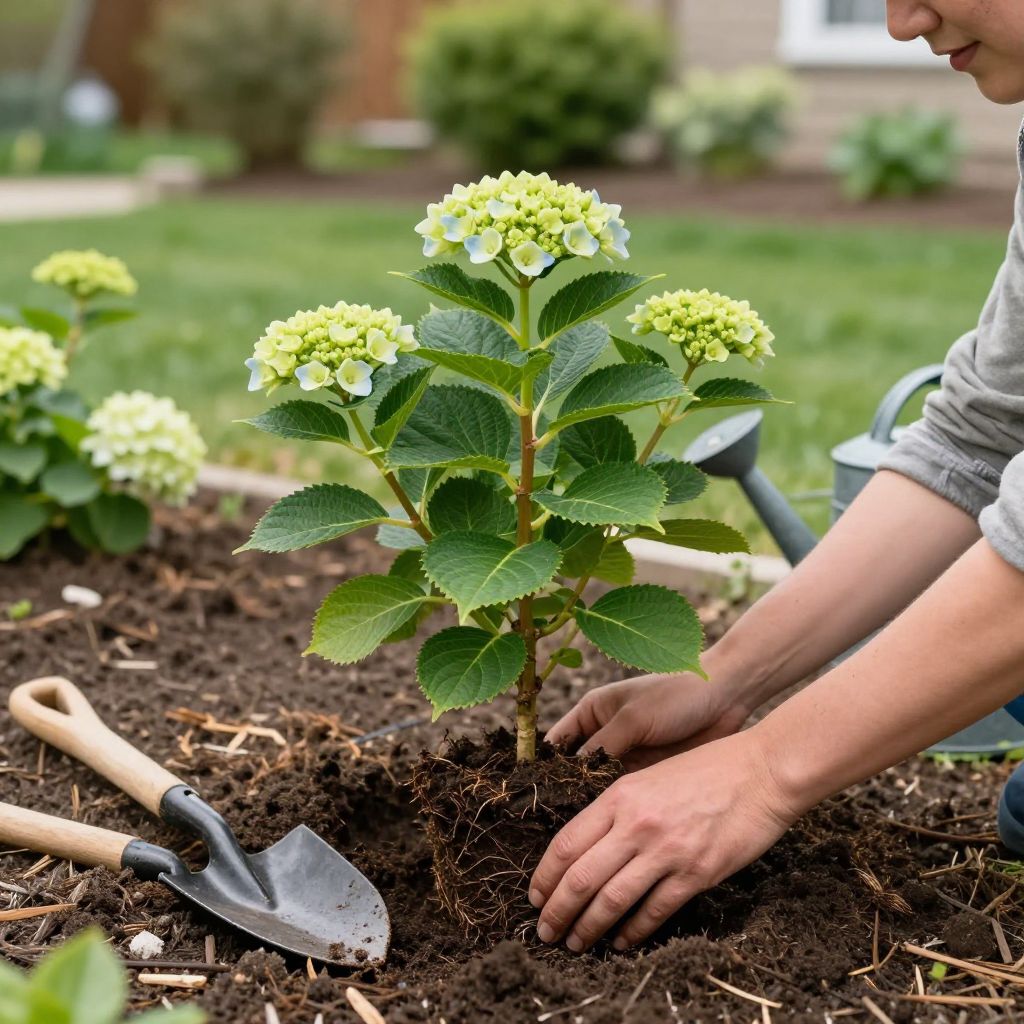
Wondering when to plant hydrangea so it settles in well and blooms strongly? The best time is usually spring or early fall, when temperatures are mild and the soil is workable. That gives the roots time to establish before summer heat or winter cold adds stress.
The exact timing depends on your climate, the type of hydrangea, and whether you’re planting a container-grown plant or a bare-root shrub. A little planning now can make the difference between a stressed plant and one that grows quickly and flowers reliably.
When to plant hydrangea?
The best time to plant hydrangea is in spring after the risk of hard frost has passed, or in early fall about 6 to 8 weeks before the ground freezes. In cooler climates, spring is safest; in mild climates, fall planting can work very well because roots keep growing in cool soil.
Why timing matters for hydrangeas
Hydrangeas need time to establish roots before they face extreme heat, dry weather, or freezing conditions. A newly planted shrub is more vulnerable than an established one, so planting at the right time reduces transplant shock and helps the plant settle in faster.
Hydrangeas also vary in how quickly they adapt. Container-grown plants usually establish faster than bare-root plants, but both benefit from mild weather and consistent moisture during the first season.
Best planting windows by season
- Spring: Best for most gardeners, especially in cold or variable climates.
- Early fall: Good in regions with long, mild autumns and moderate winters.
- Summer: Possible only with extra care, but not ideal because heat and drying winds increase stress.
- Winter: Usually not recommended unless your climate is very mild and the ground is workable.
How to choose the right planting time for your climate
There is no single date that works everywhere. Instead, use your local frost dates, soil temperature, and seasonal weather patterns to decide when to plant hydrangea.
In colder regions
Plant in spring once the soil has thawed and the danger of hard frost has passed. Spring planting gives the shrub a full growing season to develop roots before winter.
In mild or coastal regions
Early fall planting can be excellent because the soil is still warm, rain is often more reliable, and the plant can root without the stress of summer heat. Just avoid planting too late in the season.
In hot-summer climates
Choose spring or very early fall, and avoid planting during the hottest part of the year. If you must plant in warm weather, provide afternoon shade and be extra careful about watering.
How to plant hydrangea successfully
Hydrangeas do best in rich, moisture-retentive soil that drains well. They like consistent moisture, but they do not want to sit in soggy ground.
- Choose a site with morning sun and afternoon shade, or bright filtered light.
- Dig a hole about twice as wide as the root ball and no deeper than the pot or root mass.
- Loosen circling roots gently if the plant is pot-bound.
- Set the plant so the top of the root ball is level with the surrounding soil.
- Backfill with the original soil, breaking up large clods as you go.
- Water deeply to settle the soil around the roots.
- Apply 2 to 3 inches of mulch, keeping it a few inches away from the stems.
Do not plant hydrangeas too deeply. Burying the crown can lead to poor growth, rot, and slow establishment.
Soil preparation
Hydrangeas prefer soil enriched with compost or well-rotted organic matter. If your soil is heavy clay, improve drainage by mixing in compost and planting slightly higher than grade. If your soil is sandy, compost helps it hold moisture longer.
Test drainage before planting if you are unsure. Dig a hole, fill it with water, and see how quickly it drains. If water remains for hours, choose a raised bed, berm, or another location with better drainage.
Sunlight, water, and spacing after planting
Most hydrangeas grow best with morning sun and afternoon shade, especially in warmer climates. In cooler regions, they can take more sun if the soil stays evenly moist.
Watering after planting
New hydrangeas need regular deep watering during their first growing season. The goal is moist, not saturated, soil. Check the soil with your finger; if the top few inches feel dry, water thoroughly.
- Water slowly at the base of the plant.
- Use mulch to reduce evaporation.
- Increase watering during hot, windy, or dry spells.
- Reduce watering when cool weather and rain keep the soil moist.
Spacing
Give hydrangeas enough room to reach their mature size. Crowding reduces air circulation, which can increase disease problems and make pruning harder later. Check the expected spread of your specific hydrangea type before planting.
Should you plant hydrangea in a pot or in the ground?
Container planting works well if you have poor soil, limited space, or want to grow a hydrangea on a patio or deck. Use a large pot with drainage holes and a quality potting mix that holds moisture but still drains freely.
In-ground planting is usually better for long-term growth because roots have more room and soil moisture is more stable. If you live where summers are very hot, a container may dry out too quickly unless you can water consistently.
Common mistakes to avoid
- Planting during peak heat: This increases transplant stress and wilting.
- Choosing a site with harsh afternoon sun: Leaves can scorch, especially in warm climates.
- Using poor-draining soil: Roots may decline in constantly wet ground.
- Letting the root ball dry out before planting: Dry roots struggle to re-establish.
- Overfertilizing at planting time: Too much fertilizer can push weak growth instead of root development.
Pruning after planting
Newly planted hydrangeas usually need very little pruning. Focus first on root establishment. Remove only dead, damaged, or broken stems unless you know the specific hydrangea type and its flowering habit.
This matters because some hydrangeas bloom on old wood and others on new wood. If you prune at the wrong time, you may remove flower buds and reduce blooms for the season.
General pruning guidance
- Deadhead spent flowers only if needed for appearance.
- Wait to do major pruning until you know the plant’s bloom type.
- Prune lightly after flowering for types that bloom on old wood.
- Prune in late winter or early spring for types that bloom on new wood.
Pests and diseases to watch for
Healthy hydrangeas are fairly resilient, but stressed plants are more likely to attract pests or develop disease. Good timing, proper spacing, and steady moisture are your best defenses.
Common issues
- Powdery mildew: Often appears in humid conditions or where air circulation is poor.
- Leaf spots: Can develop during wet weather or when leaves stay damp too long.
- Aphids: May cluster on soft new growth.
- Slugs and snails: Can chew leaves, especially in damp gardens.
To reduce problems, water at soil level, avoid overcrowding, and remove fallen leaves that may harbor disease. If a plant declines after planting, check first for drainage issues and irregular watering before assuming it needs more fertilizer.
Can you propagate hydrangeas from an existing plant?
Yes, many hydrangeas can be propagated from softwood or semi-hardwood cuttings, depending on the type and season. This is useful if you want more plants from a shrub that is already thriving in your garden.
Take cuttings from healthy, non-flowering stems and keep them in a humid, lightly shaded place while roots form. Propagation works best when the parent plant is vigorous and actively growing.
What to expect in the first year
It is normal for a newly planted hydrangea to focus on roots rather than flowers during its first season. Some plants bloom well right away, while others need time to settle in before they perform at their best.
Watch for steady new growth, firm stems, and leaves that stay hydrated through warm weather. Those are good signs that the plant is adapting well.
Quick checklist before you plant
- Choose spring or early fall based on your climate.
- Pick a site with morning sun and afternoon shade, or bright filtered light.
- Make sure the soil drains well but stays evenly moist.
- Dig a wide hole and keep the crown at soil level.
- Mulch after planting and water deeply.
- Avoid heavy pruning until you know the bloom type.
Conclusion
If you’re deciding when to plant hydrangea, aim for mild weather: spring in colder areas and early fall in warmer ones. Give the plant rich soil, good drainage, consistent moisture, and the right amount of light, and it will have a much better chance to establish quickly and bloom well.
For more practical help with shrub care and seasonal planting, you may also want to read related gardening guides on soil preparation, pruning, and shade-loving plants.