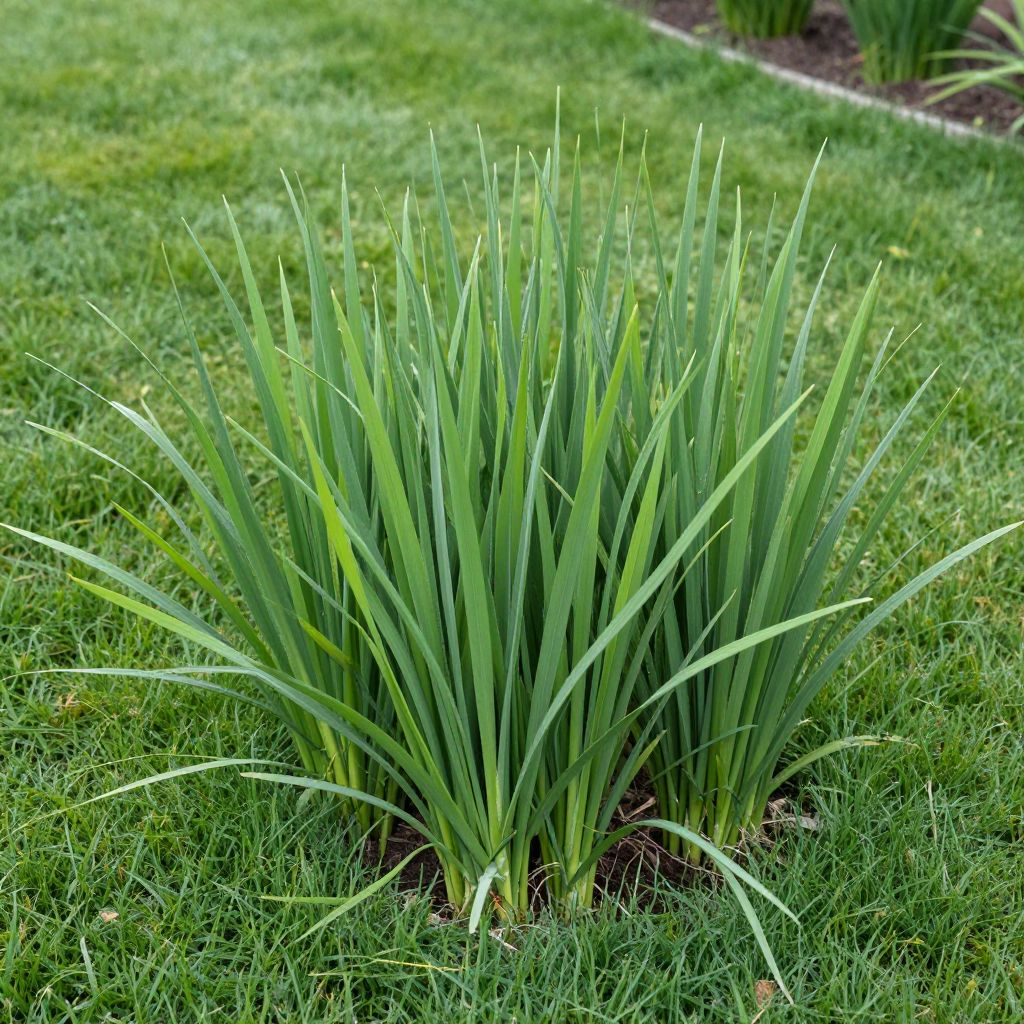
If you’re asking, “What does rye grass look like?” you’re probably trying to tell it apart from other lawn grasses or a fast-growing weed in your garden. Rye grass is usually bright green, narrow-bladed, and grows in upright bunches rather than spreading by runners.
It’s one of the easiest grasses to recognize once you know what to look for, but its appearance changes a little depending on whether you’re seeing annual ryegrass, perennial ryegrass, or a young seedling. Here’s how to identify it and grow it well.
What does rye grass look like?
Rye grass typically has narrow, flat leaves with a shiny green upper surface and a slightly paler underside. It grows in clumps or tufts, not creeping mats, and many types show a folded leaf blade and a distinctive seed head with small spikelets arranged along a central stem.
Key identifying features of rye grass
Leaf shape and color
Rye grass leaves are usually thin and flat, often about 2 to 5 mm wide, though this varies by species and growing conditions. The blades are a rich green, sometimes glossy, and the leaf tips can look pointed rather than rounded.
When the plant is young, the leaves may appear softer and more upright. As it matures, the blades can arch slightly, especially if the grass is growing in shade or under regular mowing.
Growth habit
One of the most useful clues is the way rye grass grows. It forms dense bunches or clumps instead of sending out creeping stolons or rhizomes. That makes it look more tufted than grasses like bermudagrass or Kentucky bluegrass.
If you pull gently at a rye grass plant, you’ll usually see several stems emerging from the base together. It can look tidy in a lawn, but in a flower bed or vegetable patch it may stand out as a grassy clump.
Stems and seed heads
When rye grass flowers, the seed head is often the easiest feature to spot. The seed spikes are narrow and upright, with small spikelets attached along a central stem in a row. This gives it a slim, structured look compared with the fluffier heads of some other grasses.
Annual ryegrass and perennial ryegrass both produce seed heads, but timing depends on climate, mowing, and stress. In cool weather, seed heads may appear in spring or early summer.
Roots
Rye grass has a fibrous root system rather than a single deep taproot. The roots are fine and branching, which helps the plant establish quickly in prepared soil. This is one reason it is widely used for quick cover, erosion control, and overseeding lawns.
Annual ryegrass vs. perennial ryegrass
People often say “rye grass” when they mean either annual ryegrass (Lolium multiflorum) or perennial ryegrass (Lolium perenne). They look similar, but there are a few practical differences.
- Annual ryegrass is usually coarser, faster to establish, and often used for temporary cover or erosion control.
- Perennial ryegrass tends to have a finer texture and is commonly used in lawns, sports turf, and overseeding mixes.
- Both have narrow leaves and upright clumping growth, especially when young.
If you are identifying a grass in your yard, don’t rely on one feature alone. Look at the leaf width, growth habit, and whether it appears as a temporary stand or part of a managed lawn mix.
How to tell rye grass apart from similar grasses
Rye grass vs. fescue
Fescues often have finer, more wiry leaves or a more open tufted look depending on the type. Rye grass usually appears smoother, brighter green, and more upright. If the blades feel broader and shinier, rye grass is a strong possibility.
Rye grass vs. crabgrass
Crabgrass spreads low and outward from a central point, often with stems that creep along the soil surface. Rye grass grows more upright and bunchy. If the plant is forming a flat, sprawling patch, it is less likely to be rye grass.
Rye grass vs. wheat or barley seedlings
Young cereal grains can look similar early on, but rye grass usually stays narrower and more grass-like in a lawn or pasture setting. Seedlings of wheat and barley often appear in more obvious rows or seedbed patterns.
Where rye grass grows best
Rye grass prefers cool, moist growing conditions and performs best in full sun to light shade. It can tolerate a range of soils, but it establishes most quickly in soil that is evenly moist, fertile, and well drained.
In hot climates, rye grass may struggle through summer unless it is irrigated and managed carefully. In cooler regions, it can stay green for a longer season and may be used as a lawn grass or temporary cover crop.
Soil and drainage
Rye grass grows best in soil that drains well but still holds enough moisture for steady growth. Heavy clay can work if it is improved with organic matter and not kept waterlogged. Very sandy soil may need compost to help retain moisture.
If you are planting it in a lawn or bed, loosen compacted soil first. Good seed-to-soil contact matters more than deep planting.
How to grow rye grass successfully
1. Prepare the site
- Remove weeds, stones, and debris.
- Rake the soil surface so it is level and crumbly.
- Work in compost if the soil is poor or compacted.
- Make sure water can drain away after rain or irrigation.
For overseeding a lawn, mow the existing grass lower than usual and rake lightly so the seed can reach the soil. Avoid burying seed too deeply.
2. Sow seed evenly
Rye grass seed is usually sown by broadcasting or with a spreader, depending on the area. Keep the coverage even so the stand grows uniformly and does not develop thin patches.
After sowing, lightly rake or press the seed into the soil. A thin topdressing of compost or fine soil can help in bare areas, but don’t cover the seed too heavily.
3. Water carefully during establishment
Keep the top layer of soil consistently moist until germination and early root growth are underway. The goal is even moisture, not saturation. If the surface dries out repeatedly, seedlings can fail or become patchy.
Once established, rye grass is more resilient, but it still performs best with regular watering during dry spells, especially in warm weather or shallow soils.
4. Mow at the right height
Mow rye grass when it reaches a manageable height for your lawn type, but avoid cutting too short. Scalping weakens the plant and can encourage weeds. A sharper mower blade gives a cleaner cut and helps prevent frayed leaf tips.
If you are growing rye grass as a temporary cover or in a mixed lawn, adjust mowing height to match the rest of the turf rather than treating it as a separate patch.
Common problems and what they look like
Yellowing or pale growth
Pale rye grass can indicate poor nutrition, compacted soil, too much shade, or inconsistent watering. It may also happen when the grass is stressed by heat. Check the site before reaching for fertilizer.
If the soil is compacted, aeration and compost can help more than a quick feed. If the area is shaded, thinning trees or choosing a more shade-tolerant grass mix may be a better long-term fix.
Patchy germination
Uneven seed coverage, dry soil, birds, or poor seed-to-soil contact can all cause patchy growth. Rye grass seed should not be left sitting on dry, loose soil if you want reliable establishment.
Lightly firm the seedbed after sowing and keep moisture steady. In windy or bird-heavy areas, a light mulch or protective netting may help.
Fungal issues
Rye grass can develop fungal problems if it stays wet for long periods, especially in poorly drained sites or in dense, overwatered lawns. Look for thinning areas, discolored patches, or a slimy appearance after prolonged moisture.
Improve airflow, avoid watering late in the day when possible, and reduce excess thatch. Good drainage is one of the best preventive measures.
Weed invasion
Because rye grass establishes quickly, it can outcompete some weeds, but thin or stressed areas still invite invasion. Broadleaf weeds and grassy weeds are easier to manage when the turf is dense and healthy.
Fill bare spots promptly, mow properly, and avoid leaving soil exposed for long periods.
When rye grass is useful in the garden
Rye grass is practical in several garden settings. It can be used for quick lawn repair, temporary cover, erosion control, or overseeding to add green color in cool seasons. It is also helpful where you need fast germination and early ground cover.
- Lawn overseeding: helps thicken thin turf.
- Erosion control: roots help hold soil on slopes and disturbed ground.
- Temporary cover crop: protects bare soil while other plants are being established.
- Cool-season color: provides quick green cover in the right climate.
Just remember that rye grass is not always a permanent solution. In hot or dry regions, it may decline when temperatures rise, so plan for how you will manage the area later.
Practical mistakes to avoid
- Don’t confuse rye grass with a creeping lawn weed just because it grows quickly.
- Don’t bury seed too deeply; rye grass needs good surface contact.
- Don’t overwater to the point of soggy soil.
- Don’t mow too short, especially during establishment.
- Don’t assume all rye grass behaves the same in every climate.
Simple identification checklist
If you are still unsure whether a grass is rye grass, use this quick check:
- Leaves are narrow, flat, and bright green.
- The plant grows in upright clumps, not creeping runners.
- Seed heads are slim and spike-like when present.
- The grass looks dense and tufted rather than sprawling.
- It performs best in cool weather and moist soil.
Conclusion
Now that you know what rye grass looks like, you can spot it more confidently in lawns, beds, and seed mixes. Look for narrow shiny leaves, clumping growth, and slim seed heads, then match those traits with the site conditions to confirm your identification.
If you want to go further, compare your grass with nearby lawn types and check whether the plant is annual or perennial ryegrass before you decide how to manage it.