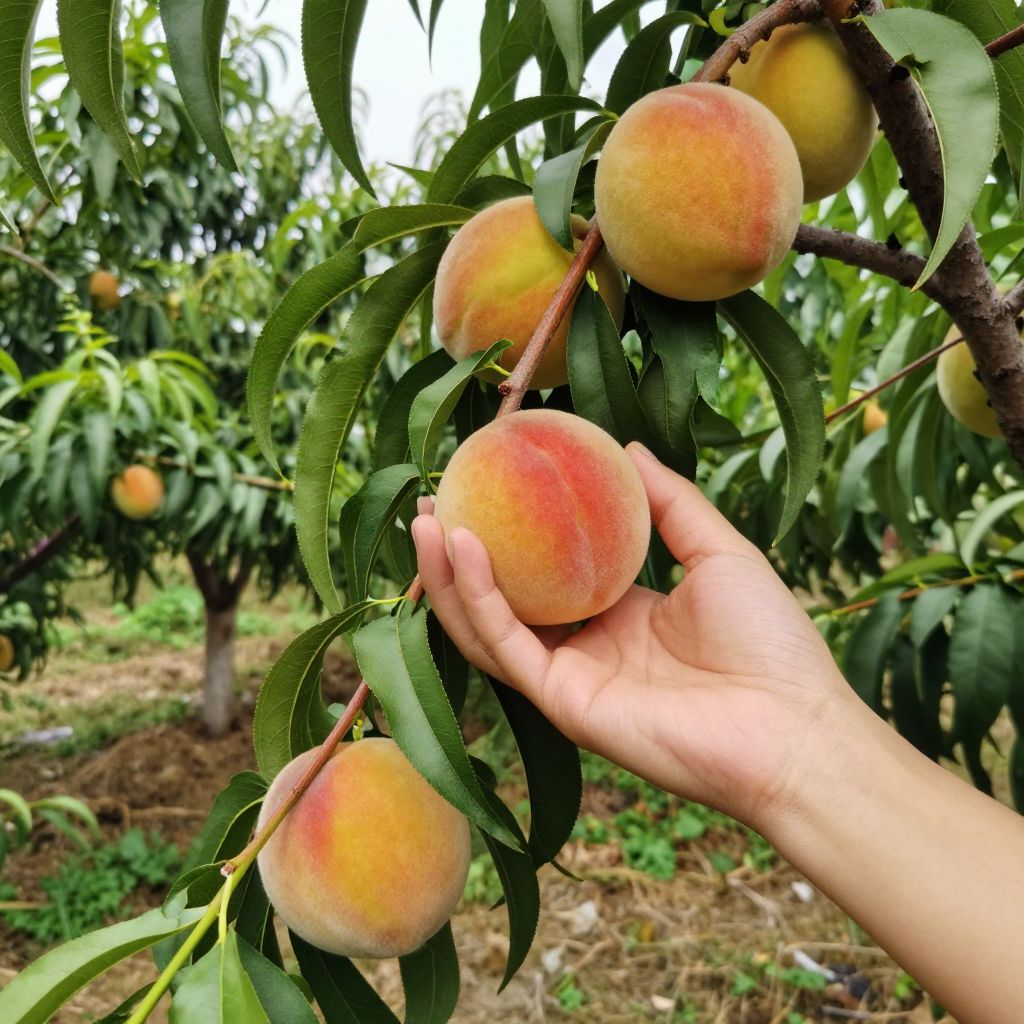
Wondering when are peaches ready to pick? The short answer is that peaches are ready when they come off the tree with a gentle lift, feel slightly soft near the stem end, and have developed their full color and aroma. They should taste sweet and juicy, not starchy or flat.
Timing varies by variety, weather, and how much sun the fruit received. Instead of relying only on the calendar, use a few simple ripeness checks so you harvest peaches at their best flavor and texture.
When Are Peaches Ready To Pick?
Peaches are ready to pick when they are fully colored for the variety, fragrant, and slightly soft when gently squeezed near the stem end. A ripe peach usually detaches with a light upward twist. If you have to tug hard, it is probably still immature and will improve only a little after harvest.
How to Tell a Peach Is Ripe
Peaches do not always ripen evenly on the tree, so use several signs together rather than one alone. Color, aroma, firmness, and ease of detachment all matter.
1. Check the background color
Look for the ground color, which is the base color of the fruit where it is not blushed red. Depending on the variety, this may shift from green to creamy yellow, gold, or pale orange as the peach ripens.
Do not judge ripeness by the red blush alone. Some peaches turn red before they are fully ripe, while others stay mostly yellow or cream-colored even when ready.
2. Feel for slight softness
Gently cup the peach in your hand and press near the stem end. A ripe peach should give just a little, but it should not feel mushy.
- Too firm: likely needs more time on the tree.
- Lightly yielding: usually ready or very close.
- Soft or collapsing: overripe or starting to spoil.
3. Smell the fruit
Ripe peaches often have a noticeable sweet fragrance, especially near the stem. If the fruit looks colorful but has little or no scent, it may still need time.
4. Use the twist test
Hold the peach in your palm and lift it upward with a gentle twist. A ripe peach should separate from the branch with little resistance. If it hangs on firmly, leave it for a few more days and test again.
5. Taste one if you are unsure
If the fruit is close, pick a sample peach. A ripe peach should taste sweet, juicy, and flavorful. If it is bland or astringent, the rest of the crop may need more time.
Why Peach Ripeness Is Hard to Judge
Peaches can be tricky because they often look ripe before they truly are. Some varieties color up early, and fruit on the sunny side of the tree may appear ready while shaded fruit lags behind.
Weather also affects ripening. Warm, sunny conditions speed it up, while cool nights, cloudy periods, or a heavily shaded canopy can delay full flavor development.
Tree-ripened peaches taste best
Unlike some fruits, peaches usually do not improve much after harvest. They may soften a little indoors, but sweetness and aroma are best when the fruit has ripened on the tree.
That is why picking too early is a common mistake. An under-ripe peach may soften on the counter, but it often stays tart or mealy.
Harvesting Peaches the Right Way
Use clean hands and harvest gently to avoid bruising. Peaches bruise easily, and even small pressure marks can shorten storage life.
- Check the fruit for color, fragrance, and slight softness.
- Cradle the peach in your hand.
- Lift upward and twist gently.
- Place it in a shallow basket or tray, not a deep bucket.
- Keep harvested fruit out of direct sun.
If the peach does not release easily, leave it on the tree. Forcing it off can damage the spur or branch and may reduce future fruiting.
Pick in stages
Peaches on the same tree may ripen over several days or even a couple of weeks. Harvest the ripest fruit first and return every few days to collect the rest.
What Happens If You Pick Peaches Too Early?
Early-picked peaches often stay hard, dry, or bland. They may never develop the full sugars and perfume you expect from a ripe peach.
If you must harvest slightly early because of weather, wildlife, or cracking, let the fruit finish at room temperature for a short time. Keep expectations realistic: peaches that were picked too soon will soften somewhat, but they usually will not become truly tree-ripened in flavor.
Can peaches ripen after picking?
Yes, but only to a limited degree. They can soften and become a little more aromatic, especially if they were nearly ripe already. They do not continue to sweeten much after harvest, so the best strategy is to pick as close to ripe as possible.
What Happens If You Pick Peaches Too Late?
Overripe peaches become very soft, prone to bruising, and more vulnerable to insects, birds, and rot. Fruit left too long on the tree may attract wasps or fall and split on the ground.
Late-picked peaches are still usable if they are sound, but they will not store well. Use them quickly and inspect each fruit carefully for soft spots, mold, or insect damage.
Growing Conditions That Affect Peach Ripening
Good growing conditions help peaches ripen more evenly and improve flavor. Sunlight, airflow, soil drainage, and balanced tree size all matter.
Sunlight
Peach trees need full sun for the best fruit quality. A tree in partial shade may produce fruit that colors unevenly and tastes less sweet.
Soil and drainage
Peaches prefer well-drained soil. Waterlogged roots can weaken the tree, reduce fruit quality, and increase disease problems. If your soil stays wet, improve drainage before planting or consider a raised bed or mound.
Pruning and canopy management
A crowded canopy shades fruit and slows ripening. Regular pruning opens the tree to light and air, helping peaches color and mature more evenly.
- Remove dead, damaged, or crossing branches.
- Thin dense interior growth to improve light penetration.
- Keep the tree at a manageable height so you can harvest safely.
Seasonal Timing and Local Climate
Peach harvest time depends on your region and the cultivar. In warm climates, peaches may ripen earlier in the season; in cooler areas, harvest can come later.
Instead of relying on a fixed month, watch the fruit on your own tree. The same variety can ripen at different times depending on spring weather, summer heat, pruning, and crop load.
Crop load matters
If a tree carries too many peaches, fruit may stay smaller and ripen unevenly. Thinning helps the remaining peaches size up and mature with better flavor.
When fruit is about marble to walnut size, remove extras so the remaining peaches have room to develop. Space them so they are not crowding each other on the branch.
Common Problems That Make Ripeness Hard to Judge
Birds and insects
Birds often peck ripe peaches before you do, and insects can damage fruit that is nearly ready. Use netting where practical and monitor fruit closely as harvest approaches.
Brown rot and other diseases
Brown rot can spread quickly in warm, humid weather, especially on ripe fruit. Remove any mummified fruit, pick damaged peaches promptly, and keep the tree open to airflow.
Splitting or cracking
Sudden rain after a dry spell can cause peaches to split. If cracking starts, harvest the sound fruit as soon as it is ripe and remove damaged fruit to reduce disease pressure.
Sunscald
Fruit exposed to intense sun may develop pale, leathery patches. A healthy canopy helps protect peaches while still allowing enough light for ripening.
How to Store Peaches After Picking
Handle peaches gently and store them in a single layer if possible. Bruised fruit should be used first.
- Ripe peaches: keep at room temperature for very short-term use, or refrigerate if you need to slow them down.
- Slightly firm peaches: leave at room temperature until they soften a bit.
- Do not stack heavily: pressure causes bruising and faster spoilage.
Bring refrigerated peaches back to room temperature before eating if you want the best aroma and flavor.
Quick Ripeness Checklist
If you want a simple field test, use this checklist before you pick:
- The fruit has its full background color for the variety.
- It smells sweet near the stem.
- It gives slightly when gently pressed.
- It twists off the branch with minimal effort.
- The flavor of a sample peach is sweet and juicy.
If several of these signs are missing, wait a few more days and test again.
Conclusion
To know when are peaches ready to pick, trust the fruit more than the calendar. Look for full color, fragrance, slight softness, and an easy release from the branch. Pick in stages, handle fruit gently, and harvest only when flavor has fully developed.
For more help with fruit tree care, you may also want to read about peach tree pruning and how to thin fruit on fruit trees.