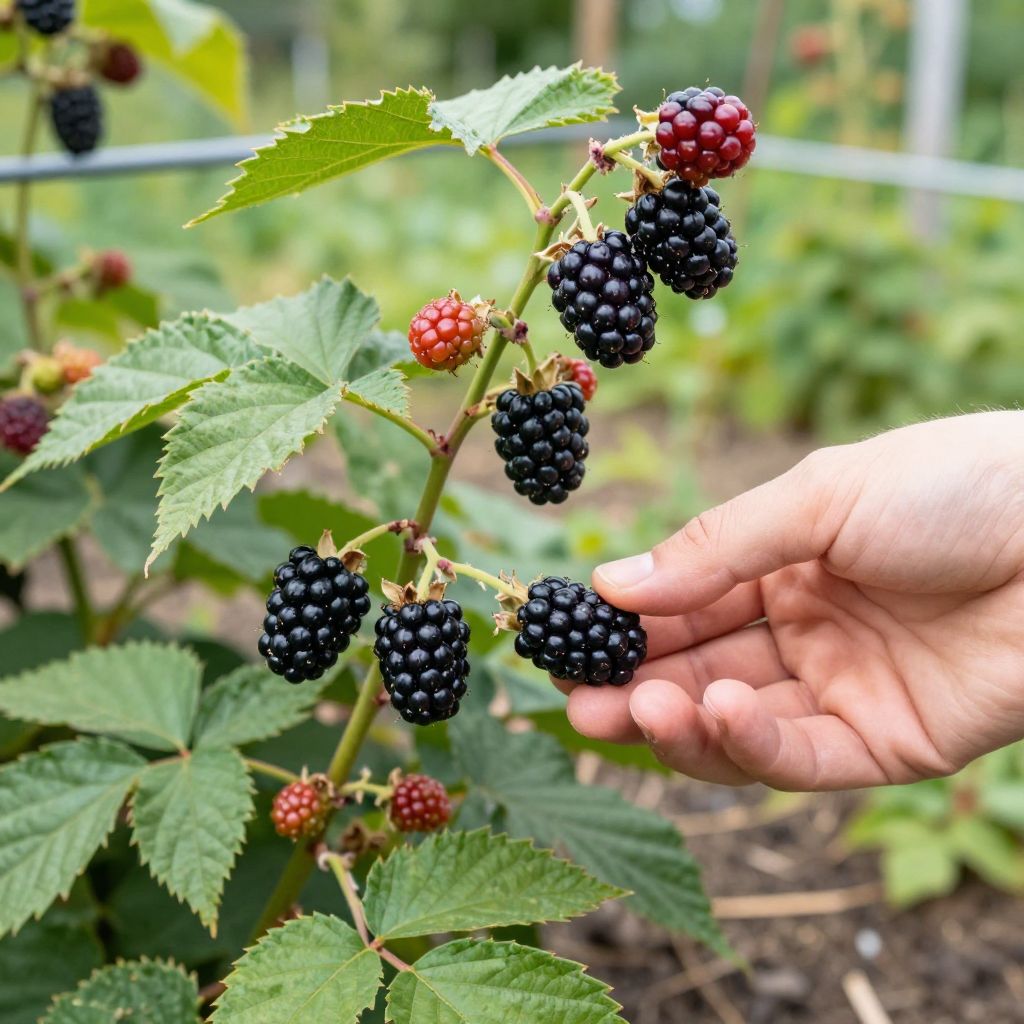
When is blackberry season? For most gardeners, blackberries ripen from late spring through late summer, with the exact window depending on your climate, variety, and whether you grow early-, mid-, or late-season types. In many areas, the harvest peaks in mid to late summer, but warm regions can see fruit earlier and cooler regions later.
If you want the sweetest berries and the best crop, timing matters just as much as pruning and care. Knowing when blackberries flower, set fruit, and ripen helps you harvest at the right stage and manage the plants so they produce well year after year.
When is blackberry season?
Blackberry season usually runs from late spring through late summer, with peak harvest often in June to August in many temperate gardens. In warmer climates, berries may start earlier; in cooler or higher-elevation areas, the season can shift later into summer or early fall. The exact timing depends on cultivar, local weather, and plant maturity.
What affects blackberry ripening time?
Blackberries do not all ripen at the same time. Several factors influence when you can pick them, and understanding these helps you plan harvests more accurately.
Climate and region
Temperature is one of the biggest factors. Warm spring weather can push flowering and fruiting earlier, while a cool spring or late frost can delay the crop.
Type of blackberry
There are different growth habits, including erect, semi-erect, and trailing types. Some cultivars are bred to fruit earlier, while others naturally ripen later in the season.
Plant age and vigor
Young plants often produce a smaller crop, and newly planted blackberries may need a season or two to settle in before they fruit heavily. Healthy canes with good sunlight and moisture ripen more reliably.
Sun exposure
Blackberries grown in full sun usually ripen more evenly and often earlier than those in partial shade. Less light can mean slower ripening and weaker flavor.
How to tell when blackberries are ready to harvest
Blackberries are ready when they are fully black, plump, and glossy with no red or hard sections left on the drupelets. They should detach with a gentle tug. If you have to pull hard, the berry is probably still underripe, and flavor will be tart or flat.
- Color: fully black, not red or purple-black
- Texture: soft but not mushy
- Flavor: sweet with balanced acidity
- Ease of picking: comes off the plant easily
Pick every two to three days during peak season. Blackberries do not ripen much after harvest, so it is better to wait for full maturity on the cane than to pick early.
Growing blackberries for a reliable season
If you are growing blackberries at home, the harvest window starts with good site selection and steady plant care. Strong plants produce more fruit and ripen more evenly, while stressed plants tend to give a smaller, less predictable crop.
Best growing conditions
- Sun: at least 6 to 8 hours of direct sun daily
- Soil: fertile, well-drained soil with plenty of organic matter
- Drainage: avoid waterlogged ground, which can weaken roots
- Airflow: good spacing helps reduce mildew and fruit rot
Blackberries generally grow best in soil that holds moisture without staying soggy. If your soil is heavy clay, improve drainage with compost and consider raised beds or mounded rows.
Planting and spacing basics
Space plants so air can move through the canes and you can reach them for pruning and picking. Exact spacing varies by type, but crowded plantings often lead to disease and smaller berries.
- Choose a sunny site with room for canes to spread.
- Work compost into the planting area before planting.
- Set plants at the same depth they were growing in the nursery container or bare-root bundle.
- Water deeply after planting.
- Mulch to conserve moisture and suppress weeds.
Watering and mulch
Consistent moisture is especially important from flowering through fruit swell. Dry spells can reduce berry size and lead to poor ripening, while overwatering can stress roots and encourage disease.
A 2- to 4-inch mulch layer of shredded bark, straw, or leaf mold helps stabilize soil moisture and keeps weeds down. Keep mulch a few inches away from the crown and canes.
Pruning for better blackberry season timing
Pruning is one of the most important tasks for blackberry production. It affects how many fruiting canes you get, how much sunlight reaches the plant, and how evenly berries ripen.
Why pruning matters
Blackberries fruit on canes that are in the right stage of growth, so old canes and crowded new growth can reduce next season’s harvest. Pruning also improves airflow, which helps berries dry faster after rain.
Simple pruning approach
- Remove dead, damaged, or diseased canes.
- Thin out crowded canes so the plant is open and manageable.
- After fruiting, cut out canes that have already produced berries, since they will not fruit again.
- Train new canes neatly to support the plant and improve light exposure.
If you are unsure whether your blackberry type fruits on first-year or second-year canes, check the plant label or nursery information. Pruning the wrong canes can reduce next year’s crop.
Common problems that delay blackberry season
When blackberries fail to ripen on time, the cause is often environmental or cultural rather than a serious mystery. A few common issues can slow the season or reduce berry quality.
Too much shade
Plants in shade may produce fewer flowers and slower-ripening fruit. Move or thin nearby plants if possible, or choose a sunnier planting site for future canes.
Water stress
Drought during flowering and fruiting can cause small, dry berries. On the other hand, soggy soil can weaken roots and increase disease pressure. Aim for even moisture, not extremes.
Poor pollination or weather damage
Cold, wet, or windy weather during bloom can reduce fruit set. If flowers are damaged, the harvest may be lighter or uneven.
Pests and diseases
Birds, aphids, cane borers, spider mites, and fungal diseases can all affect the crop. Watch for distorted leaves, holes in fruit, mold, or canes that die back unexpectedly.
- Bird pressure: use netting before fruit begins to color
- Moldy berries: pick promptly and improve airflow
- Weak canes: remove damaged growth and avoid overcrowding
How to extend blackberry season in your garden
If you want a longer harvest, plant more than one cultivar with different ripening times. This is one of the easiest ways to stretch blackberry season from early summer into late summer or beyond, depending on your climate.
Choose staggered ripening types
Early-, mid-, and late-season varieties can ripen in sequence. This gives you a longer picking window and spreads out the workload of harvesting and preserving fruit.
Protect fruit from weather and wildlife
Heat waves, heavy rain, and birds can shorten the usable harvest window. Netting, timely picking, and good canopy management help you make the most of each flush of berries.
Harvest often
Frequent picking encourages you to catch fruit at peak flavor and reduces overripe berries that attract pests or mold. During peak season, check plants every couple of days.
Harvesting and handling tips
Handle ripe blackberries gently. They bruise easily, especially in warm weather, so shallow containers are better than deep buckets.
- Pick in the cool part of the day if possible.
- Place berries in a shallow container to avoid crushing.
- Remove damaged or moldy fruit right away.
- Refrigerate soon after picking if you are not eating them immediately.
Do not wash berries until just before use, because excess moisture shortens storage life. If you are freezing them, sort carefully and remove debris first.
Blackberry season calendar at a glance
Use this as a general guide, then adjust for your local climate and variety.
- Spring: new cane growth, flowering begins in many regions
- Early summer: first ripe berries in warmer areas or early cultivars
- Midsummer: peak harvest in many home gardens
- Late summer: later varieties continue producing
- Early fall: final harvest in cooler climates or late-fruiting types
Conclusion
When is blackberry season? In most gardens, it is a summer harvest that starts in late spring or early summer and peaks from June through August, but your local weather and variety will shape the exact timing. For the best crop, give plants full sun, steady moisture, good airflow, and regular pruning, then harvest berries as soon as they turn fully black and release easily.
If you want to keep improving your berry patch, it also helps to read more about how to prune blackberries and growing berries in containers.