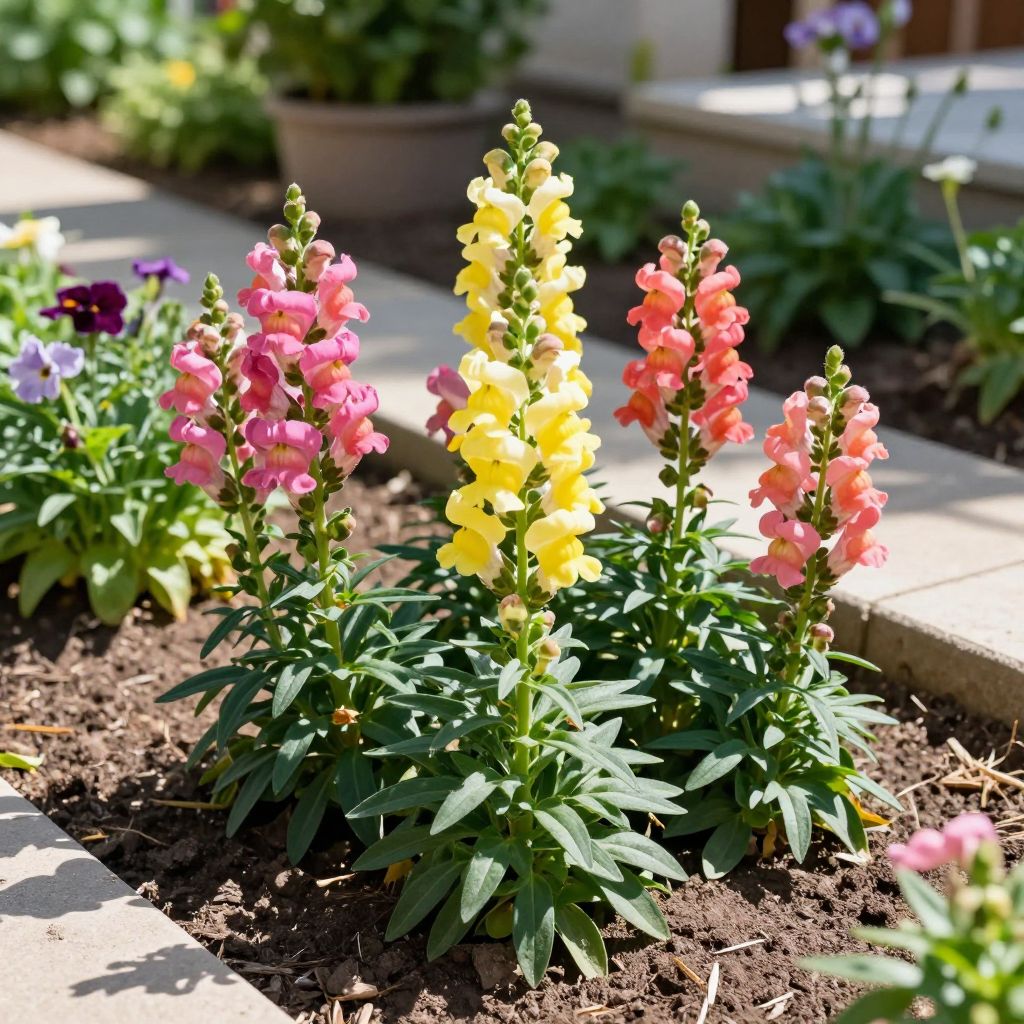
Do snapdragons need full sun? In most gardens, yes—snapdragons grow best with plenty of light and cool temperatures. They can tolerate a little light shade, especially in hot climates, but too much shade usually means fewer flowers, leggier stems, and weaker growth.
If you want sturdy plants and long bloom time, the right balance of sun, drainage, and regular deadheading matters more than any one care step. Here’s how much sun snapdragons really need and how to grow them well in different conditions.
Do snapdragons need full sun?
Snapdragons (Antirrhinum majus) do best in full sun, which means at least 6 hours of direct light daily. They can still bloom in partial sun, especially in warm regions, but flowering is usually lighter and stems may stretch. In hot climates, morning sun with afternoon shade often gives the best results.
How much sunlight snapdragons need
Snapdragons are cool-season flowering plants, so they like bright light without extreme heat. The ideal amount of sun depends on your climate, the season, and whether the plants are in the ground or containers.
Best light conditions
- Full sun: 6 to 8+ hours of direct sun for the strongest flowering.
- Partial sun: 4 to 6 hours of direct sun, usually acceptable in warmer areas.
- Light afternoon shade: Helpful where summers are hot or intense.
- Too much shade: Often leads to fewer blooms, weak stems, and fungal issues from slower drying foliage.
If your garden gets strong afternoon heat, snapdragons often perform better with sun in the morning and protection later in the day. In cooler climates, they can usually handle more direct sun without stress.
What happens if snapdragons don’t get enough sun?
When snapdragons are short on light, they usually tell you quickly. The plants may still live, but they won’t perform as well.
Common signs of too little sun
- Long, floppy stems that need support
- Fewer flower spikes
- Smaller blooms or shorter bloom periods
- Pale foliage or slow growth
- More mildew or leaf spot in damp, shady areas
These problems are especially common when snapdragons are planted under trees, beside tall shrubs, or in beds that get only a few hours of filtered light. If the site is too shady, moving the plants is often the best fix.
Can snapdragons grow in partial shade?
Yes, snapdragons can grow in partial shade, but they usually bloom best with more light. In hot summer regions, partial shade can actually improve flower quality by reducing heat stress. The key is to avoid deep shade and to give them as much bright light as possible.
When partial shade helps
- You live where spring and early summer are hot
- Your garden gets intense afternoon sun that scorches tender plants
- Containers dry out very quickly in full exposure
- You want to extend bloom time during warm weather
Partial shade should still be fairly bright. Dappled shade under a light canopy or several hours of morning sun is much better than a dark corner.
Best planting conditions for healthy snapdragons
Sunlight is important, but snapdragons also need the right soil and moisture balance. They dislike soggy roots and do best in loose, well-drained soil that stays evenly moist.
Soil and drainage
- Use soil that drains well and does not stay waterlogged.
- Work in compost if your soil is poor, compacted, or low in organic matter.
- Avoid heavy clay pockets unless you improve drainage first.
- In containers, use a quality potting mix rather than garden soil.
Good drainage matters because snapdragons are prone to root problems in wet soil. If water sits around the roots after rain or watering, growth may stall and disease risk rises.
Spacing and airflow
Give plants enough space for air to move around them. Crowding can trap moisture on leaves and encourage fungal disease, especially in humid weather or shady sites.
- Leave room between plants based on their mature size.
- Thin crowded seedlings early.
- Keep beds weed-free so air and light can reach the plants.
How to care for snapdragons in full sun
Snapdragons in full sun usually bloom more heavily, but they may also dry out faster. The goal is steady care, not constant fussing.
Watering
Water deeply when the top layer of soil begins to dry, especially after planting and during warm spells. Try to water at the base of the plant so foliage stays dry.
- New transplants need more consistent moisture while roots establish.
- Established plants prefer even moisture, not soggy soil.
- Container plants often need water more often than garden beds.
In hot, sunny weather, check containers daily. Wind and reflected heat from walls, patios, or pavement can dry them out quickly.
Mulching
A thin layer of mulch can help conserve moisture and keep roots cooler. Keep mulch a little away from the stems so the crown does not stay damp.
Feeding
Snapdragons usually do not need heavy feeding. Too much nitrogen can produce lush leaves and fewer flowers. If your soil is poor, a light application of compost at planting time is often enough to get started.
Pruning and deadheading for more blooms
One of the easiest ways to keep snapdragons flowering is to remove spent blooms. This encourages the plant to keep producing new spikes instead of setting seed.
Deadheading basics
- Wait until a flower spike has finished blooming.
- Cut it back to a side shoot or a healthy set of leaves.
- Repeat regularly during the bloom season.
In many gardens, this simple habit can noticeably extend the flowering period. If plants become tall and sparse, a light trim may help them branch and rebloom.
Should you pinch snapdragons?
Pinching young plants can encourage bushier growth, especially if they are becoming leggy early. Use clean fingers or small pruners to remove the top growing tip when plants are still young and actively growing.
Common problems caused by too much or too little sun
Sun exposure affects more than flowering. It can also influence disease, watering needs, and plant shape.
Too much heat and sun
In very hot weather, snapdragons may slow down or stop blooming. Leaves can wilt in the afternoon even when soil is moist, especially in containers.
- Move pots to a spot with afternoon shade.
- Mulch garden plants to reduce root stress.
- Water early in the day so plants are hydrated before heat peaks.
Too little light
Shady plants often stretch toward the light and produce fewer flowers. They may also stay damp longer after rain or watering, which increases the chance of powdery mildew or leaf spot.
- Prune nearby plants that are blocking light.
- Move containers to a brighter location.
- Replant snapdragons in a sunnier bed if the site is too dim.
Pests and diseases to watch for
Healthy snapdragons in the right light are less likely to struggle, but a few pests and diseases can still appear. Good spacing, clean watering habits, and proper sun exposure help reduce problems.
Common pests
- Aphids on tender new growth
- Spider mites in hot, dry conditions
- Caterpillars that chew leaves or flowers
Check the undersides of leaves and the tips of new growth if plants look distorted or weak. A strong spray of water can dislodge light aphid infestations, and damaged growth can be removed if needed.
Common diseases
- Powdery mildew in humid or crowded plantings
- Root rot in poorly drained soil
- Leaf spots when foliage stays wet for long periods
To reduce disease, avoid overhead watering late in the day, space plants well, and remove badly affected growth promptly. If a plant is repeatedly diseased in one spot, the site may be too shady or too wet for snapdragons.
Growing snapdragons in containers
Containers are a good option if your garden soil is heavy or if you want to move plants to chase the best light. They also make it easier to protect snapdragons from extreme afternoon heat.
Container tips
- Choose a pot with drainage holes.
- Use a high-quality potting mix.
- Place the container where it gets morning sun and good airflow.
- Water more often than you would in the ground, especially in warm weather.
Because pots warm up and dry out faster than beds, container snapdragons may need a little extra attention during sunny spells. If the plant wilts daily, the container may be too small or too exposed.
When to move or replace snapdragons
If your snapdragons are not thriving, the issue may be location rather than care. These plants are often most productive in cool weather, so performance can drop as temperatures rise even if sunlight is adequate.
Consider moving them if
- They receive less than 4 hours of direct sun
- They are stretched and weak despite proper watering
- The soil stays wet for long periods
- They are in peak heat and stop blooming early
Sometimes the best solution is to treat snapdragons as a cool-season flower and replace them when weather becomes too hot. In many climates, they shine in spring and again in fall rather than through the hottest part of summer.
Quick care checklist
- Give snapdragons at least 6 hours of direct sun if possible.
- Use light afternoon shade in hot climates.
- Plant in well-drained soil enriched with compost if needed.
- Water at the base and keep foliage as dry as possible.
- Deadhead spent blooms to encourage more flowers.
- Watch for mildew, aphids, and root problems in crowded or shady spots.
Final answer: do snapdragons need full sun?
Yes, snapdragons usually do best in full sun, but they can handle partial sun if your climate is warm or your site gets intense afternoon heat. If you want stronger stems and more blooms, give them bright light, well-drained soil, and regular deadheading. If you are planning a new bed, choose the sunniest cool-season spot you have and adjust watering to match your local weather.
If you want to compare snapdragons with other easy bloomers for sunny beds, you may also enjoy reading about how to grow snapdragons and care tips for annual flowers.