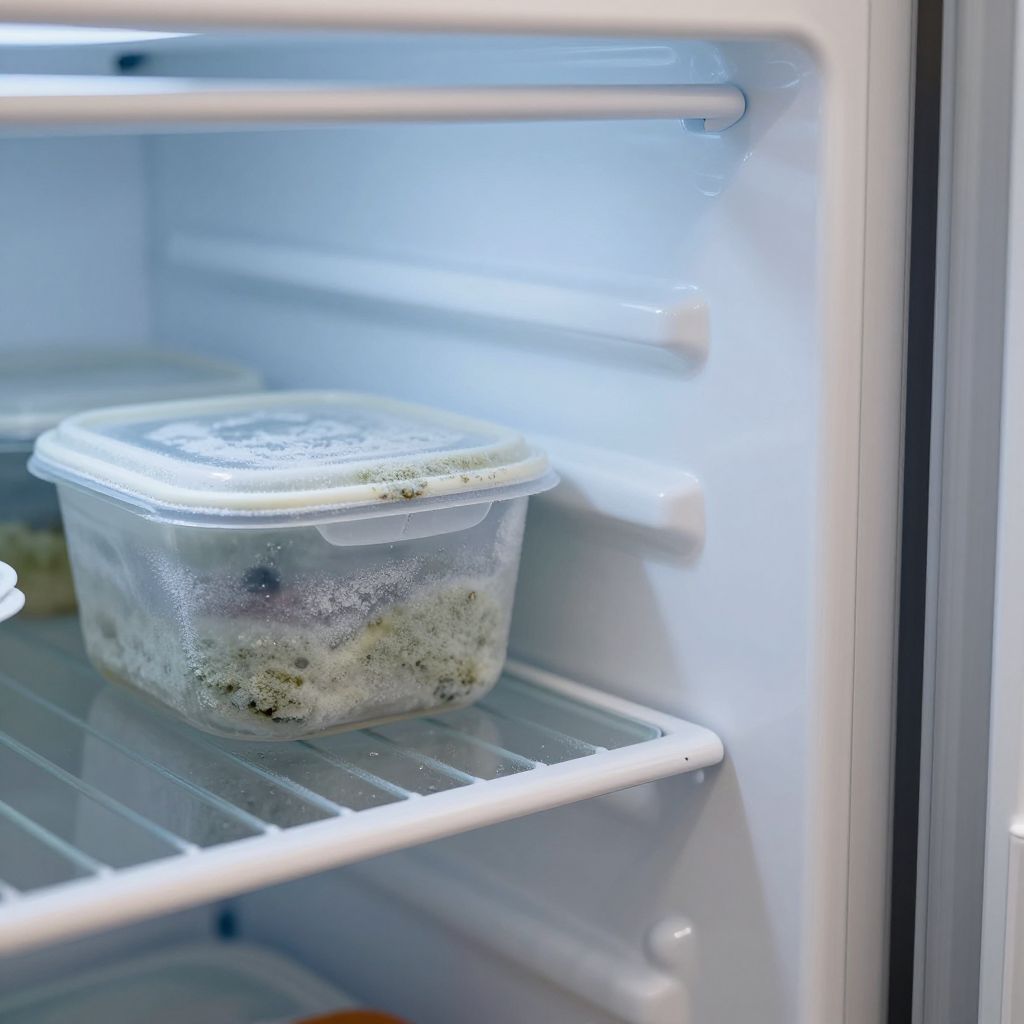
Can mold grow in the freezer, and does it matter for your gardening supplies or stored harvests? Yes, mold can grow in a freezer if there is enough moisture, food residue, or a dirty seal, even though the cold slows most growth. The good news is that a freezer is usually easy to clean, and a few simple habits can prevent future problems.
For gardeners, this matters most when you store seeds, harvested produce, potting mix ingredients, or plant cuttings in a freezer. Understanding when mold appears, what it means, and how to clean it safely helps protect both your food and your gardening materials.
Can mold grow in the freezer?
Yes, mold can grow in the freezer, but it usually does so only in spots with moisture, spilled plant material, or poor cleaning. Freezing temperatures slow mold dramatically, yet they do not always kill it. If the freezer is dirty, humid, or not sealing well, mold can survive on residue and spread when conditions improve.
Why mold can still appear in a freezing environment
Most mold prefers warmth, but some species can survive cold conditions in a dormant state. In a freezer, the main issue is not active rapid growth; it is contamination left behind on surfaces, packaging, or stored items.
Common reasons mold shows up
- Spills and crumbs from fruit, vegetables, herbs, or prepared garden produce
- Condensation from frequent door opening or a weak door seal
- Dirty gaskets around the door where moisture and debris collect
- Poor airflow from overpacking the freezer
- Damaged packaging that lets moisture reach stored items
For gardeners, this is especially relevant if you freeze berries, beans, tomatoes, peppers, or blanched vegetables from the garden. Any organic residue left behind can become a food source for mold once the freezer cycles, warms briefly, or accumulates moisture.
What mold in the freezer means for garden produce
If you see mold in the freezer, it does not automatically mean everything inside is unsafe. It does mean you should inspect stored items carefully, because mold can spread to packaging, soft produce, and any item with moisture exposure.
When to discard garden produce
- Discard any frozen produce with visible mold on the surface or packaging interior.
- Throw away items that smell sour, musty, or off after thawing.
- Do not try to salvage soft fruits or vegetables that were stored in moldy, wet packaging.
- If a sealed container cracked or leaked, check nearby items for contamination.
Hard-frozen items are less likely to be deeply contaminated than soft, thawed, or partially thawed produce, but it is still wise to be cautious. If you are unsure, composting the affected plant material is better than risking a spoiled batch.
How to clean mold from a freezer safely
Cleaning a moldy freezer is straightforward if you work methodically. The goal is to remove food residue, moisture, and spores from surfaces so the problem does not return.
- Unplug the freezer or switch it off if possible.
- Remove all stored items and place salvageable frozen goods in another cold space.
- Let the freezer defrost if needed so you can reach all surfaces.
- Wash shelves, drawers, walls, and seals with warm water and mild dish soap.
- Rinse and dry thoroughly with clean towels.
- Clean the door gasket carefully, since mold often hides in folds and creases.
- Leave the door open briefly to air-dry before restarting.
If you want extra cleaning power, use a food-safe cleaner suitable for appliance interiors and follow the label directions. Avoid mixing cleaners, and never combine bleach with ammonia or vinegar. For most freezers, thorough washing and drying are enough.
Don’t forget these hidden spots
- Drain channels and drip trays
- Drawer runners and shelf edges
- Rubber gaskets around the door
- Cracks, seams, and corners where plant debris can collect
How to prevent mold in a freezer used for garden storage
Prevention is mostly about dryness, cleanliness, and good packaging. Gardeners often freeze produce in batches, and that makes it easy for juice, soil, and leaf bits to build up over time.
Best storage habits
- Wash and dry produce well before freezing when appropriate.
- Use airtight containers or freezer bags to limit moisture exposure.
- Remove as much air as possible from bags before sealing.
- Label items clearly so old produce does not sit forgotten.
- Clean spills promptly, especially from berries, herbs, and cut vegetables.
- Check the door seal regularly for cracks, grime, or gaps.
For herbs, blanched vegetables, and fruit, moisture control matters more than almost anything else. Wet packaging can create frost buildup, and frost can melt into damp residue during door openings or defrost cycles.
Tips for freezing common garden harvests
- Berries: Freeze in a single layer first, then transfer to bags to reduce clumping and crushing.
- Beans and peas: Blanch before freezing to preserve texture and reduce spoilage risk.
- Leafy herbs: Dry well before freezing or use airtight containers to limit ice crystals.
- Tomatoes: Freeze only sound fruit; discard any with soft spots or mold before storage.
- Cut flowers or plant cuttings: Freezing is usually not appropriate unless you are preserving plant material for a specific purpose and know it tolerates freezing.
Does freezing kill mold on seeds, bulbs, or plant material?
Freezing can damage some living organisms, but it does not reliably eliminate mold spores on contaminated materials. For gardeners, that means you should not assume frozen storage makes dirty or moldy seeds, bulbs, or produce safe.
Seed storage caution
Most garden seeds are best stored cool, dry, and dark rather than in a freezer unless the species and storage method are appropriate. If seeds are not fully dry before freezing, moisture can encourage mold or damage the seed coat.
If you choose freezer storage for seeds, they must be thoroughly dried and sealed in moisture-proof packaging. Even then, avoid repeated thawing and refreezing, which creates condensation and raises mold risk.
Bulbs, tubers, and roots
Many bulbs, tubers, and root crops should not be frozen at all unless you are intentionally preserving them in a way that the crop tolerates. Freezing can rupture tissues, and damaged plant material becomes more vulnerable to mold once thawed.
How to tell mold from frost or freezer burn
Not every white patch in a freezer is mold. Gardeners often confuse frost, ice crystals, and freezer burn with fungal growth, especially on packaged produce.
- Frost looks like a thin white or clear icy coating and disappears when warmed.
- Freezer burn appears as dry, leathery, pale patches on food exposed to air.
- Mold often looks fuzzy, powdery, or spotty and may be green, white, gray, or black.
If the material is dry and icy, it is probably not mold. If it looks fuzzy or smells musty after thawing, treat it as contamination.
Common mistakes gardeners make
Many freezer mold problems come from a few simple habits that are easy to fix. If you store harvests, cuttings, or seed packets near frozen food, these mistakes matter even more.
- Putting damp produce into the freezer without drying it first
- Leaving spilled juice or plant debris inside for too long
- Overfilling the freezer so air cannot circulate
- Ignoring a weak door seal or broken gasket
- Storing items in thin packaging that tears easily
- Forgetting to rotate older harvests to the front
A freezer that is crowded, wet, and rarely cleaned is much more likely to develop mold than one that is organized and dry. Good housekeeping is the simplest prevention method.
When to replace parts or call for repair
If mold keeps returning after cleaning, the freezer may have an underlying moisture problem. A damaged gasket, blocked drain, or poor temperature control can create the damp conditions mold needs.
Watch for these warning signs
- Persistent ice buildup near the door
- Water pooling inside or underneath the unit
- Food thawing and refreezing unexpectedly
- A door that does not close tightly
- Repeated musty odors after cleaning
Fixing the moisture source is just as important as scrubbing the visible mold. Otherwise, the problem will likely return.
Practical freezer care tips for gardeners
Think of freezer care as part of harvest storage, just like curing onions or drying herbs. A clean, dry freezer helps protect the quality of what you grew and reduces waste.
- Wipe up spills as soon as you notice them.
- Inspect stored produce monthly during heavy harvest season.
- Keep a small inventory list so nothing is forgotten.
- Use sturdy freezer-safe containers for juicy crops.
- Defrost and deep-clean the freezer when frost or residue starts to build up.
If you freeze garden produce regularly, set a reminder to check seals and clean shelves before peak harvest time. That small habit can prevent both mold and food loss.
Conclusion
So, can mold grow in the freezer? Yes, especially where moisture and food residue are present, but it is usually preventable. Clean spills quickly, keep produce dry, and inspect seals and packaging so your stored harvests stay in good condition. If you want to keep improving your harvest storage, also read up on safe freezer organization and proper postharvest handling for homegrown fruits and vegetables.