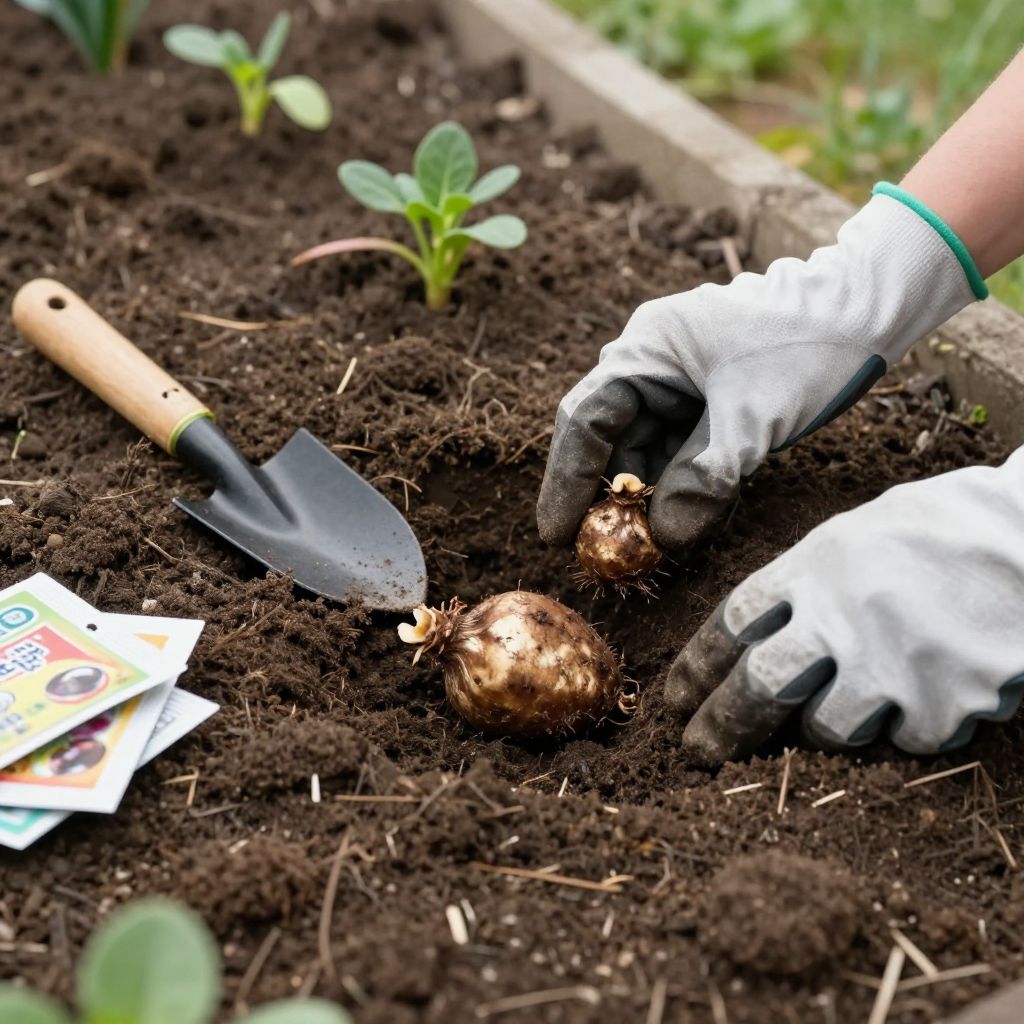
Wondering when to plant dahlia tubers so they sprout well and flower on time? The best planting time is after the risk of frost has passed and the soil has warmed, because cold, wet ground can rot tubers before they grow. In most gardens, that means planting in spring, but your local climate matters more than the calendar.
If you plant too early, tubers may sit in chilly soil and fail. If you plant too late, you may still get blooms, but flowering can be delayed, especially in shorter seasons. The goal is to give dahlias warm soil, good drainage, and enough time to develop strong roots before the heat of summer.
When to plant dahlia tubers?
Plant dahlia tubers outdoors in spring once the danger of frost has passed and soil temperatures are consistently above about 60°F (15°C). In cool climates, wait until the ground is workable and warming steadily; in mild areas, planting may begin earlier. The safest rule is: plant when nights are no longer cold and the soil is not wet and chilly.
Why timing matters for dahlia tubers
Dahlias are tender perennials grown from tuberous roots. They do not like cold, soggy soil, and they are easily damaged by frost.
Planting at the right time helps the tubers wake up, send out roots, and produce sturdy stems instead of rotting underground.
What happens if you plant too early?
- Tubers may rot in cold, wet soil.
- Growth can be slow or patchy.
- Emerging shoots may be damaged by a late frost.
What happens if you plant too late?
- Plants still grow, but flowering may start later.
- Tall varieties may have less time to mature before autumn frost.
- You may need to choose faster-blooming plants if your season is short.
How to judge the right planting time in your garden
Use your local frost dates as a guide, but also pay attention to soil condition. Dahlias prefer soil that is dry enough to crumble, not sticky or waterlogged.
- Wait until after the last expected frost in your area.
- Check that the soil has warmed and is workable.
- Choose a stretch of settled spring weather if possible.
- Avoid planting right before heavy rain or a cold snap.
If you garden in a very mild climate, you may be able to plant earlier than gardeners in colder regions. If your soil stays cold and wet well into spring, waiting a little longer is usually safer than rushing.
Can you start dahlia tubers indoors?
Yes, you can start tubers indoors in pots if your spring is cool or short. This can give you a head start, but it is optional and works best with bright light and careful watering.
- Use a pot with drainage holes.
- Plant in a free-draining potting mix.
- Keep the mix barely moist, not wet.
- Move plants outside only after frost danger has passed and they have been hardened off.
Best growing conditions for dahlias
Once you know when to plant dahlia tubers, the next step is giving them the right site. Dahlias grow best in full sun, rich soil, and good drainage.
Sunlight
Choose a spot with at least 6 to 8 hours of direct sun each day. In very hot climates, a little afternoon shade can help prevent stress, especially for large-flowered varieties.
Soil
Dahlias prefer fertile, well-drained soil that holds some moisture but never stays soggy. Heavy clay can work if improved with compost and planted in raised beds or mounds.
Drainage
Drainage is critical. If water sits around the tubers after rain, they are much more likely to rot. Raised beds, gently mounded rows, or improved garden soil can make a big difference.
How to plant dahlia tubers step by step
Planting is straightforward, but a few details matter. Handle tubers gently and make sure each one has at least one visible eye or growing point if possible.
- Prepare the bed by loosening the soil and mixing in compost if needed.
- Dig a hole or trench deep enough to place the tuber about 4 to 6 inches deep.
- Lay the tuber horizontally with the eye facing up, if you can identify it.
- Cover with soil and water lightly once to settle the soil.
- Do not soak the bed repeatedly before growth appears.
Spacing depends on variety, but many dahlias need room for airflow and support. Give smaller plants at least 12 to 18 inches between tubers and larger types 18 to 24 inches or more.
Should you water after planting?
Water once after planting if the soil is dry, then wait until shoots appear before watering again heavily. In cool spring weather, too much moisture before growth starts is a common cause of rot.
Care after planting
After planting dahlia tubers, the main job is to protect them from cold and avoid overwatering. Shoots usually emerge in a few weeks, depending on soil warmth and weather.
Watering
Once the plants are actively growing, water deeply when the top layer of soil begins to dry. Aim for steady moisture rather than constant wetness.
Try to water at the base of the plant instead of overhead. This helps reduce leaf problems and keeps the soil from splashing onto new growth.
Mulching
A light mulch can help conserve moisture and suppress weeds, but do not pile mulch directly against the crown. Keep the area around the emerging stems open enough to prevent rot.
Staking
Many dahlias need support, especially tall varieties and those with large blooms. Install stakes or a support system early, so you do not damage roots later.
- Place stakes at planting time or soon after.
- Use soft ties that will not cut into stems.
- Check ties as the plant grows.
Common mistakes to avoid
Most dahlia problems start with timing or moisture. A few simple mistakes can make a big difference in whether tubers sprout well.
- Planting in cold soil can delay growth or cause rot.
- Overwatering before shoots appear is one of the most common causes of failure.
- Using heavy, poorly drained soil increases the risk of tuber loss.
- Planting too shallow can leave tubers exposed and unstable.
- Forgetting support can lead to broken stems later in the season.
Problems to watch for after planting
Even with good timing, a few issues can appear in spring and summer. Catching them early makes them easier to manage.
Rotting tubers
If a tuber turns soft or smells bad, it has likely rotted. This usually means the soil stayed too wet or too cold. Improve drainage and wait for warmer conditions before replanting.
Slow sprouting
Dahlias can be slow to emerge in cool weather. Before digging them up, check whether the soil is warm enough and whether the tuber is still firm. Patience is often better than disturbing the roots.
Slug and snail damage
Young shoots are vulnerable to slugs and snails, especially in damp gardens. Watch for chewed leaves and use practical control methods suited to your garden, such as hand-picking, barriers, or other non-damaging approaches.
Powdery mildew and leaf spotting
Good spacing, full sun, and watering at the base help reduce fungal problems. Remove badly affected leaves if needed and keep air moving around the plants.
Can you plant dahlia tubers in pots?
Yes, dahlias can grow well in containers if the pot is large enough and drains well. This is useful if your soil is heavy or if you want to move plants for better light.
- Choose a deep pot with drainage holes.
- Use a high-quality potting mix, not garden soil.
- Keep the pot in full sun.
- Water more often than in the ground, but never let the pot stay soggy.
Container-grown dahlias often need more frequent feeding and staking than those in the ground, because the root space is limited and the plants can dry out faster.
What to do if your season is short
If frost arrives early in your area, timing becomes even more important. You may want to start tubers indoors or choose varieties that bloom earlier.
- Plant as soon as the soil is warm enough in spring.
- Use a sunny, sheltered site to speed growth.
- Pinch young plants if needed to encourage branching, but do so only after they are established.
- Keep plants well supported so they can flower efficiently.
In short-season gardens, every week counts. A warm start in spring can make the difference between a few blooms and a full display before autumn frost.
Conclusion: the best time to plant dahlia tubers
The best time to plant dahlia tubers is in spring, after frost danger has passed and the soil has warmed enough to support growth. Focus on warm, well-drained soil, careful watering, and a sunny site, and your tubers will have the best chance to sprout strongly and bloom well.
If you want to plan the rest of your flower bed, you may also find it helpful to read about how to prepare garden soil for flowering plants and how to stake tall garden flowers.