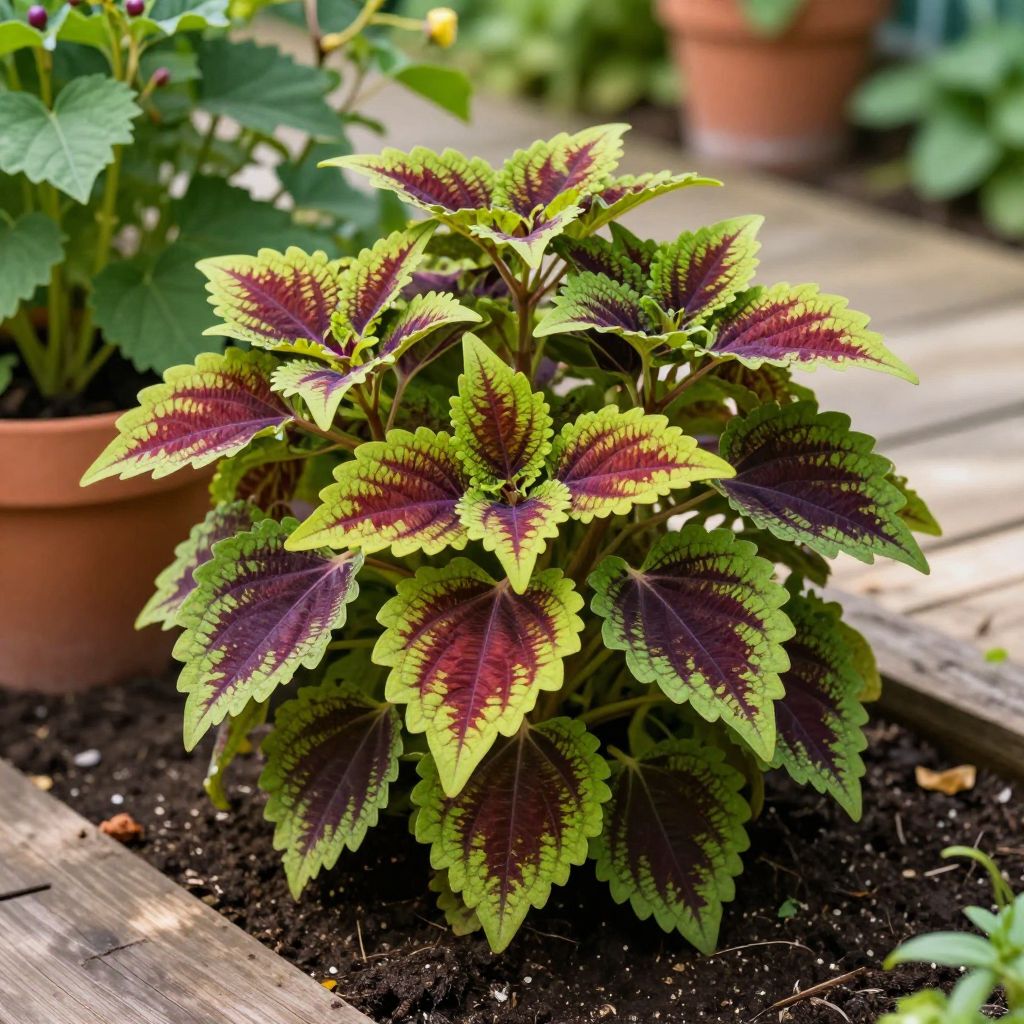
If you’re wondering, “Are coleus perennials?” the short answer is: sometimes. Coleus plants are tender perennials in warm climates, but in most gardens they’re grown as annuals because they can’t survive frost. Whether yours returns next year depends on your winter temperatures and whether you bring it indoors.
The good news is that coleus is easy to keep going if you understand its needs. With the right light, drainage, and a little pruning, you can enjoy bold foliage in beds, containers, or houseplant form for a long season.
Are coleus perennials?
Coleus (Plectranthus scutellarioides) is a tender perennial in frost-free climates, meaning it can live for more than one year where winters stay warm. In colder regions, frost kills the top growth, so gardeners usually treat it as an annual or overwinter it indoors as a houseplant or cutting.
What determines whether coleus comes back?
Whether coleus survives the winter depends mainly on temperature, not on how well it looked during summer. A healthy plant can still die if exposed to frost, while a modest plant may return if kept above freezing and protected from cold, wet conditions.
Climate and hardiness
- Frost-free areas: Coleus may behave like a perennial outdoors year-round.
- Cold-winter areas: It usually dies back outdoors after frost.
- Indoor overwintering: You can keep it alive as a potted plant with bright light.
Annual vs. perennial behavior
Many gardeners call coleus an annual because they replace it each spring. That doesn’t mean the plant is naturally short-lived; it means the local climate ends its life cycle outdoors. In warm regions, the same plant can grow for several seasons if it is kept healthy and trimmed.
Best growing conditions for long-lasting coleus
Coleus stays fuller and healthier when its growing conditions match its tropical background. It prefers warmth, even moisture, and protection from harsh midday sun. Poor light or soggy soil often causes legginess, leaf scorch, or rot long before cold weather arrives.
Light
Most coleus varieties do best in bright shade or morning sun with afternoon protection. Some newer selections tolerate more sun, but even sun-loving types usually need gradual acclimation and consistent moisture.
- Too little light: Stems stretch and leaves lose color intensity.
- Too much hot sun: Leaves may scorch, curl, or bleach.
- Best balance: Bright indirect light or filtered sun.
Soil and drainage
Use rich, well-draining soil that holds some moisture without staying waterlogged. In containers, a high-quality potting mix works well. In garden beds, loosen heavy soil and mix in compost to improve structure and drainage.
- Add compost to planting beds to improve fertility and moisture retention.
- Choose pots with drainage holes.
- Avoid dense clay soil unless it has been amended and raised for better drainage.
Watering
Coleus likes evenly moist soil, but not constant saturation. Water when the top inch of soil feels dry, then water thoroughly so moisture reaches the root zone. In hot weather or containers, you may need to check moisture more often.
Tip: Wilting can mean either dry soil or root stress from too much water. Always check the soil before watering again.
How to keep coleus alive from year to year
If you want your coleus to act like a perennial, you have two practical options: overwinter the whole plant indoors or propagate new plants from cuttings. Both methods work well, and cuttings are often the easiest backup in case the parent plant declines.
Overwintering potted coleus indoors
- Bring the plant indoors before nighttime temperatures drop near freezing.
- Inspect it for pests such as aphids, whiteflies, or spider mites.
- Trim back leggy growth to help it adapt to indoor light.
- Place it in bright, indirect light near a window.
- Water less often than outdoors, but do not let it dry out completely.
Indoor coleus usually grows more slowly in winter. That is normal. The goal is to keep it alive, not to force vigorous growth during low-light months.
Taking cuttings for backup plants
Coleus roots readily from stem cuttings, which makes it easy to preserve your favorite color pattern. This is especially helpful if your outdoor plant is large, crowded, or likely to decline indoors.
- Cut a healthy stem just below a node.
- Remove the lower leaves.
- Place the cutting in water or moist potting mix.
- Keep it warm and in bright, indirect light.
- Pot it up once roots are well formed.
Taking a few cuttings before frost gives you insurance if the main plant does not survive winter.
Planting coleus outdoors for the best results
Plant coleus outside only after frost danger has passed and the soil has warmed. Cold soil can slow establishment, and a late frost can damage tender leaves quickly. In warm climates, planting time is more flexible, but the plant still performs best in mild to warm conditions.
In garden beds
- Choose a site with bright shade or gentle morning sun.
- Work compost into the planting area before planting.
- Space plants to allow airflow and room for mature spread.
- Mulch lightly to help conserve moisture and reduce weeds.
In containers
Containers are ideal for coleus because you can move them to match the season. Use a pot large enough for root growth and make sure excess water can drain freely. A pot that is too small dries out too fast and can stress the plant.
- Use a container with drainage holes.
- Choose a loose potting mix, not garden soil.
- Group containers where they get morning sun or bright shade.
Pruning and pinching for fuller growth
Coleus benefits from regular pinching, especially when young. Pinching the tips encourages branching, which creates a bushier plant and reduces the lanky look that often happens in low light or late summer.
How to pinch coleus
- Find a stem tip with a pair of leaves.
- Pinch or snip just above a leaf node.
- Repeat every few weeks during active growth if the plant gets leggy.
Remove flower spikes if you want the plant to put more energy into foliage. Some gardeners enjoy the blooms, but flowering can make the plant look tired and may reduce leaf production.
Common problems that shorten coleus life
Most coleus problems are cultural rather than serious diseases. If the plant declines early, check light, moisture, temperature, and airflow before assuming it is doomed. Small corrections often restore vigor quickly.
Leggy growth
Leggy stems usually mean the plant needs more light or more pruning. Move it to a brighter spot and pinch it back to encourage branching. If it is already very stretched, cut it back harder and let new shoots form.
Leaf scorch
Brown or faded patches on leaves often come from intense afternoon sun or sudden exposure after being grown in shade. Move the plant gradually into brighter light rather than shifting it abruptly.
Root rot
Yellowing leaves, limp stems, and a sour-smelling potting mix can signal overwatering or poor drainage. Let the soil dry slightly, improve drainage, and avoid letting pots sit in saucers of water.
Pests
- Aphids: Cluster on soft new growth and distort leaves.
- Whiteflies: Tiny flying insects that rise when the plant is disturbed.
- Spider mites: More common in dry indoor air; leaves may look speckled.
Rinse pests off with water, remove badly infested growth, and improve airflow. For indoor plants, check leaf undersides regularly so problems do not spread unnoticed.
How to tell if your coleus will survive winter
If you live where frost is common, do not wait until the first freeze to decide. Coleus often declines quickly once nights get cold, so prepare ahead if you want to save it. Healthy, compact plants with no pest problems are the best candidates for overwintering.
Good candidates for saving
- Plants with strong stems and healthy foliage
- Container-grown plants that can be moved indoors easily
- Favorite color forms you want to keep for next season
Plants better treated as seasonal
- Severely leggy or pest-infested plants
- Plants growing in cold, wet soil late in the season
- Plants that are already declining from stress
Practical care tips for longer-lasting coleus
A few simple habits can extend the life of coleus and keep it looking attractive for months. These are especially useful if you want the plant to behave more like a perennial in a container or protected spot.
- Keep soil evenly moist, not soggy.
- Provide bright light without harsh afternoon sun.
- Pinch stems regularly for a compact shape.
- Feed lightly during active growth if the plant is in a container or poor soil, following product directions.
- Move plants indoors before frost if you want to overwinter them.
Important: Coleus is more likely to survive a mild winter indoors than a cold one outdoors. If you want a plant to return next year, plan ahead before temperatures drop.
Conclusion: should you treat coleus as a perennial?
Yes, but only in the right climate. In frost-free regions, coleus can grow as a perennial outdoors. In colder areas, it is usually grown as an annual unless you bring it inside or root cuttings for winter. If you want to keep yours going, start with a healthy plant, prune it regularly, and protect it from frost.
If you’d like to keep improving your foliage displays, consider reading more about container planting and shade-loving annuals for ideas that pair well with coleus in the garden.