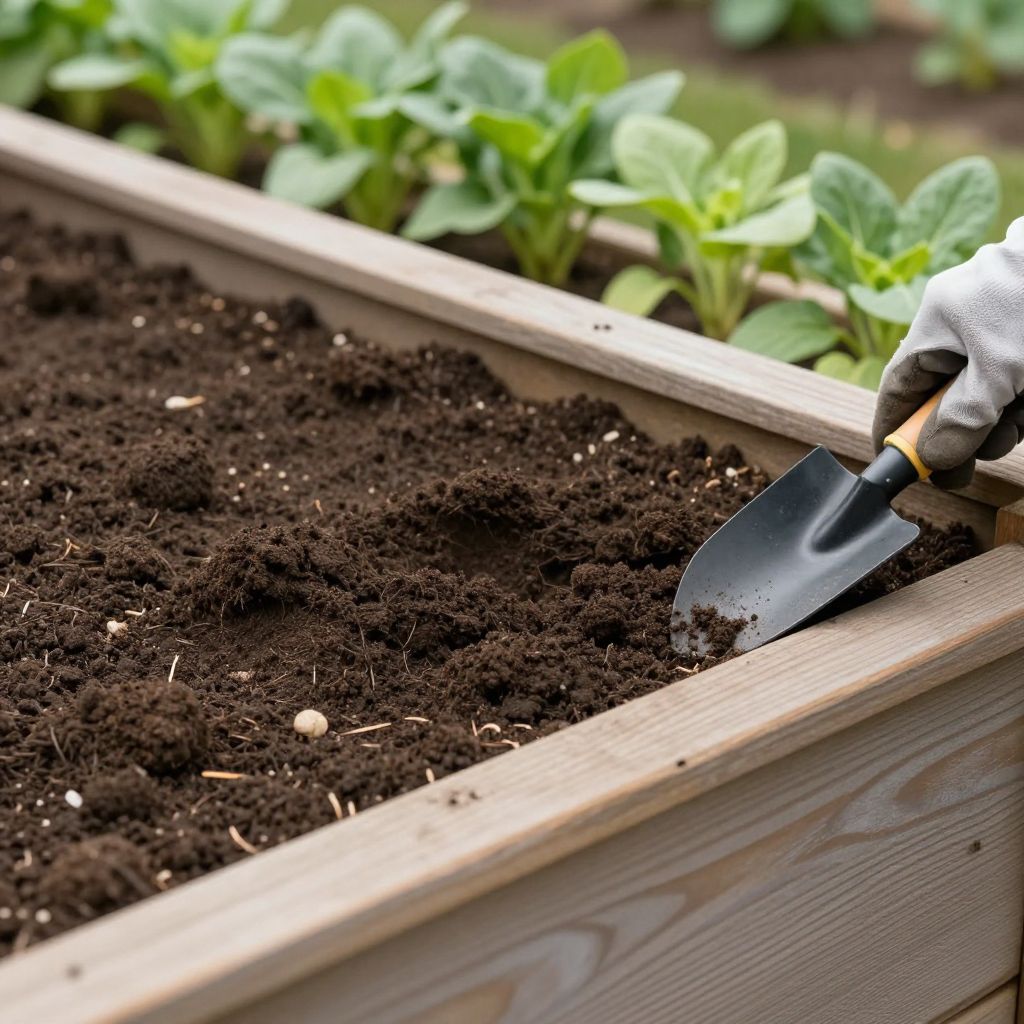
Are you trying to figure out what is soil level in your garden bed, pot, or planting hole? In simple terms, soil level is the height of the soil surface relative to the plant, container rim, or surrounding ground. Getting it right helps roots breathe, water drain properly, and stems avoid rot.
It sounds basic, but soil level affects whether a plant settles in too deep, too high, or just right. If you’re planting, repotting, or reshaping a bed, understanding this one detail can prevent a lot of common growing problems.
What is soil level?
Soil level is the visible top surface of the soil after planting or after a container is filled. In the garden, it usually means the soil line should match the plant’s root flare or the surrounding bed level, depending on the plant. The right level supports drainage, oxygen flow, and healthy stem growth.
Why soil level matters for plant health
Planting too deep is one of the most common mistakes gardeners make. When the soil sits too high against stems or trunks, moisture can collect where it shouldn’t, encouraging rot, pests, and disease.
Planting too shallow can also cause trouble. Roots may dry out faster, plants can wobble in wind, and exposed root balls may heat up or freeze more easily.
What the correct soil level does
- Helps water soak in evenly instead of pooling around stems
- Protects roots from drying out too quickly
- Reduces the risk of stem and crown rot
- Improves stability for newly planted shrubs, perennials, and trees
- Makes mulching safer and more effective
How to identify the correct soil level
The correct soil level depends on what you are planting. For most plants, the top of the root ball should sit level with or slightly above the surrounding soil, while the root flare on trees should remain visible above the soil line. In pots, the soil should usually sit about 1 to 2 inches below the rim to allow room for watering.
For garden beds
When planting in the ground, the finished soil surface should blend into the surrounding bed without burying the stem. For many perennials and shrubs, the top of the root ball should be even with the soil surface or just a little high if the soil is likely to settle.
For trees
Tree planting needs extra care. The root flare should be visible at the soil surface, not buried. If you cannot see the flare, the tree is likely too deep and may struggle over time.
For containers
In pots, leave a little space at the top so water does not spill over immediately. A gap of 1 to 2 inches is usually enough for most containers, though very large pots may need slightly more.
How to check soil level before planting
A quick check before you plant saves time later. You do not need special equipment, just a shovel, your hands, and a careful eye.
- Dig the hole or prepare the potting mix.
- Set the plant in place and look at the stem base or root flare.
- Compare the root ball height with the surrounding soil or container rim.
- Adjust the hole depth by removing or adding soil as needed.
- Backfill gently, then water to settle the soil.
- Check again after watering, since soil often sinks a little.
Easy tools that help
- Measuring tape or ruler for checking container depth and planting depth
- A flat board or straight stick to compare bed height across a planting area
- A hand trowel or spade for adjusting the hole
- Gloves for handling roots and compacted soil
Soil level in raised beds, pots, and in-ground gardens
Soil level is not the same in every gardening setup. The right approach depends on drainage, settling, and how the plant grows.
Raised beds
Raised beds often settle after filling, especially if the mix contains a lot of compost. Fill them close to the top, then expect the level to drop slightly after watering and rain. Keep the final surface a little below the bed edge so mulch and water stay in place.
Containers and hanging baskets
Container soil should be level enough to support the plant but not packed to the rim. Leave space for watering and reduce overflow. If the soil sinks after watering, top it up with fresh potting mix rather than piling soil around the stem.
In-ground beds
In the ground, the goal is usually a smooth transition between the plant’s root zone and the surrounding soil. Avoid creating a bowl around the stem unless you are intentionally watering a newly planted tree or shrub and will later remove the berm.
Common mistakes with soil level
Most soil-level problems come from planting too deep, mounding soil against stems, or letting containers settle unevenly. These mistakes are easy to miss at first, but they can affect growth for months or years.
- Burying the crown of perennials, which can lead to rot
- Planting trees too deep, hiding the root flare
- Leaving container soil too low, which makes watering difficult
- Filling raised beds too high, causing soil to wash out
- Piling mulch against trunks or stems instead of keeping it a few inches away
How to fix soil that is too high
If soil is piled against a stem or trunk, gently pull it back by hand or with a small trowel. Expose the base of the plant so air can reach it. For trees, uncover the root flare if it is buried.
How to fix soil that is too low
If the soil has settled too far below the root ball or container rim, add more mix around the edges and water it in. For garden beds, top up with quality soil or compost if the surface has dropped after settling.
How soil level affects watering and drainage
Soil level and drainage go hand in hand. If the soil sits too low in a pot, water may run off too quickly and leave roots dry. If it sits too high around a stem or in a poorly drained bed, water can linger and suffocate roots.
Good soil level helps water move through the root zone at a steady pace. That is especially important in heavy clay soil, compacted ground, and containers without excellent drainage holes.
Signs the soil level is causing watering problems
- Water pools around the plant base after watering
- Leaves wilt even though the soil feels wet
- Soil dries out extremely fast at the surface
- The plant rocks in the ground or in its pot
- Stems or trunks show dark, soft, or damaged tissue near the base
Seasonal considerations
Soil level can change with the seasons. Rain, freeze-thaw cycles, and repeated watering all cause soil to settle over time. That is why it is worth checking newly planted areas more than once.
In spring and early summer, newly planted beds may settle quickly as roots establish. In hot weather, dry soil can shrink and pull away from container edges. In wet seasons, low spots may fill with water and need leveling or improved drainage.
When to recheck soil level
- Right after planting
- After the first thorough watering
- After a heavy rain
- After a few weeks of settling
- At the start of each new growing season
Soil level for mulching and topdressing
Mulch should go on top of the soil, not replace it. Keep mulch a few inches away from stems, trunks, and crowns so moisture does not stay trapped there.
If you are topdressing with compost, spread a thin layer over the soil surface and avoid burying the plant base. A light application can improve soil structure, but too much can raise the soil level enough to smother shallow roots.
Troubleshooting common soil-level problems
If a plant looks unhappy, soil level may be part of the issue. Before assuming it needs more fertilizer or water, check the base of the plant carefully.
Problem: Stem or trunk looks buried
Solution: Remove excess soil until the stem base is visible. For trees, uncover the root flare. Do not leave mulch touching the trunk.
Problem: Plant keeps drying out
Solution: Check whether the root ball is sitting too high or whether the potting mix has shrunk away from the container edges. Add mix where needed and water deeply.
Problem: Water sits around the plant
Solution: Improve drainage by loosening compacted soil, raising the bed slightly, or replanting at a better height. In containers, make sure drainage holes are open and the pot is not sitting in standing water.
Problem: Plant is unstable
Solution: Soil may be too loose or too low around the root ball. Firm the surrounding soil gently, water it in, and add more mix if settling has exposed roots.
Best practices for getting soil level right every time
A few simple habits make a big difference. Take your time at planting, check the base of each plant, and resist the urge to bury stems “for support.” Most plants do better with the correct level and good drainage than with extra soil piled around them.
- Plant at the same depth the plant was growing before, or slightly higher if settling is likely
- Keep the root flare visible on trees
- Leave container soil 1 to 2 inches below the rim
- Water after planting to settle the soil, then recheck the level
- Keep mulch away from stems and trunks
If you want to improve your planting results, start by checking the soil line before you water or mulch. A few minutes spent on soil level can prevent rot, stress, and poor establishment later. For more practical help, you may also want to read about how to plant shrubs correctly and container drainage basics.