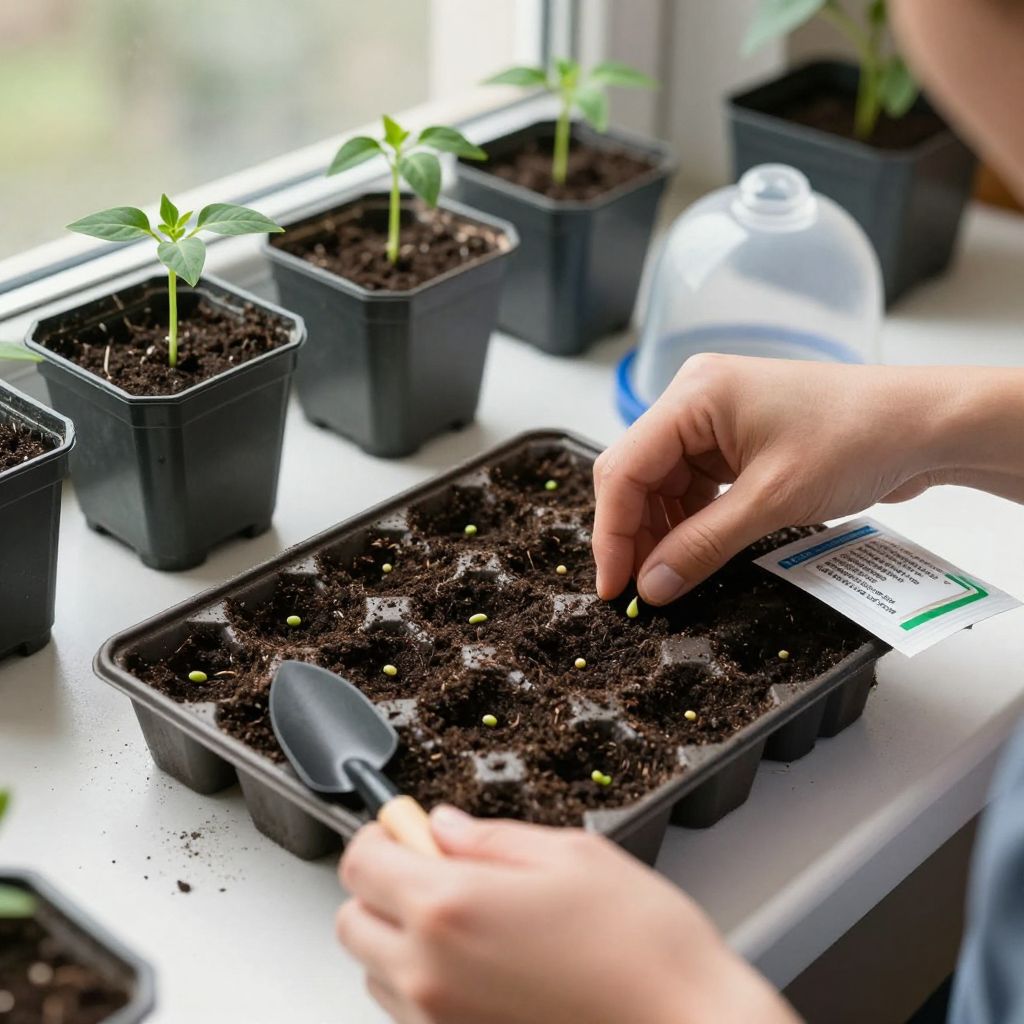
If you’re wondering when to start pepper seeds indoors, the short answer is usually 8 to 10 weeks before your last expected frost date. Peppers are slow to germinate and grow, so starting too early can leave you with leggy plants, while starting too late can delay harvest.
The best timing depends on your climate, your indoor setup, and whether you’re growing sweet peppers or hot peppers. With the right schedule and a few simple care steps, you can raise sturdy transplants that are ready to move outside when warm weather arrives.
When to start pepper seeds indoors?
Start pepper seeds indoors about 8 to 10 weeks before your area’s last spring frost date. In cooler climates or for slow-growing hot peppers, 10 to 12 weeks is often better. Aim to transplant outdoors only after nights stay warm and the soil has had time to heat up.
How to time pepper seed starting for your climate
Your last frost date is the main guide, but it is not the only factor. Peppers need warm soil and warm nights, so even if frost has passed, cold conditions can stall growth.
Use your last frost date as the starting point
- Cool climates: Start seeds 10 to 12 weeks before last frost.
- Moderate climates: Start seeds 8 to 10 weeks before last frost.
- Long, warm seasons: You may still benefit from indoor starting if spring nights are cool.
If you do not know your frost date, check a local extension service, weather station, or regional planting guide. Local conditions matter more than a calendar date printed on a seed packet.
Match timing to pepper type
Sweet peppers often germinate and grow a bit faster than many hot peppers, but both benefit from an early indoor start. Very slow or heat-loving varieties may need the full 10 to 12 weeks to size up before transplanting.
Do not start peppers too early unless you have space and strong light. Overgrown seedlings become rootbound, stretch toward the light, and can stall after transplanting.
What peppers need to germinate well indoors
Pepper seeds germinate best in warm, consistently moist conditions. They are much less forgiving than tomatoes, so a little extra attention at the beginning pays off later.
Temperature, moisture, and light
- Soil temperature: Aim for about 75 to 85°F for good germination.
- Moisture: Keep the mix evenly moist, not soggy.
- Light after sprouting: Provide bright light immediately once seedlings emerge.
A heat mat can help a lot if your home is cool. Once seedlings appear, remove the dome or loosen humidity cover and give them strong light for 12 to 16 hours a day.
Step-by-step: starting pepper seeds indoors
Starting peppers indoors is straightforward if you set up the right conditions from the beginning. The goal is to produce compact, healthy seedlings with strong stems and plenty of root growth.
- Choose containers. Use seed trays, cell packs, or small pots with drainage holes.
- Fill with seed-starting mix. Use a fine, sterile mix rather than garden soil.
- Moisten the mix first. It should feel damp like a wrung-out sponge.
- Sow seeds. Plant about 1/4 inch deep, or follow the packet directions if they differ.
- Keep warm. Place trays in a warm spot or on a heat mat.
- Cover lightly if needed. A humidity dome can help until germination, but ventilate daily.
- Move to bright light after sprouting. Use a sunny window only if it is very bright; grow lights are usually more reliable.
- Thin or pot up. If more than one seedling grows in a cell, separate them or snip the weaker one.
Best soil mix for pepper seedlings
Use a light seed-starting mix with good drainage and fine texture. Heavy potting soil can stay too wet and compact around small roots.
If you want to improve a basic mix, blend in a little perlite for aeration. Avoid adding rich compost at the seed-starting stage, since seedlings do best in a gentle, low-salt medium.
Light and temperature after germination
Once pepper seeds sprout, light becomes the priority. Without enough light, seedlings stretch, weaken, and fall over easily.
How much light do seedlings need?
Give seedlings bright, direct light from a grow light placed just a few inches above the tops of the plants. Raise the light as they grow so it stays close without touching the leaves.
If using a window, choose the sunniest south- or west-facing spot you have. Even then, many gardeners find supplemental light helps produce sturdier transplants.
Keep seedlings warm, but not hot
After germination, peppers grow well in normal indoor room temperatures, though they still prefer warmth. Avoid cold windowsills and drafts, which can slow growth.
If your seedlings are growing slowly, check both temperature and light before adding fertilizer. Weak light is a more common problem than hunger at this stage.
When to transplant pepper seedlings outdoors
Move peppers outside only when nights are reliably warm and the danger of frost has passed. Soil should be warm enough that the plants can keep growing instead of sitting still.
Signs they are ready
- Seedlings are 6 to 8 weeks old, or close to transplant size
- They have several true leaves and a sturdy stem
- Night temperatures are consistently mild
- The soil is warm, not cold and wet
Harden off seedlings for 7 to 10 days before planting them outside. Start with a few hours in shade or filtered sun, then gradually increase exposure to outdoor light, wind, and temperature swings.
How to plant them out
Choose a site with full sun and well-drained soil. Peppers usually perform best in rich, loose soil amended with compost, but the bed should not stay waterlogged.
Space plants according to the mature size listed on the seed packet, and water them in well after transplanting. If nights are still cool, use row cover or cloches to help the plants settle in.
Common mistakes when starting pepper seeds indoors
Most pepper seed problems come from timing, temperature, or light. Fixing those three things usually solves the biggest frustrations.
- Starting too early: Leads to rootbound, overgrown seedlings before outdoor conditions are ready.
- Starting too late: Delays flowering and harvest, especially in short-season climates.
- Using cold soil: Slows or prevents germination.
- Overwatering: Can cause damping off and weak roots.
- Not enough light: Produces tall, floppy seedlings.
- Skipping hardening off: Can shock seedlings and slow recovery.
Troubleshooting poor germination
If seeds have not sprouted after a reasonable wait, check the basics first. Pepper seeds often germinate slowly, especially in cooler rooms.
- Make sure the mix stayed evenly moist, not dry.
- Check that the soil stayed warm enough.
- Confirm the seeds were not planted too deeply.
- Use fresh seed if the packet is old or has been stored poorly.
If seedlings collapse at the base, improve airflow, reduce excess moisture, and avoid overcrowding. Sterile seed-starting mix and clean containers also help prevent disease.
How to keep pepper seedlings healthy before planting out
Healthy seedlings are compact, green, and steadily growing. They should not be rushed with heavy feeding or overhandled while small.
Watering and feeding
Water when the surface of the mix begins to dry, but do not let the tray sit in standing water. Bottom watering can help keep foliage dry and reduce disease risk.
Once seedlings have several true leaves, you can begin feeding lightly with a diluted balanced fertilizer if growth seems slow. Use restraint; too much fertilizer can create soft, weak growth.
Potting up if needed
If roots fill the cells before outdoor planting time, move seedlings into slightly larger pots. This gives them more room and helps prevent stunting.
Handle seedlings by the leaves, not the stem, and replant them at the same depth or slightly deeper if they are leggy.
Indoor starting vs. direct sowing
In most climates, peppers are better started indoors than sown directly in the garden. Direct sowing usually works only in long, warm seasons with very hot soil.
Indoor starting gives you a head start and more reliable harvests. It also lets you protect young plants from cold snaps, pests, and erratic spring weather.
Harvest timing after transplanting
Starting seeds indoors early helps peppers flower and fruit sooner, but harvest still depends on variety, weather, and growing conditions. Warm temperatures and steady moisture support the best fruit set.
Pick peppers when they reach the size and color you want. Many varieties can be harvested green, while fully ripened fruit may be sweeter or hotter depending on the type.
Quick checklist for timing pepper seeds indoors
- Find your local last frost date.
- Count back 8 to 10 weeks for most peppers.
- Use 10 to 12 weeks for slow varieties or cool climates.
- Provide warm germination conditions.
- Give strong light immediately after sprouting.
- Harden off seedlings before transplanting.
- Plant outdoors only when nights and soil are warm enough.
If you want to grow peppers successfully this season, mark your last frost date now and count backward to your ideal seed-starting window. For more on raising strong transplants, you may also want to read a guide to starting seeds indoors and a practical overview of hardening off seedlings.