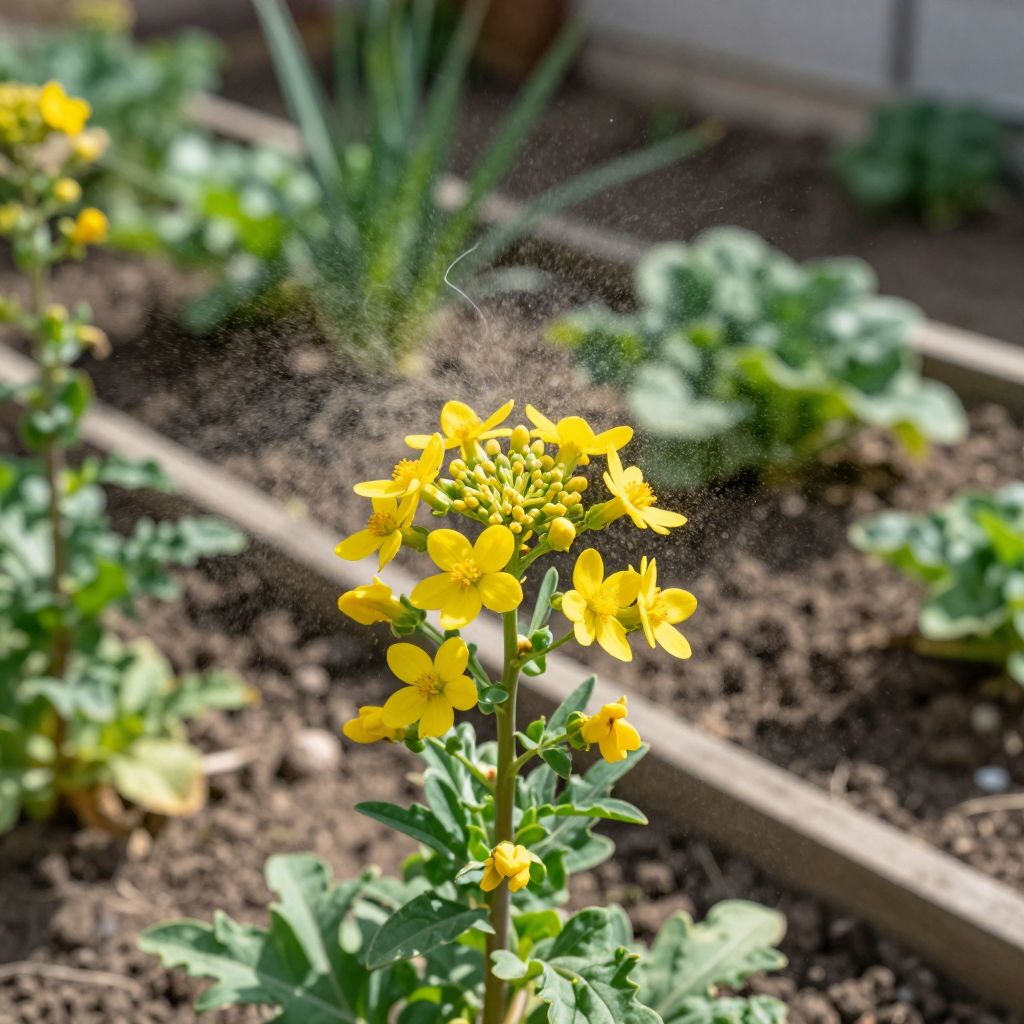
Do plants sneeze? If you’ve ever seen a puff of yellow dust leave a flower or a cloud of particles rise from a leaf, it can look a lot like a sneeze. But plants do not sneeze the way people and animals do. What you’re usually seeing is pollen release, seed dispersal, or water being forced from a plant tissue.
Understanding what causes these “sneeze-like” moments can help you care for plants better, especially if you’re growing flowering plants, grasses, or plants that seem to leak sap or mist after watering. Here’s how to tell what’s normal, what’s not, and when a plant needs attention.
Do plants sneeze?
No, plants do not sneeze in the animal sense. They have no nose, lungs, or nervous system to trigger a sneeze reflex. What looks like a sneeze is usually pollen being released, spores or dust being disturbed, or water pressure inside the plant pushing moisture out through natural openings or damaged tissue.
Why plants seem to “sneeze”
Several normal plant processes can create a sudden burst, spray, or puff that resembles a sneeze. The most common are pollination events, seed release, guttation, and the movement of fine dust or fungal spores.
1. Pollen release
Many flowering plants release pollen in a visible cloud when flowers are shaken by wind, insects, or touch. This is especially noticeable in grasses, catkins, and some trees. If you see yellow or pale dust drifting from blooms, that is pollen, not a sneeze.
2. Seed dispersal
Some plants eject seeds forcefully when pods dry and split. This can look like a tiny pop or burst. Examples include plants with spring-loaded seed pods, where dry tissue twists and releases the seeds suddenly.
3. Guttation
Guttation is when a plant pushes excess water out through special leaf openings, usually at night or early morning. You may see droplets on leaf tips or edges. It is not a sneeze, but it can look surprising if you’re not expecting it.
4. Spores or dust
Ferns, mushrooms, and some diseased leaves can release spores or powdery material when disturbed. Outdoors, wind can carry this material quickly, making it seem like the plant “puffed” or “sneezed.”
When a plant’s “sneeze” is normal
Most sneeze-like plant behavior is harmless. In fact, pollen release and seed dispersal are normal parts of a plant’s life cycle. Guttation is also usually normal if the plant is healthy and the soil stays too wet overnight.
- Pollen clouds from grasses, trees, and flowers are normal during bloom.
- Seed pods popping is a natural way some plants spread offspring.
- Leaf droplets in the morning can happen after heavy watering or humid nights.
When it may signal a problem
Although plants do not sneeze, unusual discharge or sudden bursts can point to stress. If you notice sticky residue, foul smell, wilting, spotting, or repeated leaf wetness, check for pests, disease, or watering issues.
Signs to inspect closely
- Leaves are yellowing, curling, or dropping early.
- There is sticky sap, honeydew, or black sooty mold.
- Leaf spots, powdery coating, or fuzzy growth appear.
- Soil stays soggy for days after watering.
- Stems look soft, dark, or collapsed.
How to tell pollen, guttation, and disease apart
A quick inspection usually reveals the cause. Look at the timing, texture, and color of what you see. Morning droplets are often guttation, while powdery or sticky residue may indicate pests or disease.
Pollen
Pollen is usually dry, fine, and yellow, white, or tan. It comes from flowers, catkins, or grasses and often appears during bloom season. It wipes off easily and does not feel slimy.
Guttation
Guttation forms as clear droplets at leaf tips or margins, often overnight or early in the morning. It is more common in humid conditions, after heavy watering, or when the soil is very moist and the roots are actively taking up water.
Pest or disease residue
Sticky droplets, black film, distorted growth, or spots on leaves may point to aphids, scale, powdery mildew, or bacterial issues. These problems usually affect the plant’s overall health, not just one visible “burst.”
Growing conditions that affect these symptoms
Plant behavior changes with light, moisture, airflow, and temperature. Good growing conditions reduce stress and make it easier to tell normal plant processes from real problems.
Watering and drainage
Overwatering can encourage guttation and root stress. Make sure containers have drainage holes and garden beds drain freely. Water deeply, then let the top layer of soil dry as appropriate for the plant before watering again.
If your plant is in a pot, empty saucers after watering so roots do not sit in standing water. In the ground, improve heavy clay soil with compost and avoid planting in low spots where water collects.
Sunlight and airflow
Plants growing in too little light or cramped conditions may stay damp longer, which raises disease risk. Good airflow helps leaves dry faster after rain or watering and reduces fungal issues.
Give each plant the light it needs for its type. Sun-loving plants usually need several hours of direct sun, while shade plants perform better with filtered light or morning sun. Match the plant to the site rather than forcing it to adapt.
Soil and compost
Healthy soil supports steady growth and better water balance. Add compost to improve structure and moisture retention in sandy soil, or to loosen dense soil over time. Avoid piling compost against stems or crowns, which can trap moisture and invite rot.
What to do if you see a sudden puff, spray, or droplet
Start by identifying the source. Most of the time, you can solve the mystery in a few minutes with a close look at the plant, the soil, and nearby surfaces.
- Check whether the plant is flowering or setting seed.
- Look for fine yellow, white, or tan dust on petals, leaves, or nearby surfaces.
- Inspect the undersides of leaves for aphids, mites, scale, or sticky residue.
- Feel the soil 2 to 3 inches below the surface in pots, or a few inches down in beds.
- Note whether droplets appear only in the morning, after watering, or after rain.
- Remove damaged leaves or spent flowers if they are clearly part of the problem.
Common mistakes to avoid
It is easy to misread normal plant behavior as disease, or to overreact with unnecessary treatment. A calm inspection usually saves time and protects the plant.
- Don’t assume every droplet is a pest problem. Many are just guttation.
- Don’t overwater to “fix” a stressed plant. Too much moisture can make things worse.
- Don’t shake flowering plants unnecessarily indoors. You may spread pollen and create a mess.
- Don’t ignore sticky leaves or black mold. Those often signal sap-sucking pests.
- Don’t treat without identifying the cause. Different problems need different solutions.
Indoor vs. outdoor plants
Indoor plants are more likely to show obvious droplets on leaves because air circulation is lower and watering is more controlled. Outdoor plants are more likely to release visible pollen or seed bursts because wind and insects move through them constantly.
Indoor plant care tips
- Water only when the plant actually needs it, not on a fixed calendar.
- Use pots with drainage holes and a free-draining potting mix.
- Wipe leaves gently if pollen, dust, or residue builds up.
- Increase airflow with spacing, not by blasting plants with hot or cold drafts.
Outdoor plant care tips
- Watch for pollen release during bloom season, especially on windy days.
- Prune for airflow if disease is recurring in dense growth.
- Mulch to stabilize soil moisture, but keep mulch away from stems.
- Inspect after rain for drooping, spotting, or unusual leaf wetness.
Pruning and cleanup after flowering or seeding
If the “sneeze” you noticed came from flowers or seed pods, a little cleanup can help the plant stay tidy and direct energy where you want it. Deadheading spent blooms can reduce self-seeding in some ornamentals and improve appearance.
Use clean, sharp pruners or scissors. Remove only the spent flower or dry pod unless the plant needs more substantial pruning. For grasses and many wildflowers, leave some seed heads if you want birds to feed or if you want natural reseeding.
When to worry about pests or disease
Some plant problems can mimic a sneeze-like effect, especially if you notice residue, spots, or sudden decline. The key is whether the plant is otherwise healthy.
Check for these common issues
- Aphids can leave sticky honeydew on leaves and nearby surfaces.
- Powdery mildew looks like a white coating rather than pollen dust.
- Root rot often follows chronically wet soil and causes wilting despite moisture.
- Scale insects may look like small bumps on stems and leaves.
If you suspect pests, isolate indoor plants if possible and inspect leaf undersides and stems closely. For outdoor plants, improve airflow, remove heavily affected growth, and avoid overhead watering late in the day.
Simple maintenance that keeps plants healthy
Healthy plants are less likely to show stress symptoms that confuse gardeners. A few steady habits make a big difference.
- Water according to plant type, season, and soil moisture.
- Use compost to build soil structure, not as a substitute for drainage.
- Remove dead leaves and spent blooms promptly.
- Space plants properly so air can move through the canopy.
- Monitor new growth regularly for pests and disease.
Conclusion: what to remember
Plants do not sneeze, but they can release pollen, seeds, spores, or water in ways that look like a sneeze. Most of the time, this is normal and harmless. If the plant also shows sticky residue, spots, wilting, or soggy soil, inspect for pests, disease, or watering problems and adjust care accordingly.
If you want to keep learning about healthy plant care, you may also enjoy reading about how to improve garden soil and common houseplant watering mistakes.