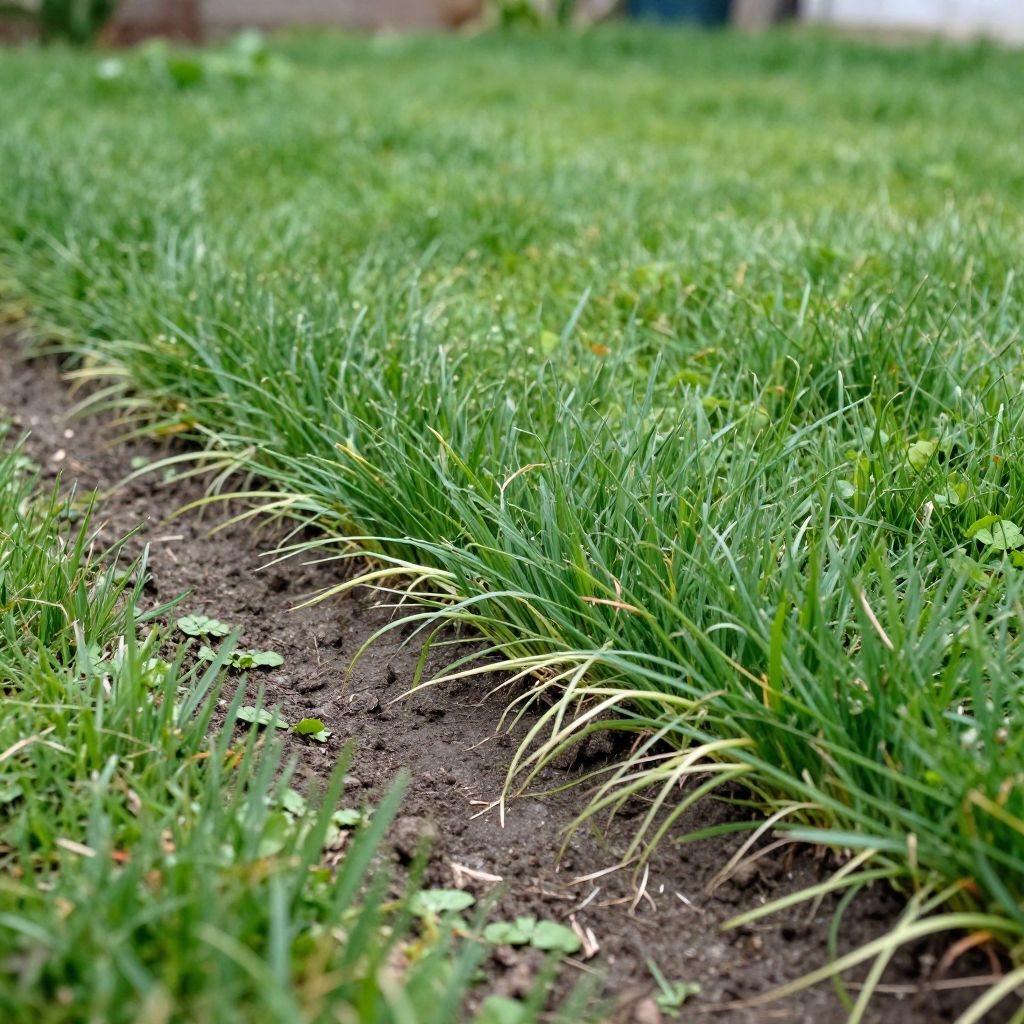
Does grass spread? In many cases, yes—but how it spreads depends on the type of grass you have. Some grasses creep outward with runners, while others form clumps and slowly widen over time. Knowing which kind you’re growing helps you manage a lawn, fill bare spots, or prevent unwanted spread.
If you understand the growth habit, you can choose the right mowing, watering, and repair strategy. That makes it easier to encourage thick turf where you want it and stop grass from invading beds, paths, or neighboring spaces.
Does grass spread?
Yes, many grasses spread naturally, but not all do it the same way. Lawn grasses usually spread by runners above or below the soil, or by slowly expanding clumps. Spreading grasses can fill in thin areas, while bunch-type grasses stay more contained unless you divide or overseed them.
How grass spreads
1. Stolons: above-ground runners
Some grasses spread with horizontal stems that creep across the soil surface. These are called stolons, and they root at the nodes where they touch soil.
This is why a patch of grass can seem to “walk” into nearby bare ground. Warm-season grasses such as Bermuda grass and St. Augustine grass are well known for this growth habit.
2. Rhizomes: underground runners
Other grasses spread through underground stems called rhizomes. These send up new shoots a short distance away from the parent plant.
Rhizomatous grasses can be excellent for repairing thin turf, but they can also become invasive in garden beds if not edged and contained.
3. Bunch or clump growth
Some grasses do not spread aggressively by runners. Instead, they grow in clumps that slowly get wider from the center.
These grasses can still thicken a lawn, but they usually need overseeding, division, or careful planting to fill gaps quickly.
Which grasses spread fastest?
Fast-spreading grasses are usually the ones with stolons, rhizomes, or both. In general, warm-season turf grasses spread more aggressively than many cool-season bunch grasses, especially in active growing weather.
- Bermuda grass spreads quickly by both stolons and rhizomes.
- St. Augustine grass spreads mainly by stolons.
- Zoysia grass spreads more slowly, but still creeps outward.
- Kentucky bluegrass spreads by rhizomes and can repair itself well.
- Tall fescue is mostly bunch-forming and spreads less aggressively.
- Perennial ryegrass is usually bunch-forming and fills in mainly by seeding.
Your local climate matters here. A grass that spreads well in warm, sunny conditions may slow down dramatically in shade, drought, compacted soil, or cool weather.
What makes grass spread better?
Sunlight
Most turf grasses spread best in the amount of light they prefer. If a grass needs full sun, it may thin out in shade and stop spreading effectively.
In low light, even aggressive grasses can become sparse, weak, and more prone to disease.
Water
Grass spreads best when it is growing steadily, not struggling through drought. Deep, infrequent watering usually supports stronger roots than frequent shallow watering.
Newly seeded or newly planted grass needs more consistent moisture until it is established. Mature turf can usually handle longer intervals between watering, depending on weather and soil type.
Soil quality
Healthy soil helps grass spread by supporting root growth and new shoots. Compacted soil, poor drainage, and low fertility can all slow expansion.
A simple soil test is often more useful than guesswork. It can tell you whether your lawn needs lime, compost, or a targeted nutrient adjustment.
Mowing height
Mowing too short stresses grass and reduces its ability to spread. Taller grass usually has more leaf area to make energy, which supports stronger growth.
As a rule, never remove more than one-third of the blade at a time. Scalping a lawn can weaken spreading grasses and invite weeds.
How to encourage grass to spread into bare spots
If you want grass to fill in thin areas, the goal is to create conditions that favor active growth. Start with the basics before adding more seed or sod.
- Rake out dead material so light and air can reach the soil.
- Loosen compacted soil lightly with a garden fork or core aerator if needed.
- Add a thin layer of compost to improve the surface and support rooting.
- Water to keep the top layer evenly moist until new growth is established.
- Mow at the correct height for your grass type so it can recover quickly.
- Overseed thin areas if your grass spreads slowly or the gap is too large to fill on its own.
For small patches, spreading grasses may creep in on their own during the growing season. For larger bare spots, overseeding or patching with sod is usually faster and more reliable.
How to stop grass from spreading where you don’t want it
Spreading grass can be a problem in flower beds, vegetable gardens, and along hard edges. The best control method depends on whether the grass spreads above ground, below ground, or both.
- Install a clean edge between lawn and beds using a spade, edging tool, or barrier.
- Pull runners promptly before they root and become harder to remove.
- Mulch garden beds deeply to block light and reduce creeping growth.
- Lift spreading shoots from cracks and borders regularly so they do not establish.
- Avoid overwatering beds near the lawn, since moist soil can encourage runners to root.
For stubborn rhizomes, simply cutting the top growth is not enough. You need to remove the underground stems or repeatedly weaken them over time.
Common problems that affect grass spread
Thin turf that won’t fill in
If grass is not spreading, the cause is often stress rather than the grass type itself. Common reasons include shade, compacted soil, poor drainage, low fertility, or repeated foot traffic.
Fix the growing conditions first. Adding more seed without correcting the problem usually gives only temporary results.
Weeds filling the gaps instead
When grass spreads slowly, weeds often move into open soil first. Bare spots are an invitation for crabgrass, clover, dandelions, and other opportunists.
The best defense is to keep the soil covered. Repair thin areas early, and maintain a mowing height and feeding routine that keeps turf dense.
Patchy growth in shade
Many grasses spread poorly in deep shade, especially under dense trees or along north-facing walls. Even shade-tolerant grasses need some light to stay vigorous.
If the area receives very little sun, consider pruning overhead branches, switching to a more shade-tolerant groundcover, or accepting a thinner lawn in that spot.
Diseases and pests
Fungal diseases, grubs, chinch bugs, and other pests can weaken grass enough to stop spreading. Damaged areas often look dry, thin, or irregular even when watering seems adequate.
Check the base of the grass and the soil surface before assuming the problem is lack of growth. Early identification makes control much easier.
When grass spread is helpful vs. when it is a problem
Helpful spread
Grass that spreads can be a major advantage in a lawn. It helps turf recover from wear, fills small gaps, and creates a denser surface that crowds out weeds.
Unwanted spread
That same trait becomes a nuisance when grass moves into beds, vegetable rows, gravel, or neighboring areas. Aggressive spreaders need regular edging and maintenance to stay where you want them.
If you are planning a new lawn, think about your long-term goals. A spreading grass may be ideal for repair and coverage, while a bunch-forming grass may be easier to keep tidy in smaller spaces.
Practical care tips for better grass growth
- Match the grass to the site rather than forcing a sun-loving grass into shade.
- Improve drainage if water sits on the surface after rain or irrigation.
- Aerate compacted lawns when roots are struggling to expand.
- Topdress lightly with compost to support healthier soil biology.
- Keep mower blades sharp so cuts are clean and the turf recovers faster.
- Water deeply but not constantly once the lawn is established.
These basics matter more than most quick fixes. A healthy lawn spreads better because it has the energy to produce new shoots and roots.
Conclusion
Does grass spread? Often yes, but the speed and method depend on the species and growing conditions. If you want faster fill-in, improve sunlight, soil, moisture, and mowing practices. If you want to contain it, edge regularly and remove runners before they root. For more lawn care guidance, you may also want to read about how to overseed a lawn and how to fix bare patches in grass.