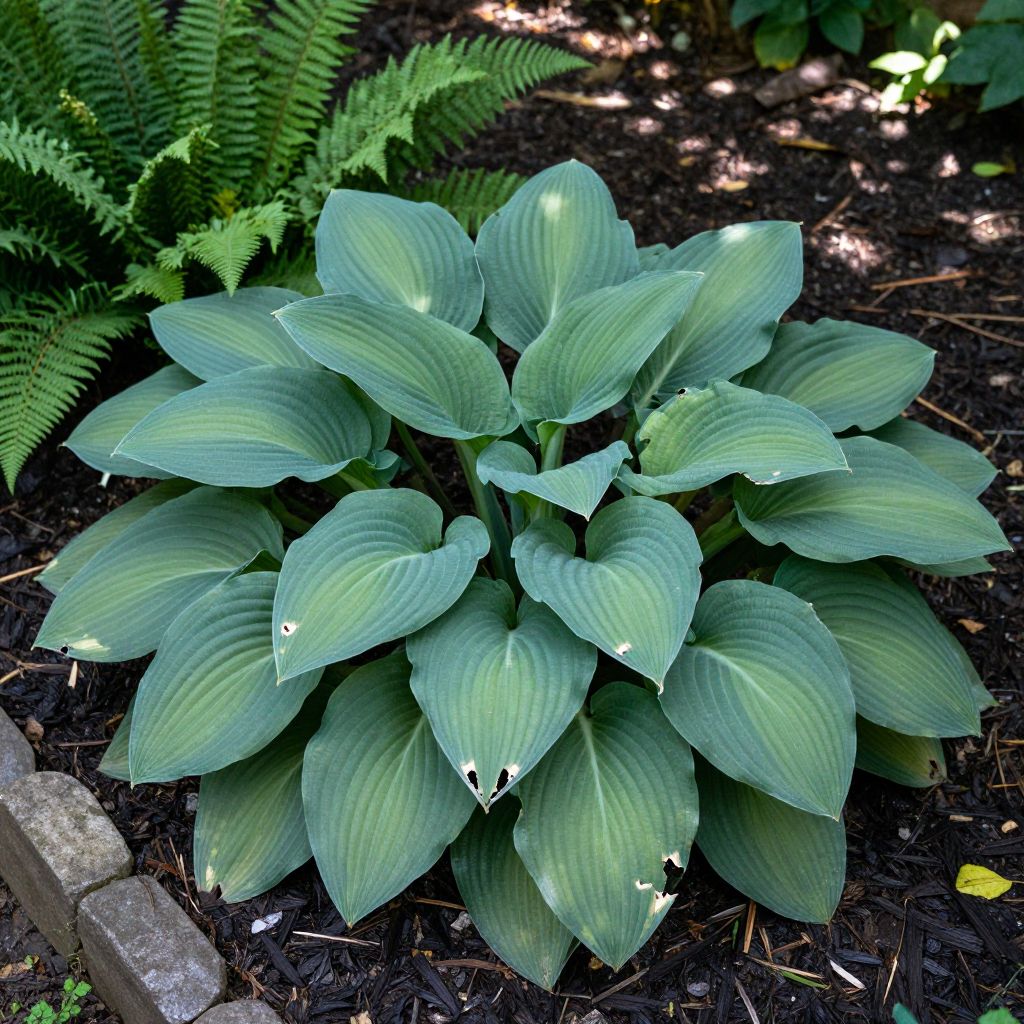
Are hostas deer resistant? If you garden where deer browse, this is one of the first questions worth asking before you plant a shady border. Hostas are beloved for their lush leaves, but they are also one of the plants deer often find especially appealing.
The short answer is no: hostas are not deer resistant. In many gardens, deer will eat them eagerly, especially tender new growth. You can still grow hostas successfully, but you may need to use protection, choose companion plants carefully, and accept that “deer resistant” is very different from “deer proof.”
Are Hostas Deer Resistant?
No—hostas are generally considered deer favorite plants, not deer resistant. Deer often browse hostas first because the leaves are soft, moisture-rich, and easy to eat, especially in spring when new shoots are emerging. In areas with heavy deer pressure, unprotected hostas may be damaged repeatedly or stripped in a single night.
Why Deer Love Hostas
Deer tend to prefer plants that are tender, palatable, and easy to digest. Hostas fit that description very well, especially when the foliage is young and lush.
What makes hostas attractive to deer
- Soft leaves that are easy to chew
- New spring growth that is especially tender
- Shady locations where deer often feel comfortable browsing
- Moist, lush foliage that stays appealing through the season
Some gardeners notice that deer seem to ignore certain hostas for a while, then return later when other food is scarce. That is why no hosta should be treated as reliably deer resistant.
Can Any Hostas Be Considered Deer Resistant?
Some hostas may be less attractive to deer than others, but none are truly deer proof. Thick-leaved, heavily textured, or more mature plants may be browsed less often in some gardens, yet hungry deer can still eat them. Local deer pressure matters more than any general label.
If you live in an area with only occasional deer visits, you may get away with growing hostas with minimal damage. If deer are common, even “less preferred” hostas may need protection.
What affects deer browsing the most
- How many deer live nearby
- What other food is available
- Season and weather conditions
- Whether the garden is fenced or exposed
- How established and vigorous the hostas are
How to Grow Hostas When Deer Are a Problem
Hostas can still be part of a beautiful shade garden if you plan for deer pressure from the start. The most reliable strategy is to combine good hosta care with physical protection and smart plant placement.
Choose the right site
Hostas grow best in partial shade to shade, with rich, evenly moist soil and good drainage. They tolerate some morning sun, but too much hot afternoon sun can scorch leaves and stress the plant, making recovery from deer damage even harder.
- Plant in soil that holds moisture but does not stay soggy.
- Work in compost to improve texture and fertility.
- Avoid low spots where water collects after rain.
- Give plants enough space for air movement to reduce disease.
Water wisely
Healthy hostas recover better from browsing than stressed ones. Water deeply during dry spells so moisture reaches the root zone, but avoid constantly wet soil. A layer of mulch helps conserve moisture and keeps roots cooler, especially in warm weather.
Tip: Water at the base of the plant rather than overhead when possible. This helps reduce leaf spotting and fungal issues.
Feed lightly and keep plants vigorous
Hostas usually do well with compost or a balanced garden fertilizer applied according to your soil and local conditions. Avoid overfeeding with nitrogen, which can produce extra-soft growth that may be even more tempting to deer.
Best Deer Protection Methods for Hostas
If deer are active in your yard, protection is usually more effective than trying to find a “safe” hosta variety. The best method depends on how severe the browsing is and how much time you want to spend maintaining defenses.
1. Use physical barriers
Fencing is the most dependable solution. A tall fence is often the best long-term answer if deer pressure is heavy.
- Garden fencing: Useful for beds or entire yards
- Individual plant cages: Good for a few prized hostas
- Netting or temporary covers: Helpful for newly planted hostas
For smaller plantings, a low decorative fence may slow deer, but it will not always stop them. Deer can jump surprisingly high when motivated.
2. Try repellents
Deer repellents can help, especially when used early and reapplied as directed on the product label. They work best as part of a rotation or combined with fencing, not as a stand-alone fix in high-pressure areas.
- Apply before deer start feeding heavily.
- Reapply after rain if the product requires it.
- Cover new growth thoroughly, since that is often the first part deer eat.
- Rotate products if deer become accustomed to one scent or taste.
Important: Repellents are usually most useful when deer are browsing lightly to moderately. In severe pressure, they may reduce damage but not eliminate it.
3. Use companion planting strategically
Some gardeners plant strongly scented or less palatable plants around hostas to make the bed less attractive overall. This can help a little, but it is not a guarantee. Deer may still step through a mixed border to reach hostas.
Companion planting works best when paired with fencing or repellents. It is a support strategy, not a complete defense.
What to Do If Deer Have Already Eaten Your Hostas
Don’t panic if deer have stripped the leaves. Hostas are tough perennials, and established plants often regrow if the crown and roots are intact. The key is to avoid adding more stress while the plant recovers.
Recovery steps
- Remove only badly torn or rotting leaf material.
- Keep the soil evenly moist, especially during dry weather.
- Mulch lightly to protect roots and conserve moisture.
- Protect new growth immediately with fencing or repellents.
- Wait to divide or transplant until the plant is actively growing and stable.
If a hosta is repeatedly eaten down to the crown, it may survive but weaken over time. Repeated defoliation can reduce flowering, slow growth, and make the plant more vulnerable to pests and disease.
Common Mistakes Gardeners Make With Hostas and Deer
Many problems happen because gardeners assume hostas are “safe” once established. In reality, deer pressure can change quickly, and a healthy-looking hosta can disappear overnight.
- Planting hostas without protection in a deer-heavy area
- Using repellents only after damage begins
- Relying on one product or one method alone
- Overwatering, which can encourage weak growth and disease
- Planting in too much sun, which stresses the foliage
- Ignoring repeated browsing until the plant is severely weakened
Hosta Care Tips That Help Plants Bounce Back
Good care will not make hostas deer resistant, but it can help them recover faster and stay attractive between browsing events. Focus on steady growth rather than pushing for fast, tender foliage.
Keep the soil healthy
Hostas prefer fertile soil with plenty of organic matter. Compost improves moisture retention and supports root growth, while mulch helps keep soil temperatures even. Just keep mulch a few inches away from the crown to reduce rot.
Watch for pests and disease
Damaged leaves can make it easier to spot slug feeding, fungal spots, or crown problems. Remove badly damaged foliage if it starts to decay, and keep the area tidy so pests have fewer hiding places.
Divide with care
Established hostas can be divided to rejuvenate crowded clumps, but it is best to do this when the plant is healthy and not already stressed by deer. In many climates, division is easiest during cooler weather or when growth is active but not extreme.
When Hostas May Still Be Worth Growing
Even though hostas are not deer resistant, they can still be a good choice if you love their foliage and are willing to protect them. They are excellent for shaded borders, foundation plantings, woodland gardens, and mixed beds where texture matters.
They are most rewarding when you can provide the right site and a realistic defense plan. If deer are constant visitors and you do not want to fence or spray, you may want to choose more deer-resistant shade plants instead.
Conclusion: Should You Plant Hostas If Deer Visit Your Garden?
Yes, but only if you go in with the right expectations. Hostas are beautiful and useful shade perennials, yet they are not deer resistant. If you want to grow them successfully, pair good hosta care with fencing, repellents, or other protection from the start.
For more ideas on managing wildlife pressure in the garden, you may also find this helpful: what to feed deer.