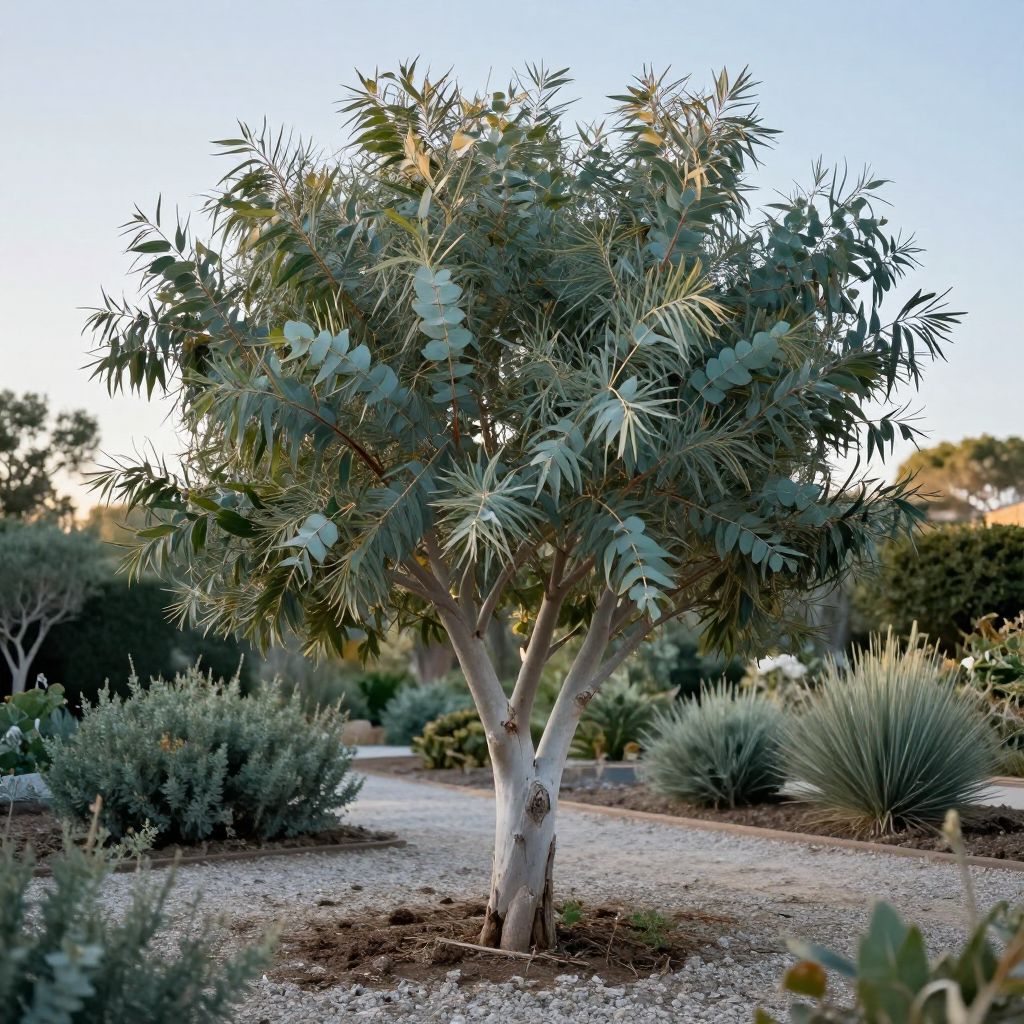
Where does eucalyptus grow best, and can you grow it in your own garden? The short answer is that eucalyptus thrives in warm, sunny climates with well-drained soil, and it struggles where winters are cold, wet, or poorly drained. Many species are fast-growing trees from Australia, but a few can be grown as shrubs or container plants in milder regions.
If you match the plant to the climate and give it room, eucalyptus can be a striking landscape tree with fragrant foliage. The key is understanding that where eucalyptus grows naturally is not the same as where it can be grown successfully in a home garden.
Where does eucalyptus grow?
Eucalyptus grows naturally in Australia and nearby regions, especially in open forests, woodlands, and dry to moderately moist areas with lots of sun and free-draining soil. In gardens, it grows best in mild, frost-free or lightly frosted climates, usually outdoors in warm regions and in containers or protected sites where winters are colder.
What kind of climate does eucalyptus need?
Most eucalyptus species prefer full sun, warm temperatures, and low to moderate humidity. They do not like soggy soil, prolonged cold, or heavy shade. The exact tolerance depends on the species, so always check the plant tag or nursery label before buying.
Best climate conditions
- Sunlight: At least 6 to 8 hours of direct sun daily.
- Temperature: Mild winters and warm growing seasons suit most species.
- Rainfall: Tolerant of drought once established, but not of waterlogged roots.
- Air circulation: Good airflow helps reduce fungal issues.
If you live in a region with hard freezes, eucalyptus may still be possible in a pot, greenhouse, or as a temporary summer plant, but many varieties will not survive long-term outdoors.
Best locations for growing eucalyptus in the garden
Choose a site that mimics the plant’s natural preference for open, sunny, well-drained conditions. The best locations are usually on slopes, raised beds, sandy or loamy ground, or areas where water drains quickly after rain.
Ideal planting spots
- Open borders with full sun
- Dry or average garden soil that drains well
- Raised beds or mounded planting areas
- Large containers for smaller species or young plants
- Sheltered positions in colder climates, away from harsh winds
Avoid low spots where water collects after storms. Eucalyptus roots can suffer in wet soil, especially in winter.
What soil does eucalyptus prefer?
Eucalyptus grows best in soil that drains freely. It can handle a range of soil types, but it dislikes compacted clay that stays wet. A slightly acidic to neutral soil is usually fine, though the most important factor is drainage rather than exact pH.
How to improve poor soil
- Test how quickly water drains after rain or irrigation.
- If water lingers, choose a raised bed or mound instead of planting directly into the wet area.
- Work in compost only if the soil is very poor, but do not overdo it in already fertile ground.
- Break up compacted soil before planting so roots can establish.
Do not plant eucalyptus into heavy, soggy clay without improving drainage first. That is one of the most common reasons young plants fail.
How much water does eucalyptus need?
New eucalyptus plants need regular watering while they establish roots, but mature plants are often drought tolerant. The goal is deep, occasional watering rather than frequent shallow watering, especially in warm weather.
Watering tips by plant stage
- Newly planted trees: Water deeply when the top layer of soil begins to dry, especially during the first growing season.
- Established plants: Water during extended dry spells, but let the soil dry slightly between waterings.
- Container plants: Check more often, since pots dry out faster than garden soil.
Overwatering is a bigger problem than underwatering in many gardens. Yellowing leaves, weak growth, and soft stems can point to roots that are staying too wet.
Can eucalyptus grow in cold climates?
Some eucalyptus species tolerate light frost, but many are damaged by freezing temperatures. If you garden in a colder region, your options are limited to hardier species, protected microclimates, or container growing that lets you move the plant indoors or under cover.
Ways to grow eucalyptus where winters are cold
- Grow it in a large pot and move it to shelter before hard frost.
- Use a greenhouse, conservatory, or bright indoor space for winter protection.
- Plant it near a warm wall in a sheltered microclimate if your winters are only mildly cold.
- Choose a species known to be more cold tolerant rather than assuming all eucalyptus are alike.
Even in milder climates, young plants are more vulnerable than mature ones. Protect them from cold winds and sudden temperature drops.
How fast does eucalyptus grow?
Many eucalyptus species grow quickly when conditions are right, which is one reason they are popular in landscapes. Fast growth can be useful, but it also means the plant may outgrow a small space sooner than expected.
Before planting, think about the mature size of the species you choose. A tree that looks manageable in a nursery pot may become very large in a few years.
Planning for size
- Check the expected height and spread of the species.
- Give trees enough room away from buildings, fences, and overhead lines.
- Use pruning carefully if you want to keep a smaller shape.
Do not assume eucalyptus will stay small without regular maintenance. Some species become substantial trees and need space to spread.
Pruning and maintenance
Pruning helps shape young eucalyptus plants and remove damaged growth, but it should be done thoughtfully. Heavy pruning can stress the plant, especially if it is already struggling with poor drainage or cold damage.
Simple pruning approach
- Remove dead, broken, or crossing branches first.
- Lightly shape young plants to encourage a strong framework.
- Avoid removing too much foliage at once.
- Use clean, sharp tools to make smooth cuts.
If you are growing eucalyptus for foliage, regular light pruning can encourage fresh shoots. If you are growing it as a tree, keep pruning minimal and focused on structure and safety.
Common pests and problems
Eucalyptus is often fairly tough, but it can still run into trouble, especially when stressed by poor site conditions. The best prevention is to grow it in the right place from the start.
Problems to watch for
- Root rot: Usually caused by wet soil or poor drainage.
- Leaf drop: Can happen after transplanting, drought stress, or cold exposure.
- Stunted growth: Often linked to low light, compacted soil, or root problems.
- Pests: Aphids, scale, and other sap-feeding insects may appear on stressed plants.
If leaves are curling, yellowing, or dropping unexpectedly, check the roots, drainage, and recent weather before assuming the plant needs more fertilizer.
How to plant eucalyptus successfully
Planting in the right location matters more than feeding or frequent care. A good planting site gives eucalyptus the drainage, light, and space it needs to settle in quickly.
Step-by-step planting guide
- Choose a sunny spot with well-drained soil.
- Dig a hole as deep as the root ball and slightly wider.
- Set the plant at the same level it was growing in the pot.
- Backfill gently and water to settle the soil.
- Mulch lightly, keeping mulch away from the trunk.
- Water regularly during establishment, but do not keep the soil soggy.
For container planting, use a large pot with drainage holes and a free-draining potting mix. Repot as needed before roots become tightly packed.
Propagation: can you grow more eucalyptus?
Eucalyptus is commonly propagated from seed, and some gardeners also propagate selected types from cuttings. Seed-grown plants are often the easiest option for home gardeners, though growth rate and form can vary.
Seed starting basics
- Use a clean seed-starting mix with good drainage.
- Keep the medium lightly moist, not wet.
- Provide warmth and bright light.
- Transplant carefully once seedlings are large enough to handle.
Because young seedlings are delicate, avoid overwatering and give them strong light early so they do not become weak and leggy.
Best uses in the landscape
Eucalyptus can be used as a specimen tree, screen, windbreak, or foliage plant, depending on the species and your climate. Its aromatic leaves and attractive bark make it a strong visual feature in the garden.
Because some species grow large and fast, place them where they can develop without crowding other plants. In smaller gardens, choose a compact type or keep eucalyptus in a container.
Quick checklist before you plant
- Is your climate warm enough for the species you want?
- Does the site get full sun?
- Does the soil drain well after rain?
- Will the plant have enough room to mature?
- Can you protect it from winter cold if needed?
If you can answer yes to most of those questions, you are much more likely to succeed.
Conclusion
So, where does eucalyptus grow best? In warm, sunny places with fast-draining soil and enough room to mature. If your garden is colder or wetter, choose a more protected site, a container, or a hardier species that suits your local conditions. Start by checking drainage and winter temperatures before you buy.
For more practical plant-selection guidance, you may also find it helpful to read about how to choose the right plant for your garden and container gardening basics.