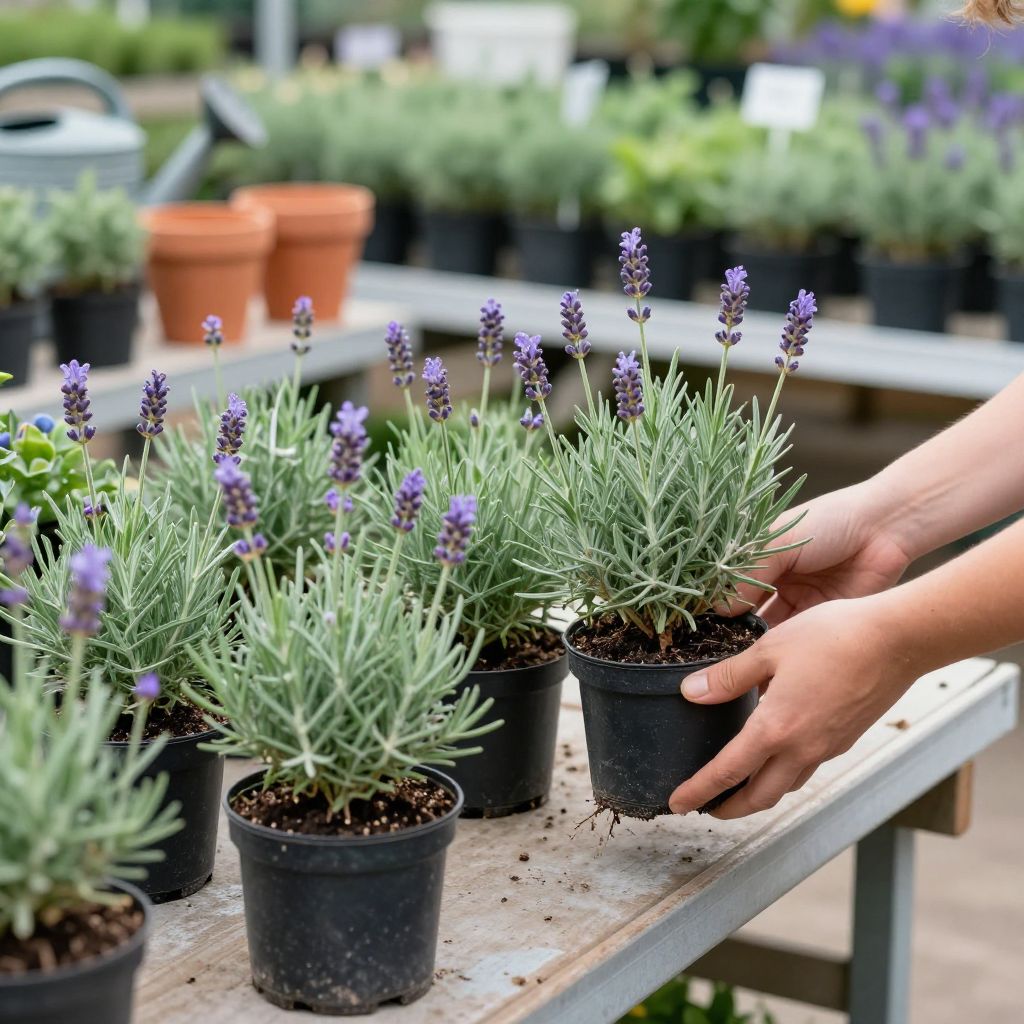
Looking for where to buy lavender plants near me? The best place depends on your climate, the size of plant you want, and whether you need a common English lavender or a heat-tolerant type for warmer regions.
You can often find healthy lavender at local garden centers, independent nurseries, farmers’ markets, and seasonal plant sales. The key is choosing a plant with sturdy stems, silvery-green foliage, and a pot that drains well, then giving it full sun and sharply drained soil once you get it home.
Where to buy lavender plants near me?
Start with independent nurseries and reputable garden centers, because they usually carry plants suited to your local weather and can tell you which lavender types perform best in your area. Farmers’ markets, plant sales, and landscape suppliers can also be excellent sources, especially for larger plants or regionally adapted varieties.
Best local places to find lavender plants
Independent garden centers and nurseries
This is often the best first stop. Staff at smaller nurseries are more likely to know which lavender varieties handle your local humidity, winter cold, or summer heat.
Look for plants labeled with the botanical name, such as Lavandula angustifolia or Lavandula x intermedia, rather than only a generic “lavender.”
Big-box garden departments
These stores can be convenient and affordable, especially in spring. Selection may be limited, but you may still find good starter plants if you inspect them carefully.
Choose compact, upright plants with no yellowing leaves, no mushy stems, and no signs of root rot around the pot drainage holes.
Farmers’ markets and local plant sales
Local growers often sell lavender that has already been raised in your climate, which can improve your chances of success. These plants may also be less stressed than stock shipped long distances.
Ask how the plant was grown, whether it has been hardened off, and if the seller knows the mature size of the variety.
Landscape and specialty herb nurseries
If you want a larger plant, a specific cultivar, or a hedge planting, specialty nurseries may have better options than general retailers. They may also offer cultivars selected for fragrance, compact growth, or better heat tolerance.
Online nurseries with local pickup or shipping
If you cannot find lavender nearby, reputable online nurseries can be a good backup. Choose sellers that ship live plants with clear variety names and growing information.
When ordering online, check shipping timing, plant size, and return policies. Avoid buying from listings that do not clearly state the species or growing requirements.
How to choose a healthy lavender plant
A good lavender plant should look dry on the surface but not wilted, with firm stems and no soft blackened sections. The foliage should be gray-green or silver-green, depending on the type, and the plant should feel balanced rather than floppy.
- Check the pot for drainage holes and avoid plants sitting in standing water.
- Look at the base of the stems for rot, mold, or collapsed growth.
- Inspect leaves for pests, spotting, or excessive yellowing.
- Gently slide the plant from its pot if possible; roots should be white or tan, not brown and mushy.
- Choose smaller plants if they are evenly branched and healthy; they often establish faster than overgrown, rootbound specimens.
Which lavender type should you buy?
The right lavender depends on your climate and what you want from the plant. Some types are better for fragrance and cold tolerance, while others handle heat or humidity more reliably.
Common types you may see
- English lavender (Lavandula angustifolia) — often the best choice for cooler climates and classic fragrance.
- Lavandin (Lavandula x intermedia) — usually larger, vigorous, and useful for hedges; often more heat-tolerant than English lavender.
- Spanish lavender (Lavandula stoechas) — distinctive flower heads and often better suited to mild-winter climates.
If you are unsure, ask the nursery which type grows best in your region. That simple question can save you from buying a plant that struggles in your local soil or weather.
What lavender needs after you bring it home
Lavender is not difficult once it is planted in the right spot, but it dislikes heavy, wet conditions. The most important factors are full sun, excellent drainage, and lean soil rather than rich, constantly moist ground.
Sunlight
Give lavender at least 6 to 8 hours of direct sun daily. In hotter regions, morning sun with a little afternoon relief can help reduce stress, especially for newly planted specimens.
Soil and drainage
Lavender prefers soil that drains quickly. If your soil stays wet after rain, plant in raised beds, mounds, or containers with drainage holes.
Avoid heavy compost-rich planting holes that create a “bathtub” effect. Lavender often fails in soil that is too fertile or too moisture-retentive.
Watering
Water new plants deeply after planting, then let the soil dry somewhat before watering again. Once established, lavender usually needs less water than many garden plants, but young plants should not be allowed to dry out completely during establishment.
In containers, check moisture more often because pots dry faster than in-ground beds. Always empty saucers so roots do not sit in water.
How to plant lavender successfully
- Choose a sunny location with fast-draining soil.
- Dig a hole only as deep as the root ball and slightly wider.
- Set the plant so the top of the root ball sits level with the surrounding soil.
- Backfill with native soil if it drains well; avoid over-amending with rich compost.
- Water thoroughly once, then mulch lightly with gravel or a thin layer of coarse material if needed.
- Keep mulch away from the crown so stems do not stay damp.
If you are planting several lavenders, space them according to their mature width so air can move between plants. Good airflow helps reduce fungal problems.
Growing lavender in pots
Containers are a smart option if your yard has heavy clay soil or poor drainage. They also make it easier to move plants into a brighter or drier spot if needed.
- Use a pot with drainage holes.
- Choose a gritty, fast-draining potting mix rather than a moisture-holding mix.
- Do not use an oversized pot right away; too much wet soil can slow root growth.
- Place containers in full sun.
Container-grown lavender usually needs more frequent watering than in-ground plants, but the soil should still dry slightly between waterings. If the plant looks limp and the potting mix is wet, the problem may be poor drainage rather than lack of water.
Pruning and maintenance
Lavender stays healthier and more compact with regular light pruning. The goal is to prevent woody, open growth, not to cut hard into old bare stems.
When to prune
Light pruning after flowering is common, but timing depends on your climate and the plant’s condition. Remove spent flower stems and trim back soft growth, leaving some leafy growth on each stem.
What to avoid
- Do not cut deeply into old bare wood unless you are removing dead stems.
- Do not shear too late in the season in cold climates, or tender new growth may be damaged by frost.
- Do not overfeed; too much fertilizer can produce weak, leafy growth with fewer flowers.
Common lavender problems and fixes
Yellowing leaves or wilting
This often points to too much water or poor drainage. Check the soil first, not just the foliage. If the root zone stays wet, improve drainage or move the plant.
Few flowers
Lavender may bloom poorly in shade, rich soil, or if it has been pruned too hard. More sun and lighter feeding usually help.
Winter dieback
In colder areas, lavender can suffer from wet winter soil as much as from low temperatures. Drainage and site selection matter more than protection alone.
Pests and diseases
Lavender is usually trouble-free, but crowded, damp plants can develop fungal issues. Good spacing, airflow, and careful watering are the best prevention.
Can you propagate lavender later?
Yes. Once you have a healthy plant, you can often propagate lavender from softwood or semi-ripe cuttings, depending on the season and plant type. This is a useful way to replace older plants or expand a border without buying more stock.
Propagation is easiest from vigorous, healthy stems. Avoid taking cuttings from stressed or diseased plants.
Smart buying tips before you leave the store
- Ask whether the lavender is suited to your USDA zone or local climate conditions.
- Confirm the mature size so you can space it properly.
- Check whether the plant has been grown outdoors or in a greenhouse.
- Choose plants with more stems than flowers if you want strong establishment.
- Buy one healthy plant first if you are unsure, then expand after you see how it performs.
Conclusion
If you are wondering where to buy lavender plants near me, begin with a local nursery or garden center, then compare plant health, variety, and drainage needs before you buy. Once home, give lavender full sun, lean soil, and excellent drainage for the best chance of long-term success. If you want to keep learning, read more about container gardening basics and herb garden care tips.