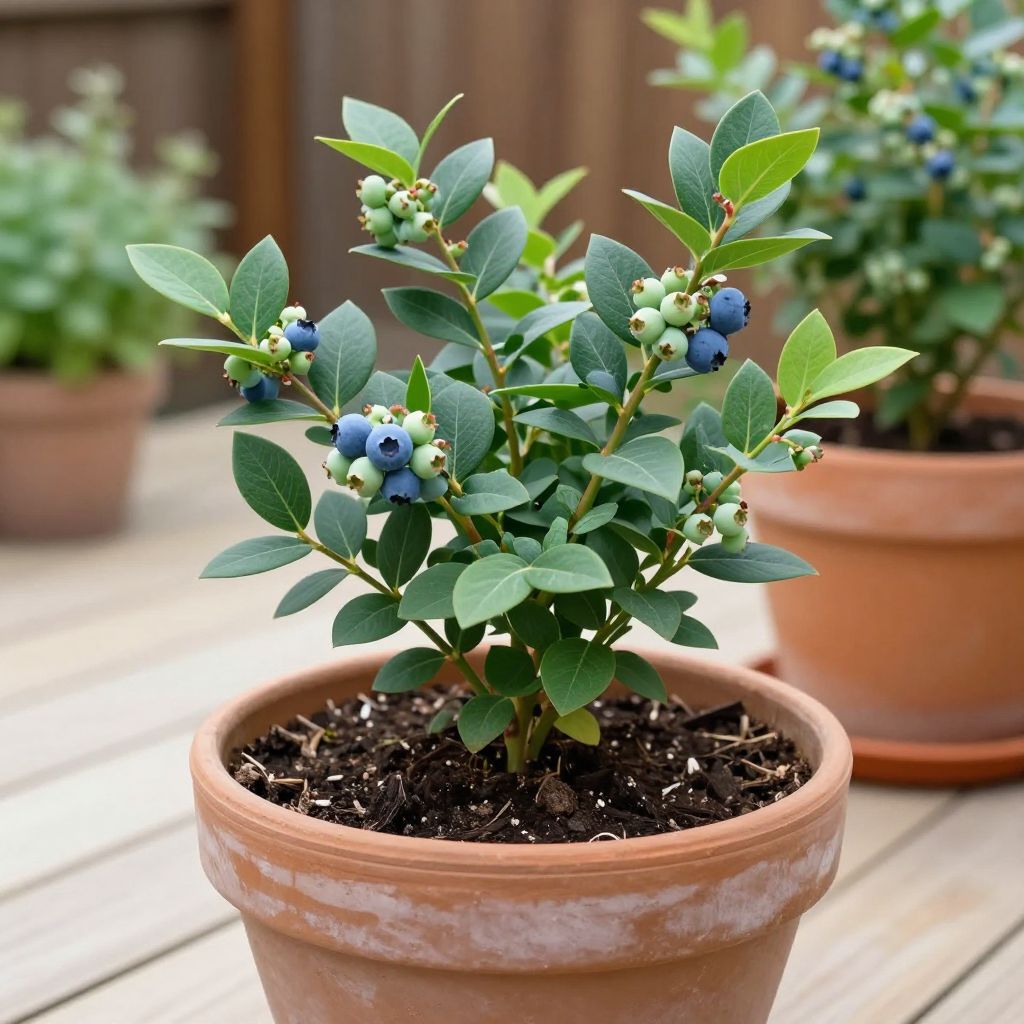
Can you grow blueberries in a pot? Yes—you can, and container growing is often one of the best ways to do it well. Blueberries have specific soil and moisture needs, so a pot lets you control acidity, drainage, and root space much more easily than many garden beds.
With the right container, acidic potting mix, and steady care, potted blueberries can produce healthy growth and good harvests. The key is to match the plant’s needs: plenty of sun, consistently moist but not soggy soil, and a pot that is large enough for long-term root development.
Can you grow blueberries in a pot?
Yes, blueberries grow very well in pots if you use an acidic, well-draining potting mix, a large container, and full sun. Container growing is especially useful if your native soil is alkaline, heavy clay, or poorly drained. The main challenge is keeping moisture and pH stable enough for the plant to thrive.
Why blueberries are a good container crop
Blueberries are shallow-rooted shrubs, which makes them well suited to containers. A pot gives you control over the soil pH, which is critical because blueberries need acidic conditions to absorb nutrients properly.
Container growing also makes it easier to move plants for better light, protect them from harsh weather, or place them where you can water them regularly. That said, potted blueberries dry out faster than in-ground plants, so they need closer attention.
Best reasons to grow blueberries in pots
- Your garden soil is too alkaline.
- You have limited space, such as a patio, balcony, or small yard.
- You want better drainage control.
- You need a portable plant for seasonal protection.
- You want to grow more than one variety in a compact area.
Choosing the right pot
Start with a container that is wide and deep enough for root growth. Blueberries do not like cramped roots, and a pot that is too small dries out too quickly.
A good rule is to begin with a container at least 18 to 24 inches wide and deep for a young plant, then move up as the shrub matures. Larger pots are usually better than smaller ones because they buffer moisture and temperature swings.
What to look for in a container
- Drainage holes: Essential. Blueberries dislike standing water.
- Material: Plastic, resin, wood, and glazed ceramic can all work if drainage is good.
- Stability: Choose a pot that will not tip as the shrub grows.
- Insulation: In hot climates, lighter-colored or thicker pots help protect roots from heat.
If you live in a cold climate, the pot itself matters even more. Roots in containers are more exposed to freezing temperatures than roots in the ground, so a sturdy container and some winter protection can help.
Soil and pH: the most important part
Blueberries need acidic soil, usually around pH 4.5 to 5.5. If the mix is too alkaline, the plant may look pale, grow slowly, or struggle to fruit even if it seems otherwise healthy.
Use an acidic potting mix made for acid-loving plants, or blend a quality potting mix with materials that help maintain acidity. Avoid garden soil in pots, because it compacts too easily and often drains poorly.
Good potting mix ingredients
- Acid-formulated potting mix
- Pine bark fines
- Sphagnum peat moss, if needed for acidity and moisture retention
- Perlite for added drainage
Do not use compost-heavy mixes as the main growing medium. A little compost can be helpful, but too much can make the mix overly rich, dense, or less acidic than blueberries prefer.
How to check and maintain pH
- Test the potting mix before planting if possible.
- Recheck pH periodically, especially if leaves yellow or growth slows.
- If your water is alkaline, it can gradually raise the pH over time.
If you are unsure about your water quality, rainfall is usually gentler on blueberries than hard tap water. In areas with very alkaline water, the potting mix may need more frequent pH monitoring.
Planting blueberries in a pot
Plant blueberries at the same depth they were growing in their nursery container. Do not bury the crown too deeply, and do not pack the mix tightly around the roots.
After planting, water thoroughly until excess moisture drains from the bottom. This helps settle the mix around the roots and removes air pockets.
Step-by-step planting guide
- Choose a pot with drainage holes.
- Add a layer of acidic potting mix to the bottom.
- Remove the blueberry from its nursery pot and loosen circling roots gently.
- Set the plant so the top of the root ball sits level with the soil surface.
- Fill in around the roots with potting mix.
- Water deeply until liquid drains out.
- Top with a light mulch layer, keeping it away from the stem.
If you are planting more than one blueberry in separate containers, choose varieties that suit your climate and pollination needs. Some blueberries fruit better with a second compatible variety nearby, though self-fertile types can still produce on their own.
Sunlight and placement
Blueberries need full sun for best flowering and fruiting. Aim for at least 6 to 8 hours of direct light each day, though more sun often improves berry quality.
In very hot climates, afternoon shade can help reduce stress, especially for young plants in dark pots. On balconies or patios, rotate containers if one side gets much more light than the other.
Best placement tips
- Put the pot where it gets strong morning sun.
- Protect it from drying winds if possible.
- Keep containers off hot concrete in extreme heat when you can.
- Make sure the site is easy to water regularly.
Watering container blueberries
Blueberries in pots need consistent moisture, but the roots should never sit in water. Container plants dry out faster than in-ground shrubs, especially in warm or windy weather.
Check the soil with your finger. Water when the top inch or so feels dry, but before the root ball dries out completely. In hot weather, that may mean watering more often; in cool or cloudy periods, less often.
Watering mistakes to avoid
- Letting the pot dry out repeatedly
- Overwatering into soggy conditions
- Using a container without drainage holes
- Allowing the pot to sit in a saucer full of water
Mulching the surface with pine bark or pine needles can help slow evaporation and keep roots cooler. Keep mulch a little away from the main stem to reduce rot risk.
Feeding blueberries in pots
Blueberries are not heavy feeders, but they do need the right nutrients. Use a fertilizer made for acid-loving plants, or one specifically labeled for blueberries, azaleas, or rhododendrons.
Feed lightly and follow the product label carefully, because container plants can be damaged by overfertilizing more easily than garden plants. Too much nitrogen can create leafy growth at the expense of flowers and fruit.
Signs your plant may need attention
- Pale or yellowing leaves with green veins
- Weak growth
- Small leaves or poor flowering
- Reduced berry set
These symptoms can come from several causes, including pH problems, poor drainage, or nutrient imbalance. Before adding more fertilizer, check the soil moisture and pH first.
Pruning and training potted blueberries
Pruning helps keep container blueberries productive and manageable. Young plants usually need only light shaping, while older shrubs benefit from removing weak, dead, or crowded stems.
For the first year or two, focus on establishing a strong root system. If the plant sets fruit very early, you may choose to remove some blossoms so it puts more energy into growth.
Basic pruning approach
- Remove dead, damaged, or crossing stems.
- Thin out weak growth near the base.
- Cut out a few of the oldest canes on mature plants to encourage new growth.
- Keep the center open for light and airflow.
Use clean, sharp pruners to make neat cuts. Good airflow helps reduce disease pressure and makes harvesting easier.
Common problems with potted blueberries
Most container blueberry problems come from water, pH, or root stress. If the plant looks unhappy, start by checking those basics before assuming pests or disease.
Yellow leaves
Yellowing leaves often point to alkaline soil, poor nutrient uptake, or overwatering. Blueberries can look chlorotic when the pH is too high, even if fertilizer is present.
Poor fruiting
Insufficient sun, lack of pollination, pruning at the wrong time, or a stressed root system can all reduce harvests. Some varieties also need a compatible pollinator nearby for best yields.
Wilting despite wet soil
This usually suggests poor drainage or root problems. If the pot stays soggy, roots cannot get enough oxygen and may begin to decline.
Leaf scorch or dry edges
Hot sun, wind, or inconsistent watering can cause leaf edges to brown. Move the pot if needed and water more evenly.
Pests and diseases to watch for
Container blueberries can still attract common pests such as aphids, scale, spider mites, and birds. Regular inspection makes it easier to catch problems early.
Diseases are less likely when the plant has good airflow and drainage, but root rot can occur if the pot stays waterlogged. Fungal leaf issues may also appear in humid conditions or when foliage stays wet for long periods.
Practical prevention tips
- Inspect leaves and stems regularly.
- Keep the potting mix well drained.
- Water at the base rather than overhead when possible.
- Remove fallen leaves and debris from the pot surface.
- Use bird netting if birds beat you to the fruit.
Overwintering and seasonal care
In colder regions, potted blueberries need more winter protection than in-ground shrubs because roots are exposed to freezing temperatures from all sides. In milder climates, they may need only basic protection from drying winds and occasional cold snaps.
Move pots to a sheltered location if severe cold is expected, or insulate the container with mulch, burlap, or by placing it against a protected wall. Keep the soil slightly moist, not dry, through winter dormancy.
Seasonal reminders
- Spring: check pH, refresh mulch, and watch for new growth.
- Summer: water consistently and protect from heat stress.
- Fall: reduce feeding and prepare for dormancy.
- Winter: protect the roots and avoid letting the pot dry out completely.
Harvesting blueberries from a pot
Blueberries are ready to harvest when they are fully blue and come off the stem easily. Taste is usually better if you wait a few days after the berries first turn blue, because color can appear before full ripeness.
Pick gently and often. Regular harvesting encourages you to catch ripe berries at the right time and reduces losses to birds and overripe fruit.
Can you keep blueberries in pots long term?
Yes, but long-term success depends on repotting, pruning, and ongoing soil care. Over time, the potting mix breaks down and roots fill the container, so the plant may need a larger pot or a refresh of the growing medium.
Watch for signs that the plant is becoming rootbound, such as slowed growth, quick drying, or reduced fruiting. When needed, move it into a larger container or carefully refresh part of the mix while disturbing the roots as little as possible.
Final tips for success
If you want to grow blueberries in a pot successfully, focus on the basics: acidic soil, strong sun, steady moisture, and a roomy container with excellent drainage. Those four factors do most of the work.
Start with one healthy plant, monitor the soil closely, and adjust care to your local weather rather than following a fixed schedule. If you want to keep learning, a good next step is reading more about how to grow berries in containers and acidic soil care for garden plants.